REVIEW · BUDAPEST
Budapest classic tour
Book on Viator →Operated by Mi Budapest · Bookable on Viator
Budapest’s biggest hits, stitched into one tour. In 3–4 hours, you’ll move from Heroes’ Square to Buda Castle and up to Gellért Hill, and you’ll get the context that makes the sights click. I also like how tight the route is, with smart stops and a quick bus hop instead of endless transit. Add a guide like Claudia Pavone and the whole loop feels organized, not rushed.
You’ll start on Pest’s side with the big national symbols, then work your way through landmarks you’d otherwise piece together across multiple trips. Expect a classic mix: a thermal-bath exterior look, a stop at St. Stephen’s Basilica, and Buda Castle views that actually earn the climb. Along the way, you can often use public transport as part of the flow, instead of relying on private car transport.
One thing to watch: several interiors and viewpoints are listed as not included (like St. Stephen’s Basilica, Matthias Church, and Fisherman’s Bastion). Also, the timing at each main stop is brief, so if you want long sits, you may feel a bit on-the-go.
In This Review
- Key things you’ll notice on this Budapest Classic loop
- Budapest in 3–4 hours: how this classic loop really plays
- Heroes’ Square and Vajdahunyad Castle: starting with national identity
- Széchenyi Thermal Baths and Andrássy Avenue: the grand-boulevard pause
- St. Stephen’s Basilica: the church stop with real gravity
- Matthias Church and Fisherman’s Bastion: Buda’s story in stone
- Buda Castle courtyards and the Castle Gardens Bazaar: where time feels different
- Gellért Hill and Citadella: the best-view payback
- Finishing at Central Market Hall (or your hotel): don’t let the last hour drift
- Price and value for small groups up to 15
- What to expect on your feet (and how to plan your day)
- Who this tour fits best
- The guide factor: what people consistently value
- Should you book this Budapest Classic tour?
Key things you’ll notice on this Budapest Classic loop
- A guided path that links Pest to Buda instead of treating them like two separate vacations
- Heroes’ Square to Buda Castle with the story told through key figures and power points
- Széchenyi Baths, but mainly the front door and pools area (not a full soak visit)
- Opera Hall + major churches + Matthias exterior/interior possibility without needing you to plan each ticket step
- Gellért Hill and the Citadella viewpoint for big-city panorama energy
- Finish at the Central Market Hall or a city-center hotel drop-off so your last hour isn’t wasted
Budapest in 3–4 hours: how this classic loop really plays
This tour is designed for one job: help you see Budapest’s most recognizable scenes in a single, connected arc. You’ll spend the day toggling between walking and a couple of transit moments, and the route is built so you’re not zig-zagging blindly across the map.
The biggest value is not that you tick off names—it’s that the guide stitches them together into a timeline you can remember. When you start at Heroes’ Square and end near the Central Market Hall, you end up with a “shape” of the city in your head, not just a checklist.
Because it’s a private group experience for up to 15 people, you’re not fighting a crowd for attention. And since pickup is offered, it can be easier to start without wrestling with directions before you even begin.
You can also read our reviews of more tours and experiences in Budapest.



Heroes’ Square and Vajdahunyad Castle: starting with national identity
You kick off at Heroes’ Square (Hősök tere), a place that works like an outdoor history textbook. This is where the Hungarian story shows up in stone and symbolism through major national figures—perfect early energy because it frames everything else you’ll see.
From there, you’ll walk toward Vajdahunyad Castle, a castle complex that feels more like a visual montage of styles than a single, uniform building. Even if you’re not planning to spend forever inside, it’s a great “bridge stop” between the grand monuments of Pest and the more dramatic medieval feel you’ll get later in Buda.
Practical tip: this portion is typically short, so wear shoes that can handle steady walking. You want to feel good for the later climbs and viewpoints.
Széchenyi Thermal Baths and Andrássy Avenue: the grand-boulevard pause
Next comes Széchenyi Thermal Baths, where the plan focuses on the main entrance and the outdoor tubs area. You won’t be turning this into a long spa day. Instead, you’ll get the iconic look and atmosphere of the baths—useful if you’re curious but don’t want to book a separate half-day.
After that, the route moves along Andrássy Avenue toward the theater district. This is one of those Budapest stretches where the architecture and “city grandeur” start to feel different from the riverfront. It sets you up for the next stop: a visit to the Opera Hall.
What’s smart here is pacing. You get a visual anchor (baths), then a cultural axis (Andrássy/Opera), before the tour drops into churches and the castle-side views. If you try to do all of that alone, you usually either miss context or spend too long commuting.
St. Stephen’s Basilica: the church stop with real gravity
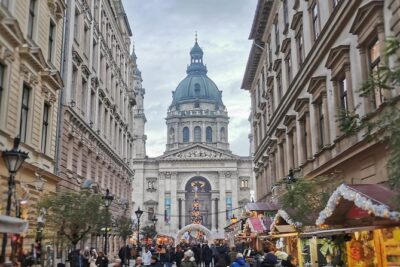
St. Stephen’s Basilica (Szent István Bazilika) is listed as an optional-feeling stop in the sense that the admission is not included. Still, it’s a key “Budapest religious landmark” moment, and the tour gives you enough time to absorb the space rather than just stand outside and rush on.
Even if you don’t go inside, getting close helps you understand why this area became a city center magnet over time. Budapest doesn’t do one-style tourism; it mixes empires, faith, art, and public life in the same neighborhoods.
Consideration: since admission for the basilica isn’t included, check your preferences before you arrive. If you love interiors and details, budget time for it and bring whatever you need for entry.
Matthias Church and Fisherman’s Bastion: Buda’s story in stone
Then you’re on to Matthias Church, where the tour notes that there’s a possibility of an interior visit. Again, admission is listed as not included, so you’ll want to be ready for a ticket decision.
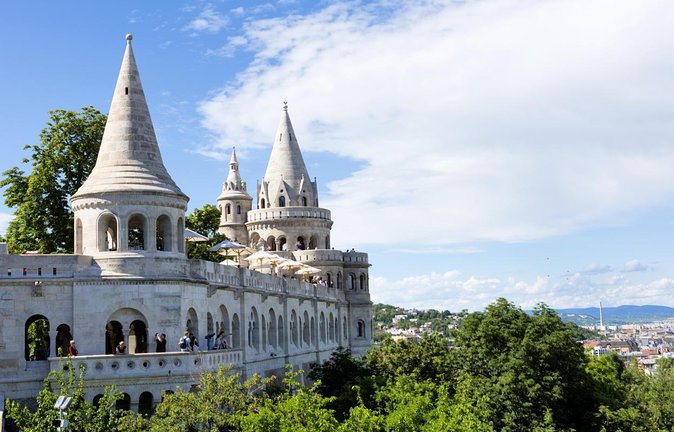
Fisherman’s Bastion comes next. This stop is short—think quick views and architecture appreciation rather than a long linger. Admission is also listed as not included, so it’s a good place to decide on the spot whether you want the full ticketed experience or you’re happy with what you can see within the time window.
Why I like this pairing: Matthias gives you the church character, while Fisherman’s Bastion gives you the “postcard viewpoint” payoff. Together they tell you why Buda Castle hill became a place of power and display, not only defense.



Buda Castle courtyards and the Castle Gardens Bazaar: where time feels different
Once you’re in the castle area, you’ll reach the Royal Palace courtyards and the recently renovated Castle Gardens Bazaar. This is one of the best parts of the route for just slowing down for a moment, even if the overall tour is moving.
The “bazaar in the castle gardens” stop is especially useful because it’s a low-pressure way to experience local commercial life without committing to a separate shopping expedition. It’s not just scenery; it’s where people browse, snack, and pass the time in a setting that’s otherwise dominated by monuments.
And since this segment is listed as free, it’s a straightforward win for your budget.
Gellért Hill and Citadella: the best-view payback
A bus trip takes you up to Mount Gellért, where you’ll admire the Citadella viewpoint and the Statue of Liberty there. This is your big panorama moment—the part where Budapest looks like a city instead of a set of locations.
The guide’s job here is making sure you know what you’re looking at. From high ground, Budapest can feel like a puzzle. The storytelling helps you label the pieces: river line, castle area, major zones, and the overall river-city layout.
Practical advice: bring layers if it’s breezy. Viewpoints can feel colder than you expect, especially near the top of hills.
Finishing at Central Market Hall (or your hotel): don’t let the last hour drift
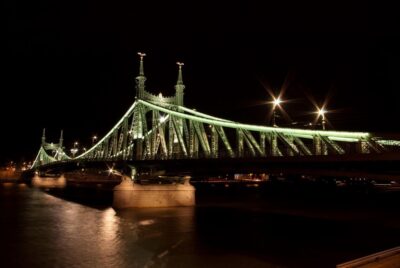
After the river crossing, the tour ends at the Central Market Hall, described as the largest covered market in the capital. This is a smart finish because markets are naturally useful: you can grab snacks, buy small souvenirs, or just keep exploring without needing transportation planning.
If you prefer, the tour can end with a hotel drop-off instead (based on the tour’s option). Either way, it’s better than ending in a random transit dead zone.
Consideration: if you want to shop seriously, keep your walking pace comfortable. Market halls can eat time fast.
Price and value for small groups up to 15
The listed price is $297.03 per group for up to 15 people, with a 3 to 4 hour duration. That can sound steep if you compare it to per-person city-ticket deals. But that comparison ignores what you’re buying: a pro guide, a structured route, and help navigating time across multiple high-demand sights.
Here’s the value lens that matters:
- If you have a small group (say 2–4 people), you’re paying more per head for the convenience and interpretation.
- If you fill more spots, the per-person cost drops dramatically, and you basically get a guided “greatest hits” pass with minimal hassle.
Also, since some stops are free and some admissions aren’t included, your total spend depends on your interior choices. That flexibility can work in your favor—go in where you care most.
What to expect on your feet (and how to plan your day)
This is a classic walking tour with a couple of transit elements. You’ll do enough walking that comfortable shoes matter. The route includes hills (especially with the Citadella segment), so don’t schedule this when your legs are already cooked.
Bring:
- Water (and maybe a snack if you’re hungry between stops)
- A light layer for viewpoints
- A small amount of cash or card-ready for any sites with entry fees you decide to take
And since public transport tickets aren’t included, if the plan uses public transit for parts of the route, you should budget for that on the day.
Weather matters too. The experience is noted as requiring good weather, so if skies turn ugly, expect a reschedule offer or a full refund.
Who this tour fits best
This is a strong fit if you want to:
- See major Budapest sights in one connected day
- Get historical context without reading guidebooks all morning
- Avoid complicated transport planning across Pest and Buda
- Travel with a group and keep it private for your party
It’s also a good match if you like clear, paced sightseeing rather than spending half your day searching for where to go next.
If you’re the kind of traveler who wants long, slow museum time and deep interior exploration at every stop, you may find the pacing a little tight. In that case, use this tour as your “first orientation.” Then come back on your own for the places you loved most.
The guide factor: what people consistently value
A big theme in the provided feedback is that the guide experience feels personal and easy. Claudia Pavone shows up again and again in comments for being kind, professional, and very helpful. People also note multilingual support (Italian, English, and Spanish), plus thoughtful pickup experiences.
That matters because Budapest is easiest when someone helps you connect the dots. You get more than facts—you get explanations you can actually use while you’re standing in front of the buildings.
Should you book this Budapest Classic tour?
I’d book it if you want a well-planned “greatest hits” route that covers both sides of the river and gives you enough context to remember it. The price works especially well for groups closer to the max size, and the private-group format means the guide can shape the day to your pace.
Skip it (or do it with realistic expectations) if you’re hoping for long interior visits at every major site or if you hate walking on uneven ground and hills.
If you’re visiting Budapest for the first time and you want to leave with clear direction for the rest of your trip, this is one of the most straightforward ways to get there.