REVIEW · BUDAPEST
Best of Budapest: Private Walking Tour with a Local
Book on GetYourGuide →Operated by Humrahe · Bookable on GetYourGuide
Budapest gets personal on foot. This private walking tour starts with Heroes’ Square orientation and quickly turns into a local-style wander where you’re not just ticking boxes. I love the way the guide tailors the route to your interests and gives insider tips on how to eat, shop, and get around like someone who lives there.
What’s also great is the relaxed pacing. You’ll spend time at major sights, but with context and small “why this matters” details that help it stick. The only real catch: the guide is a friendly resident, not a certified professional, so if you want heavy, lecture-style history, this may feel more like culture + streets than deep academic background.
In This Review
- Best Way To Start: Heroes’ Square Meets a Local’s Pace
- Private and Tailored: Why the Route Feels Like It’s Yours
- Major Sights You May See: St. Stephen’s Basilica and Liberty Square
- The Castle Area: Buda Castle and Matthias Church Moments
- Jewish Quarter and Great Synagogue: Stories That Land
- Central Market Hall and Café Time: Food Stops That Feel Local
- How the Guide Actually Changes the Experience
- Price and Value: What $29 Buys You in Budapest
- Timing: 1 to 6 Hours Means You Control the Intensity
- Getting Your Money’s Worth: What to Tell Your Guide
- Should You Book This Private Budapest Walking Tour?
Best Way To Start: Heroes’ Square Meets a Local’s Pace

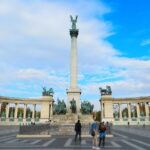
You meet at Heroes’ Square, which is a strong first move because it gives you an immediate sense of scale. From there, the tour becomes less about a rigid checklist and more about building your “I’ve got this” feeling. Your guide walks you through the neighborhood areas around your route, points out practical options, and helps you decode what you’re looking at without drowning you in facts.
Expect an early focus on direction and momentum. You should walk away knowing how to move through the city efficiently, where to aim for a snack, and how to plan your next day. Even if you only have a short window, this kind of start matters in Budapest because the city rewards smart wandering—you can easily spend hours going the wrong way if you don’t understand the geography and transit rhythm.
Practical tip: Bring comfortable shoes. This is a walking tour, and good instincts won’t matter if your feet are already mad at you.
Private and Tailored: Why the Route Feels Like It’s Yours

This tour is private, meaning it’s just your group and no strangers hovering for the same photo every five minutes. That changes everything about the experience. You can ask questions on the spot, slow down for a viewpoint, and shift toward what you actually want—architecture, Jewish Quarter stops, food stops, or a classic highlights sweep.
It also means the guide can work in a good mix of “big-name” Budapest with smaller moments that help the city feel lived-in. You’ll still see major attractions, but the order and emphasis can flex. In a city where it’s easy to feel like you’re passing through, a tailored route makes it easier to connect dots.
One more reason the private format works: it helps you keep your timing realistic. The tour duration can run from 1 to 6 hours, so you can match it to your itinerary. Want a quick orientation before dinner? You can. Want a longer day that covers several major districts? You can do that too.
You can also read our reviews of more walking tours in Budapest



Major Sights You May See: St. Stephen’s Basilica and Liberty Square
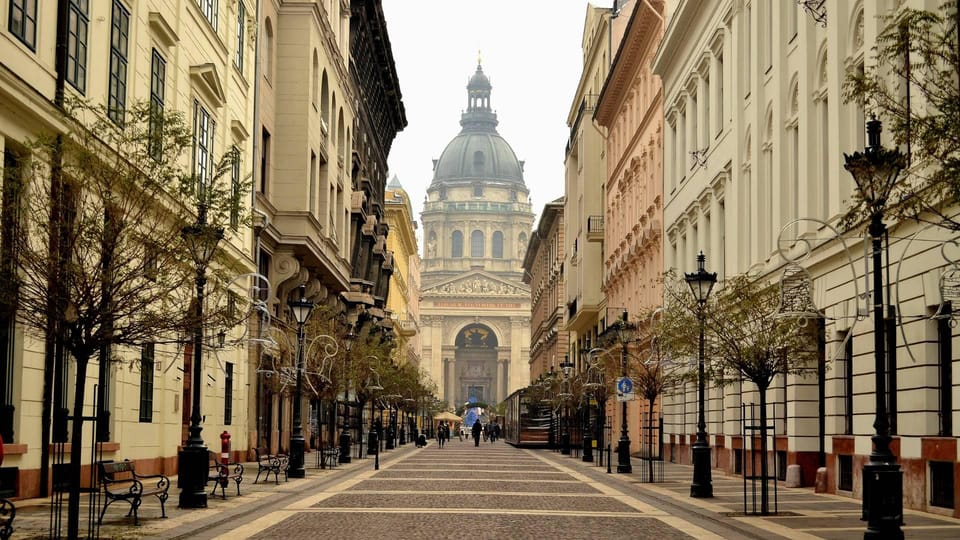
Budapest’s “greatest hits” show up depending on how long you book and what you care about. In many versions of this kind of tour, you’ll spend time around Pest’s key landmarks, including St. Stephen’s Basilica and Liberty Square.
Why those stops are worth it:
- St. Stephen’s Basilica is one of the most recognizable symbols of Budapest, so it gives you a clean “main character” moment fast.
- Liberty Square helps you understand how the city frames its modern identity—more than just postcard views.
Here’s the value: the guide helps you read the city visually. You don’t just see the buildings; you understand what you’re supposed to notice. And since the pace is casual, you’re not forced into a “run-and-gun” rhythm.
Reality check: If you’ve never been here, you might feel like you’re seeing a lot in a short time. That’s normal. The goal isn’t to memorize everything. It’s to leave with a practical mental map and a few strong places you’ll want to return to.
The Castle Area: Buda Castle and Matthias Church Moments

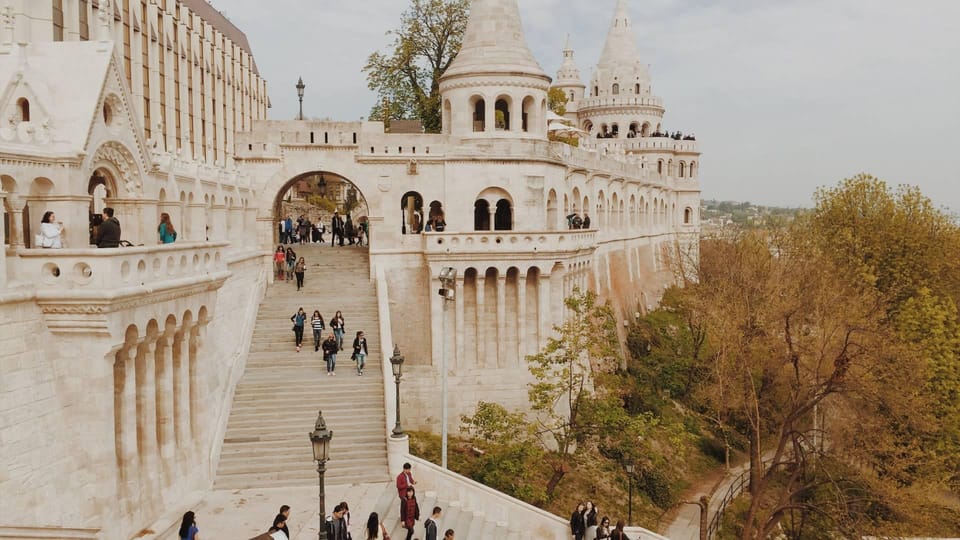
If your tour goes toward Buda highlights, expect classic architectural anchors like Buda Castle and Matthias Church. These are the kinds of places where Budapest’s layers show up all at once—grand façades, dramatic views, and a sense that the city is built on more than one era.
What I like about these stops in a walking format is that you see the transitions between viewpoints and streets. Even if you’re not taking photos every 30 seconds, you still get that “ah, that’s why people come here” feeling.
If you want the best experience, treat this as a slow sightseeing chunk rather than a photo sprint. Sit for a minute. Look back the way you came. Ask your guide what people usually miss in that area. On a private tour, you’ll actually get a straight answer, not a rehearsed script.
Possible consideration: If you only book a short 1–2 hour option, you may not have time for every Buda highlight. It’s smart to tell your guide your top priority early so they build the route around it.
Jewish Quarter and Great Synagogue: Stories That Land

One of the most emotionally resonant areas you might visit is the Jewish Quarter, including the Great Synagogue. In the best versions of this tour, the guide’s storytelling helps you move beyond seeing a landmark and into understanding why it matters.
This isn’t the kind of stop you rush through. Even with a walking pace, you’ll want a little breathing room so the place can do its job. Your guide can guide you through the “what you’re looking at” moments, and then connect them to broader cultural context through a personal lens.
If you’re the type who likes your travel with meaning—without turning it into a full-on textbook day—this is a strong match.
One caution: The tour is not positioned as deep, academic history lessons. So if you’re hunting for long, detailed timelines, you may want to pair this with another history-focused activity later.
Central Market Hall and Café Time: Food Stops That Feel Local
Budapest is famous for food, and this tour can work food into the day in a very practical way. Depending on your preferences, your guide may take you through places like Central Market Hall, where you can try local flavors and get a sense of how locals stock up.
You might also have a café stop, including an experience like New York Café, which is known for its opulent feel. Pair that with a casual local moment like coffee and something sweet—one guide-led version includes cinnamon rolls and coffee—then you’ve got a day that feels like both culture and comfort.
Why I think this kind of food timing is valuable:
- It breaks up long walking stretches.
- It gives you a “real decision” moment: you’ll learn what to look for so you can repeat the behavior on your own later.
- It helps you learn the city’s rhythm. Budapest isn’t only monuments; it’s people buying, chatting, and eating.
Tip: If you see food you want to try, don’t wait. The tour encourages relaxed pacing, and your guide can point you toward spots that make sense for your day.
You can also read our reviews of more private tours in Budapest





How the Guide Actually Changes the Experience

The tour’s biggest advantage is simple: it’s a human guide with a local viewpoint, not a rigid audio script. You’ll meet at Heroes’ Square, then your guide helps you settle into the city with neighborhood context, practical directions, and a tailored set of highlights.
Some versions feature guide names like Linda, who’s been praised for engaging stories and keeping a tour balanced between meaningful stops and enjoyable breaks. Other versions include local market and café moments, plus synagogue visits that feel serious in the best way.
That said, not every experience lands perfectly. One booking reported that the guide was not local and didn’t know much about the city. This is exactly why I recommend being proactive: if you have strong expectations—especially about storytelling depth—message your provider or ask what kind of route they plan for your time window before you start walking. You’re paying for the guide’s perspective, so you want that perspective to be real.
Price and Value: What $29 Buys You in Budapest
At $29 per person, the price is surprisingly approachable for a private, tailored walking tour. The value comes from structure plus flexibility.
Here’s what you’re paying for, in practical terms:
- Private group access (no outsiders in the mix)
- A route that can flex to your interests instead of forcing a one-size plan
- Local advice on where to eat, shop, and move around
- A guide who focuses on culture and street-level context rather than a full history lecture
You’re not paying for transportation or paid attraction tickets. If you want entry to a paid site, you may need to cover additional costs. Also, when optional attractions require admission, the guide’s entry cost may be something you’ll need to handle—so if you’re planning specific ticketed sites, confirm the expectation ahead of time. On tours like this, it’s often the extra admissions and your food choices that make the final cost climb.
Still, compared to typical guided sightseeing formats, this is good “first day” value. It helps you avoid wasting time later. The best tours save you money indirectly by preventing wrong turns and missed opportunities.
Timing: 1 to 6 Hours Means You Control the Intensity

The tour can run from 1 to 6 hours, and that flexibility matters because Budapest can wear you out fast if you over-plan.
If you book shorter, treat it as orientation. You’ll get a guided start, see a handful of key areas, and leave ready to explore independently. If you book longer, you’ll likely cover multiple districts and add in a more complete mix of sights plus food stops.
My suggestion: match the tour length to your energy and your overall schedule.
- If you arrive with jet lag or have limited time, choose the shortest option that hits your top priorities.
- If it’s your main sightseeing block, go longer so the guide can build a coherent route instead of squeezing highlights.
And for the walking part to work smoothly: be punctual. Budapest is great, but the city won’t pause for late starts.
Getting Your Money’s Worth: What to Tell Your Guide

To get the best version of this tour, you’ll want to communicate early. Since the itinerary is flexible, your “preferences” become the skeleton of the day.
Use this simple approach:
- Pick 2–3 must-sees (for example, a basilica, the castle area, or the synagogue).
- Decide if you want a food-focused stop (markets, pastries, café time).
- Tell your guide how much walking you’re comfortable with.
You’ll get a better flow if you give guidance rather than waiting to react to whatever the guide thinks is best.
Also, wear shoes you’d wear for a full morning. Budapest is full of stone, slopes, and sidewalks that punish flimsy footwear.
Should You Book This Private Budapest Walking Tour?
If you want a local-feeling Budapest day without the stress of planning every turn, I think this is a solid choice. The private format plus a tailored route is the big win, and it works well whether you’re hitting major sights like St. Stephen’s Basilica or you want a more serious stop like the Great Synagogue.
Book it if:
- You’d like practical neighborhood advice, not just landmark photos
- You want a relaxed pace with time to ask questions
- You’re open to culture and street context over deep academic history
Consider a different option if:
- You’re specifically hunting for a certified, lecture-style history experience
- You expect the guide to know everything in minute detail no matter what you ask
- You want a fixed, guaranteed list of stops that won’t flex
If you do book, do one small thing that boosts your odds: confirm your top priorities before you start walking. This tour is designed to match your interests—so treat it like a partnership, not a conveyor belt.