REVIEW · BUDAPEST
Budapest: Best of Downtown and Jewish Quarter Tour
Book on GetYourGuide →Operated by Gábor Glasner · Bookable on GetYourGuide
Downtown Budapest comes with real context. This 2.5-hour walk strings together the big sights you came for and the street-level stories that explain how Budapest got the way it looks today, from the Houses of Parliament to the Jewish Quarter and onward to Szimpla Kert. You do it at a comfortable pace, with photo stops and guided narration focused on what you’re seeing.
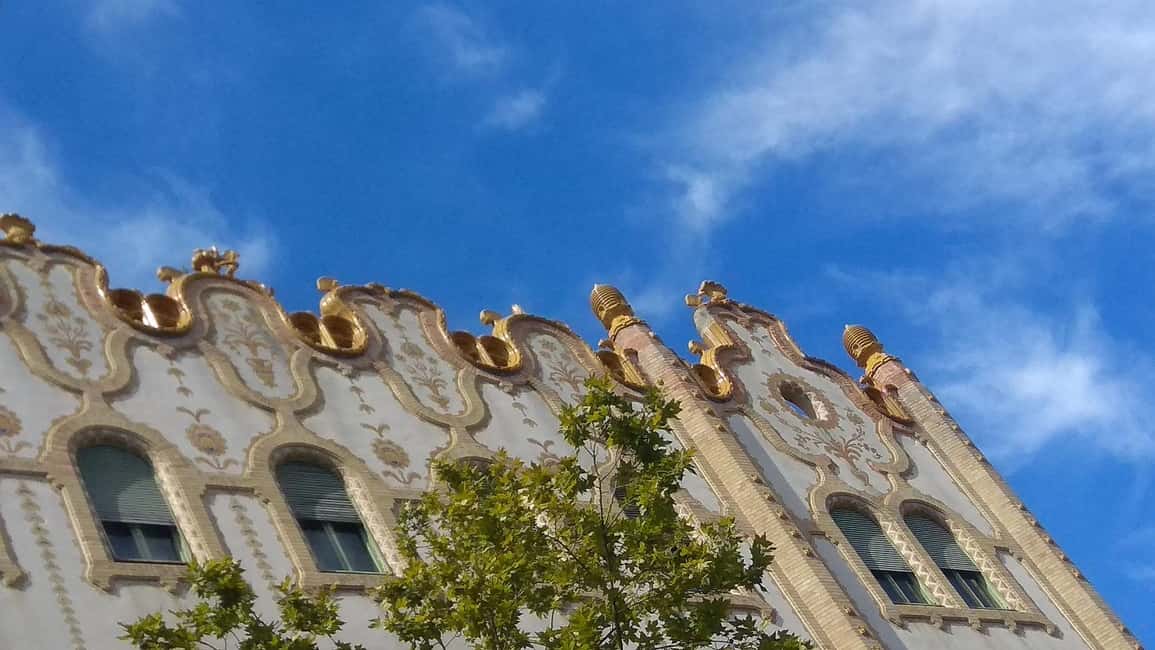
I especially like the blend of major monuments and 19th-century/1890s city-center architecture. St. Stephen’s Basilica and the Parliament are the obvious magnets, but the tour also gives you the cues to spot why the National Bank and other downtown buildings feel so purposeful and distinct.
One drawback to consider: the tour is German-only, so if you don’t read or speak German well, you may miss some of the key cultural and historical connections. Also, you’ll view buildings from the outside—so it’s not a ticketed-entry tour.
In This Review
- Key Highlights You’ll Actually Notice
- Start at Gyula Andrássy: Your Walk Begins With Direction
- Parliament and Szabadság Square: How Budapest Looks When It Wants to Be Seen
- St. Stephen’s Basilica Outside: A Monument You Can Read With the Guide’s Cues
- The 1890s Downtown Sweep: National Bank and Postal Savings Bank for People Who Like Details
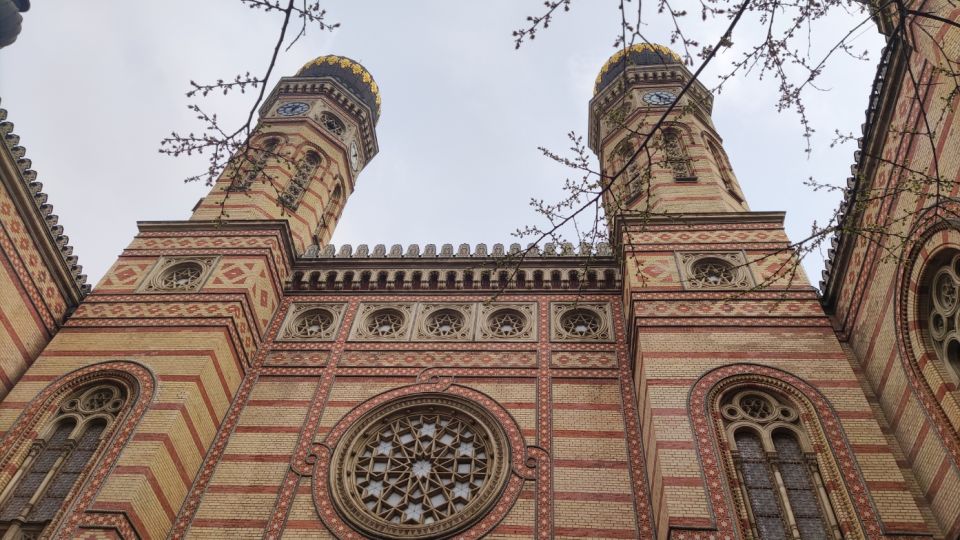
- Jewish Quarter Walk: Synagogues, Monuments, Street Art, and Ruin Pub Culture
- Kazinczy Street to Szimpla Kert: Turn the Tour Into Food and a Late-Snack Plan
- Price and Value: Why $23 Makes Sense for This Mix
- Tour Logistics That Affect Your Comfort
- Who This Tour Is Best For (and Who Might Want Something Else)
- Should You Book This Budapest Downtown and Jewish Quarter Walk?
- FAQ
- Is the tour guided in German?
- How long is the Budapest Downtown and Jewish Quarter tour?
- Where do I meet the guide?
- Where does the tour end?
- Do we go inside buildings during the tour?
- What’s included in the price besides live guiding?
- Is the tour wheelchair accessible?
- Are private groups available?
- What is the cancellation policy?
Key Highlights You’ll Actually Notice
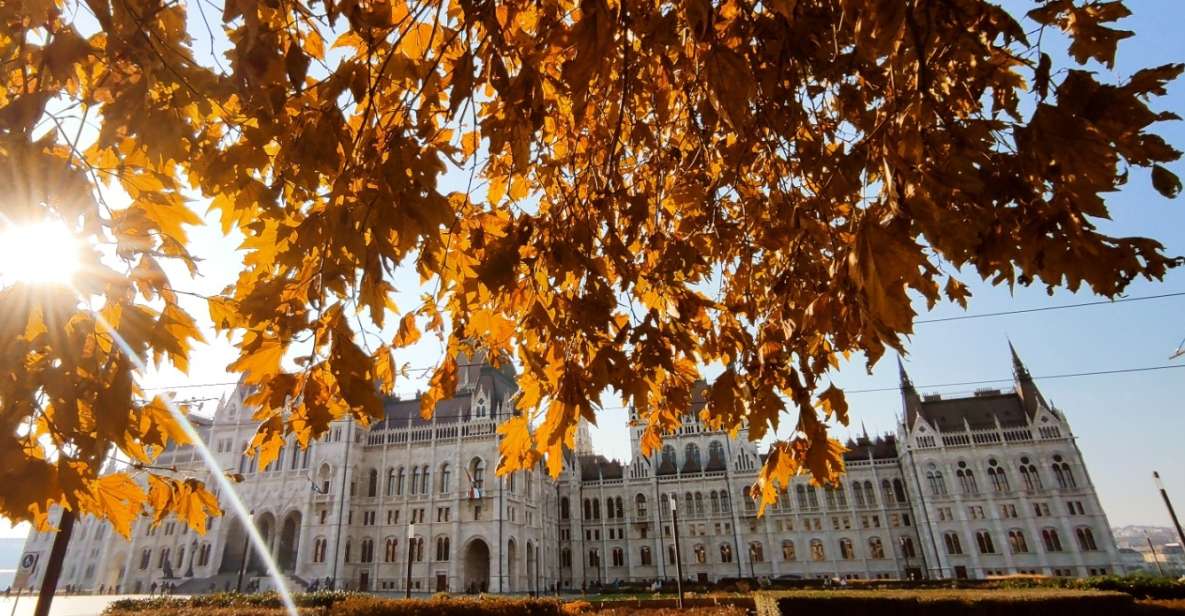
- Parliament first, photos second: a guided look that helps you understand the building before you start snapping pictures
- St. Stephen’s Basilica without the stress: exterior viewing plus just enough explanation to make it feel personal
- 1890s downtown architecture: stops tied to real landmark buildings like the National Bank and Postal Savings Bank
- Jewish Quarter mix of old and new: synagogues and monuments alongside street art and ruin pub culture
- Szimpla Kert ending with a plan: you finish near Kazinczy Street food and Szimpla ruin pub energy
- Digital restaurant guide: a phone-friendly list of 12 sites to keep your trip moving
Start at Gyula Andrássy: Your Walk Begins With Direction
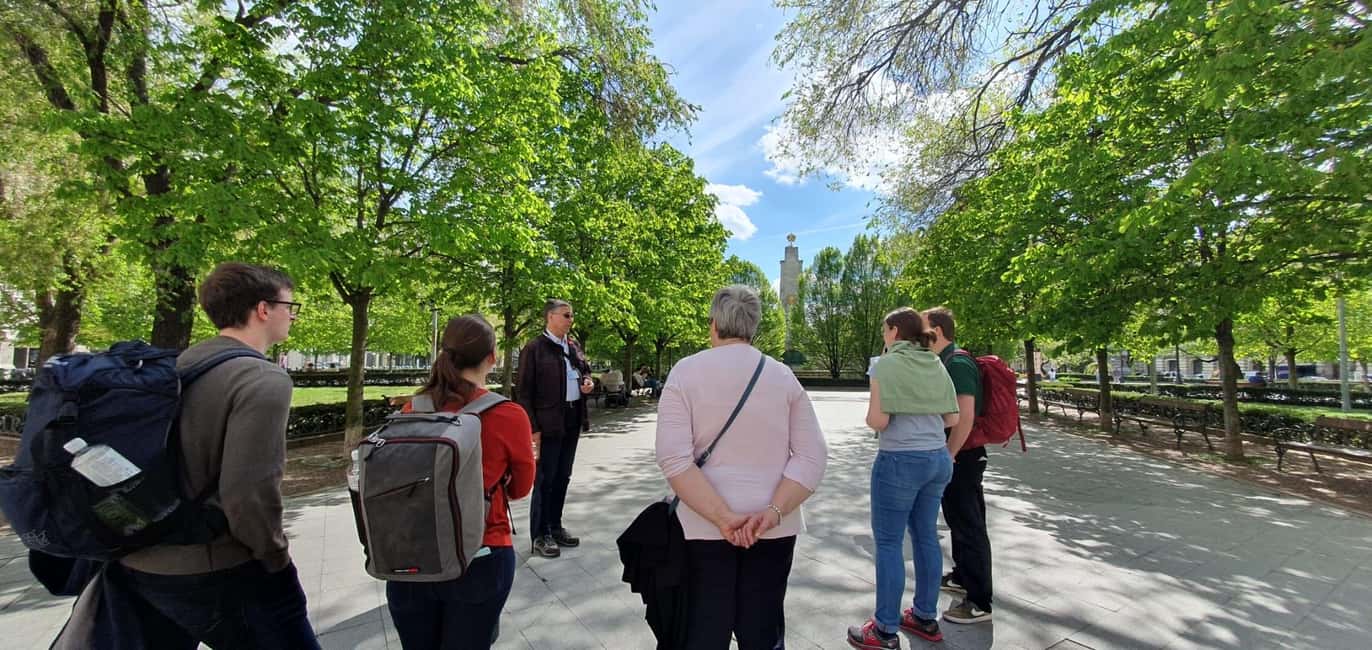
You meet at the statue of Gyula Andrássy, and your guide will be easy to spot with a tour guide card. This matters more than you’d think. In Budapest, it’s easy to wander and end up with a collection of photos but no clear story. This start helps you connect the dots fast.
The first part includes a short orientation on Hungarian history and how Hungarians live with that past. You don’t need a degree in European politics. You just need the basics to make what you’ll see feel grounded instead of random scenery.
You can also read our reviews of more tours and experiences in Budapest.



Parliament and Szabadság Square: How Budapest Looks When It Wants to Be Seen
The tour heads to the Hungarian Parliament Building, with a short guided focus and a practical photo stop. The Parliament isn’t just pretty from the river side; from the city streets you start noticing its scale and how it dominates the skyline.
After that, you move through Szabadság Square. Even when you’re not going inside anything, a square is a kind of outdoor room. With the guide’s narration, you’ll get a clearer sense of how public spaces function in the city—where people gather, how landmarks sit within daily life, and why some buildings feel built for ceremony.
This section is ideal if you like your walking tours to have momentum. You’ll be looking around constantly, but nothing feels like a forced detour.
St. Stephen’s Basilica Outside: A Monument You Can Read With the Guide’s Cues
Next up is St. Stephen’s Basilica. You’ll stop for guided sightseeing and photos, but the real value is the framing. The guide’s explanations help you see why this church is so central to how Budapest tells its own story.
Here’s the simple takeaway: when a guide gives you a quick “what to notice” list, you stop treating the building like a postcard. You start seeing details and proportions, and the sight becomes more than background while you keep walking.
It’s also a good spot to pause without losing the flow of the tour. You’re not trapped in long speeches or rushed past the most famous landmark in the area.
The 1890s Downtown Sweep: National Bank and Postal Savings Bank for People Who Like Details
After the headline monuments, the route turns into the city-center proper—focused on older downtown buildings from the 1890s. Two stops stand out here: the Postal Savings Bank and the Hungarian National Bank.
Even if you’re not an architecture nerd, these buildings are worth your attention because they show how Budapest positioned itself in Europe during that era. The guide connects the dots between form and function. You learn to recognize the style cues and understand why these institutions were built to project confidence.
One reason I like this part of the walk: it balances spectacle with structure. You’re still moving through impressive scenes, but now they feel like they have a job to do. That makes it easier to remember the tour when you’re back in your hotel room later.
Jewish Quarter Walk: Synagogues, Monuments, Street Art, and Ruin Pub Culture
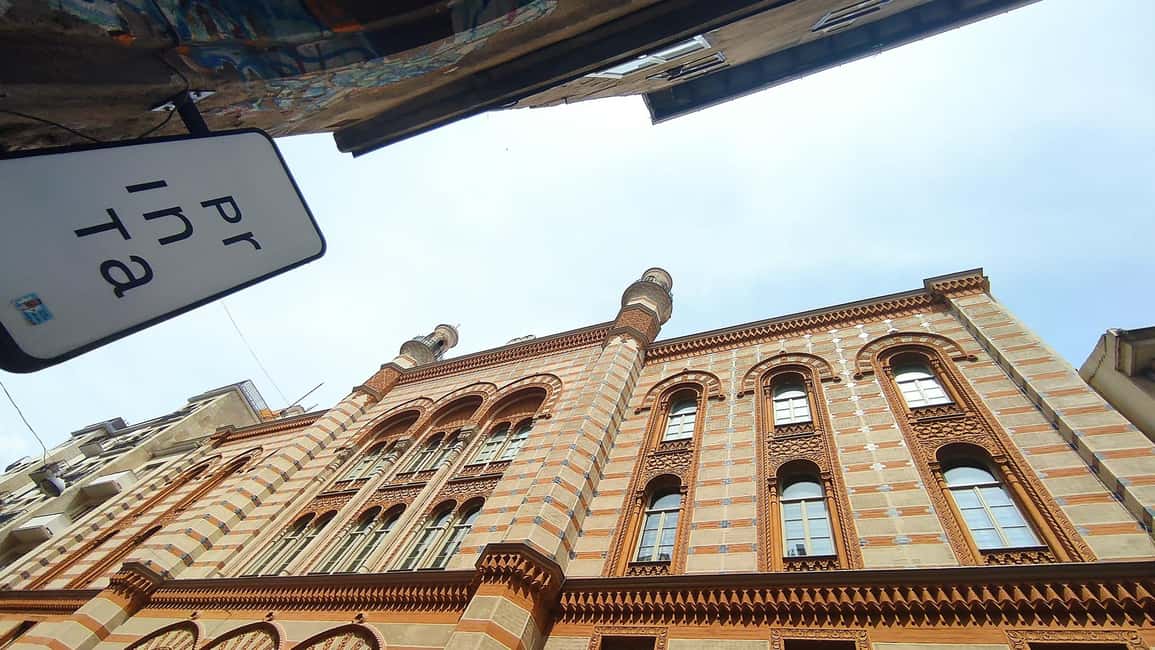
This is where the tour becomes more than a history walk. You spend about 50 minutes in the Jewish Quarter, with photo stops and guided narration that points out synagogues and Jewish monuments.
At the same time, the area isn’t trapped in the past. You’ll notice modern street art and get the feel of today’s nightlife scene. The guide also points out the ruin pubs culture, which is a very Budapest way of taking a damaged or repurposed space and turning it into something lively.
A good guide matters a lot in this neighborhood. The stories should help you respect what you’re seeing while still giving you room to appreciate the street-level energy. The tour does that by mixing monuments with the everyday visuals around them.
You’ll also get practical suggestions for where to eat and drink in the area. This is one of the most useful parts of a guided walk: it saves you from the guesswork of wandering around hungry.





Kazinczy Street to Szimpla Kert: Turn the Tour Into Food and a Late-Snack Plan
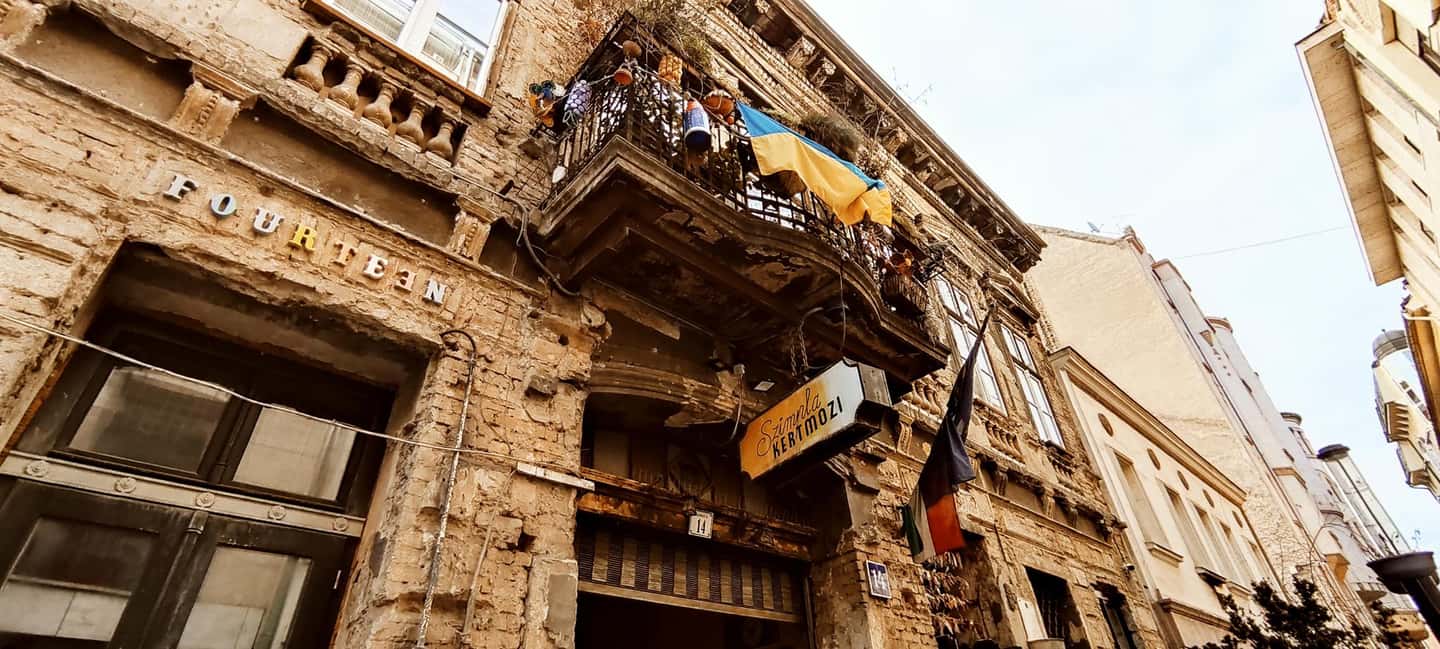
The walking tour finishes around Szimpla Kert near Kazinczy Street, close to the Karavan Street Food court and the famous Szimpla ruin pub area. This ending works because it drops you right where you can keep the day going without needing transportation.
You’re already oriented to the neighborhood, so you don’t feel like you’re starting from zero. If you want something casual, street-food style options are nearby. If you want a more atmospheric Budapest stop, ruin pub territory is right there.
Also, the tour includes a digital Budapest Restaurant guide with 12 sites. That means you can plan the next meal without scrolling for an hour while your feet are already tired.
Price and Value: Why $23 Makes Sense for This Mix
At about $23 per person for roughly 2.5 hours, this is priced like a straightforward city walk with a real payoff. The value comes from three places:
First, you get guidance that’s not just narration. You get help focusing on what matters—major monuments, downtown architectural landmarks, and the Jewish Quarter context.
Second, you’re not paying separate entrance fees because the tour doesn’t include going inside buildings. That keeps costs predictable, especially if you’re trying to budget for other paid attractions during your stay.
Third, the included digital restaurant guide adds a second layer of usefulness. It’s not just history for the moment; it helps you keep traveling well after the walk ends.
If you’re the type who likes to understand a city while still having energy to explore on your own, this price-to-time ratio usually feels fair.
Tour Logistics That Affect Your Comfort
This one is a German live-guided walking experience. There’s no hotel pickup, so you’ll be relying on your own route to the meeting point at the statue of Gyula Andrássy.
The good news: it’s wheelchair accessible, and the pace is built for a smooth downtown-to-Jewish-Quarter walking route. Still, you are walking, so wear shoes that handle cobblestones and uneven sections.
If you’re going as a group and want more control, there’s also a private group option available. That can be a strong choice if you want a quieter experience or you’re traveling with people who prefer a tailored pace.
Who This Tour Is Best For (and Who Might Want Something Else)
This tour is a great fit if you want a practical introduction to Budapest’s core neighborhoods without buying a lot of extra tickets. It’s also ideal if you like your walking tours to connect architecture and culture instead of being a list of landmarks.
You’ll probably enjoy it most if:
- you want a guided start to a trip, so your own exploring later makes sense
- you enjoy downtown architecture as much as famous religious buildings
- you want context for the Jewish Quarter that also acknowledges modern life there
If you strongly need English-language guiding, you may want to skip this one and look for a German-free alternative. Since the narration is in German, the tour won’t meet you halfway if you’re not comfortable catching spoken German.
Should You Book This Budapest Downtown and Jewish Quarter Walk?
If you want a single, well-paced tour that links Parliament, St. Stephen’s Basilica, downtown landmarks like the National Bank, and the Jewish Quarter in one smooth thread, this is a smart booking. The route is structured so you’re not just walking—you’re learning what you’re looking at.
I’d book it when:
- you have limited time and want the city’s main story arcs in one morning or afternoon
- you appreciate architecture and want the “why” behind famous buildings
- you want restaurant help at the end, not just photos
I’d think twice if German isn’t your working language. In that case, you’ll still see a lot, but you won’t get the full value of the guide’s explanations and cultural connections.
FAQ
Is the tour guided in German?
Yes. The live tour guide language is German.
How long is the Budapest Downtown and Jewish Quarter tour?
The duration is listed as 2.5 hours.
Where do I meet the guide?
Meet by the statue of Gyula Andrássy. Your guide will be wearing a tour guide card.
Where does the tour end?
The activity ends at Szimpla Kert.
Do we go inside buildings during the tour?
No. Entrance fees are not included because the tour does not go inside of buildings.
What’s included in the price besides live guiding?
You get a digital Budapest Restaurant guide (12 sites) included with the tour.
Is the tour wheelchair accessible?
Yes, it is wheelchair accessible.
Are private groups available?
Yes, private group options are available.
What is the cancellation policy?
You can cancel up to 24 hours in advance for a full refund.