REVIEW · BUDAPEST
Art Nouveau Tour in Budapest: 3-Hour Private Tour
Book on GetYourGuide →Operated by FUNGARIAN · Bookable on GetYourGuide
Budapest turns into a time machine when you read its facades. This private Art Nouveau tour focuses on why Pest looked the way it did in the late 1890s and early 1900s. You’ll learn how the movement shaped real streets and public buildings, not just museum theory.
I love the way this tour makes Secession (szecesszió) feel practical. It connects the name, the style, and the Hungarian folk motifs you can spot on exteriors, so you start noticing patterns right away. The second thing I really like is the guide-led Q and A style—Miklos in particular is known for answering follow-ups and tailoring explanations on the fly.
One consideration: it’s a 3-hour walking experience, and it’s not suitable for people with mobility impairments. If your legs or stamina are limited, you’ll want to rethink the format before you book.
In This Review
- Key highlights worth knowing before you go
- Pest’s turn-of-the-century look: why the streets feel so theatrical
- Art Nouveau in Hungary: decoding Secession and the folk details
- The details that matter: beehives, decorative facades, and architect stories
- Why the tour feels efficient: a private 3-hour format that actually teaches
- What you’ll get to take home (and why it’s useful)
- Walking and city-flow tips: pickup, transit context, and pace
- Where this tour makes the most sense (and where it won’t)
- Price and value: is $127 per person fair for 3 hours?
- Should you book this Art Nouveau Tour in Budapest?
- FAQ
- How long is the Art Nouveau tour in Budapest?
- Is this a private tour?
- What languages are offered?
- Is pickup included?
- What’s included in the price?
- Is food and drink included?
- Is the tour suitable for people with mobility impairments?
- What’s the cancellation window?
Key highlights worth knowing before you go
- 3 hours, private, and in English, German, or Albanian with a live guide
- Secession (szecesszió) explained alongside why Budapest never went skyscraper-happy
- Hungarian folk motifs woven into Art Nouveau facades you can actually see
- Symbol talk, including what beehives mean on certain public buildings
- Notes provided (notebooks, pens, printed material) so you can keep track of details
Pest’s turn-of-the-century look: why the streets feel so theatrical
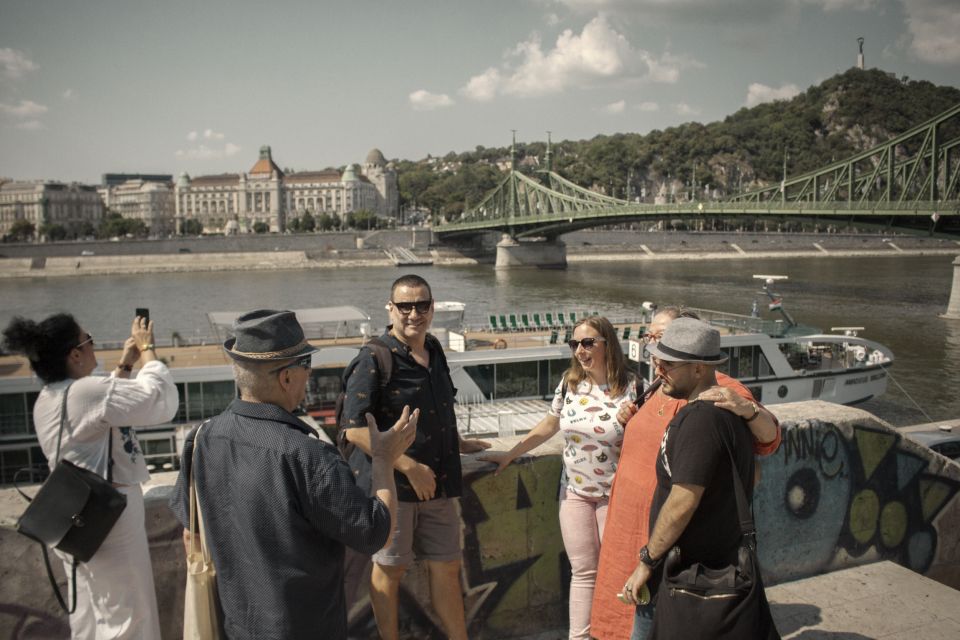
Art Nouveau in Budapest isn’t just pretty decoration. It’s a message from the late 19th century, when Pest was growing fast and trying to look modern without losing its identity. In this tour’s 3-hour window, you focus on that heyday and how the buildings reflect the mood of the time.
A big part of the experience is learning why so many late-1800s facades are so intensely ornamented. Once you understand the logic behind the choices—design, symbolism, and identity—you start seeing the city as a designed story, not random architectural leftovers.
You also get the local angle on something most people wonder about sooner or later: why there are no skyscrapers in Budapest. The tour doesn’t just mention the absence; it frames it in the context of how the city developed and what people prioritized. That kind of explanation makes the skyline feel less like a mystery and more like a decision.
You can also read our reviews of more private tours in Budapest


Art Nouveau in Hungary: decoding Secession and the folk details
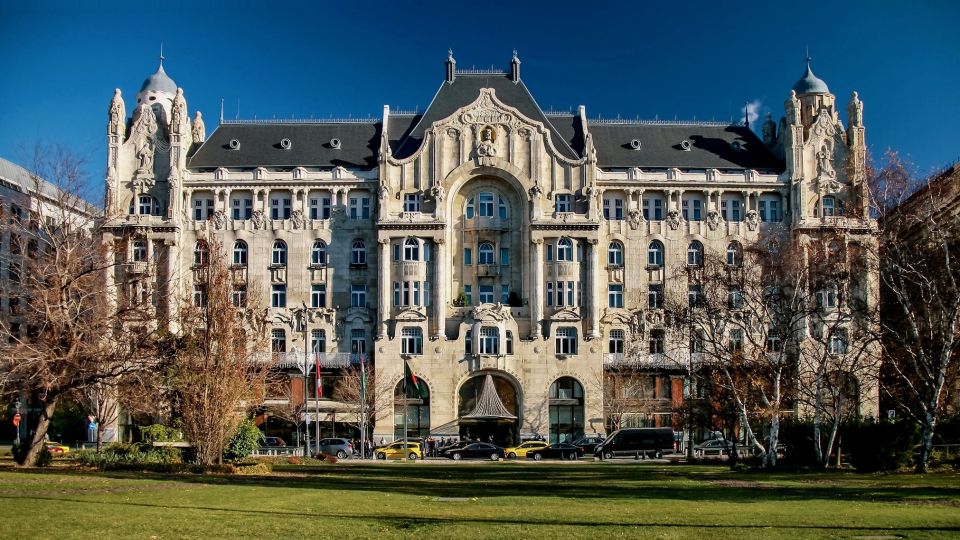
You’ll hear that Art Nouveau is called Secession (szecesszió) in Hungarian, and the naming matters. It signals a break from older styles and a push for something new—something that could still feel local. That’s the core theme you’ll carry with you as you look at facades and rooflines.
The tour also trains your eye on something easy to miss if you’re only scanning for flowers. It’s the way Hungarian folk motifs get built into Art Nouveau designs. Once you learn what to look for, those shapes stop being vague patterns and start becoming cultural references.
This is where the “architecture + culture” combo pays off. Instead of treating buildings as isolated art objects, you’re taught to see them as part of Hungarian life and Hungarian taste. That makes the streets feel personal, even if you’re visiting for the first time.
The details that matter: beehives, decorative facades, and architect stories
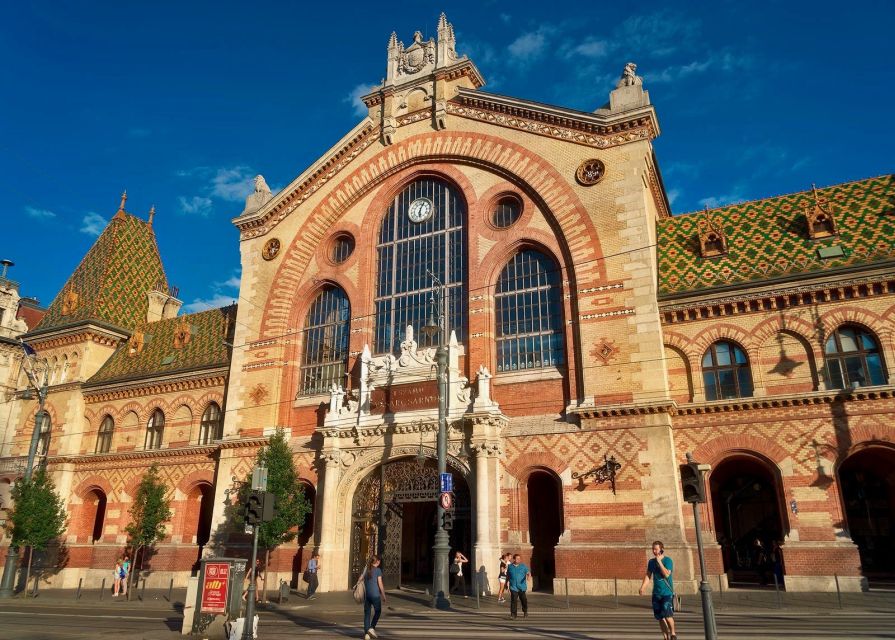
Not all symbolism is obvious. That’s why I like that this tour talks about symbols you’d normally walk past. One example is the beehives seen on Budapest public buildings—the tour connects the symbol to what the city wanted to communicate.
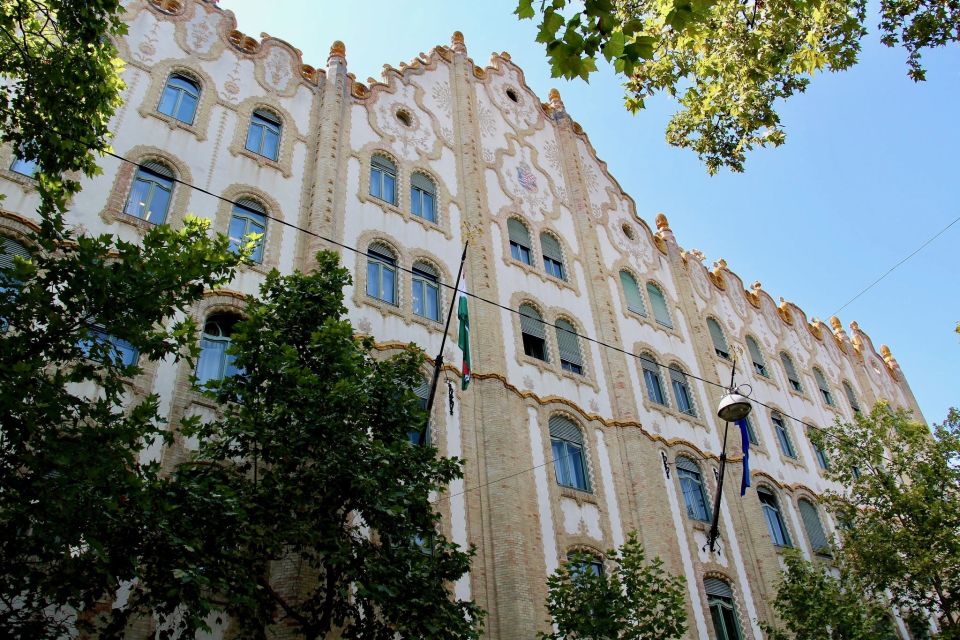
You’ll also get an explanation for why the facades of many late-19th-century buildings are so decorative. The key value here is interpretation. When you know what a detail signals—whether it’s status, craft pride, or a cultural idea—you stop thinking of ornament as extra and start understanding it as language.
And the tour doesn’t leave architecture as a cold subject. You hear fascinating tales about the architects behind these buildings. That human layer matters because it turns a facade into a decision made by specific people, under specific conditions.
Why the tour feels efficient: a private 3-hour format that actually teaches
This is a private group tour, which changes the whole vibe. You can ask questions as you go, and you’re not stuck waiting until the end while a larger group moves on. On this kind of walk, questions are where the learning accelerates.
Guides on this tour speak English, German, and Albanian, which is a practical advantage if your travel party doesn’t share one language. It also helps you keep the pace, because you’re not translating in your head while trying to read carvings and cornices.
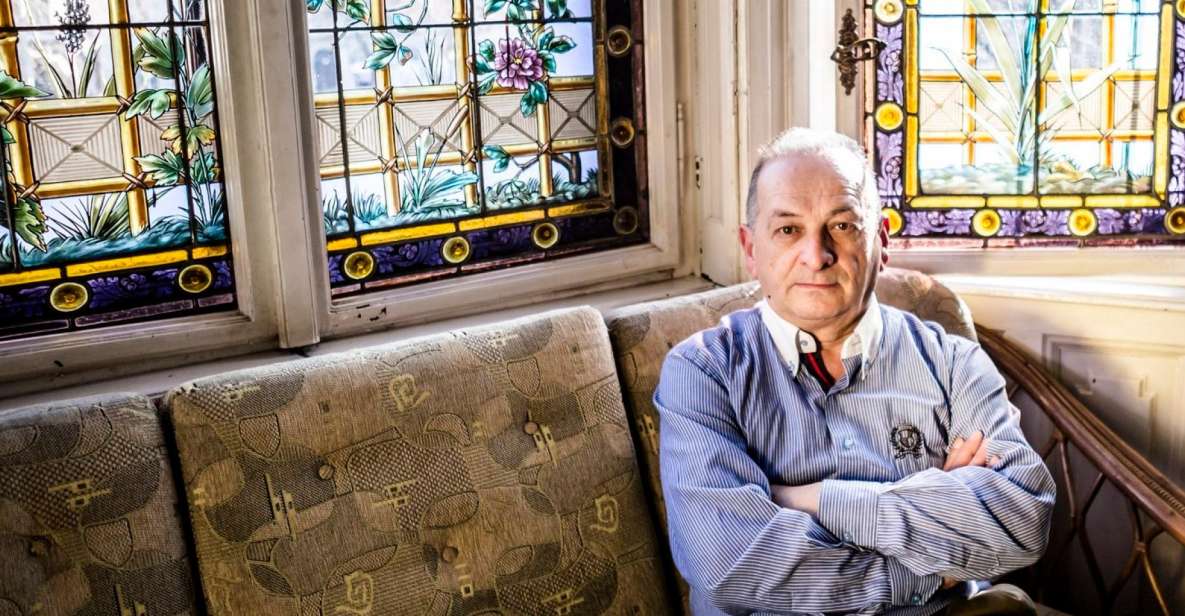
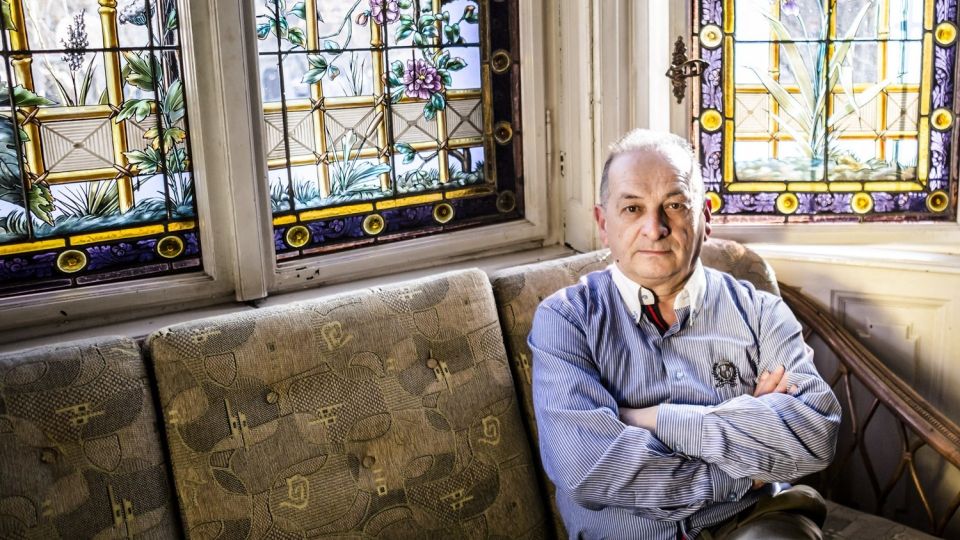
Miklos has been highlighted for both friendliness and real teaching ability. People also note that he’s flexible, which you’ll feel during the walk when your interests steer the conversation. That responsiveness is a big part of why 3 hours can feel like more, especially when the guide answers questions beyond architecture and into everyday history.
What you’ll get to take home (and why it’s useful)
The tour includes notebooks and pens, plus printed material. That sounds small, but it’s smart: it makes it easier to remember what you saw and to sort it into categories later (style features, symbols, and name-related facts like Secession). You’re not just photographing; you’re building a personal reference sheet.
You can also read our reviews of more tours and experiences in Budapest





Walking and city-flow tips: pickup, transit context, and pace
Pickup is built in. Your guide meets you at your accommodation in Budapest, then you walk to the first stop together. That’s convenient if you’d rather not figure out where to meet or lose time finding the right entrance or corner.
You’ll also get some orientation that goes beyond buildings. One of the standout notes is that the guide introduces you to the underground and tram system during the tour. Even if you’re already comfortable using public transit, this kind of quick, local context helps you move around the rest of Budapest with less guessing.
A quick practical point: you’re not getting food or drink included. That means you should plan a snack or water before you start, especially if you’re visiting in colder months. Also, bring comfortable shoes and clothes. These tours reward slow looking, but they require steady feet.
Where this tour makes the most sense (and where it won’t)
This experience fits best if you like architecture and want to learn to read it. If you enjoy history that shows up in everyday objects—doorways, balconies, symbolic motifs—this is an efficient way to connect the dots in a short time.
It also makes sense for people who want a deeper feel for Budapest culture. The tour’s focus on how Art Nouveau affected the city isn’t just about design trends; it’s about what people wanted the public face of Pest to communicate.
If you’re traveling with mobility limitations, treat this as a caution. The tour is not suitable for people with mobility impairments, likely because of the walking and street-level viewing. For everyone else, the “easy for the mind” part comes from structure: you’re taught what to notice, then you look, then you connect.
Price and value: is $127 per person fair for 3 hours?
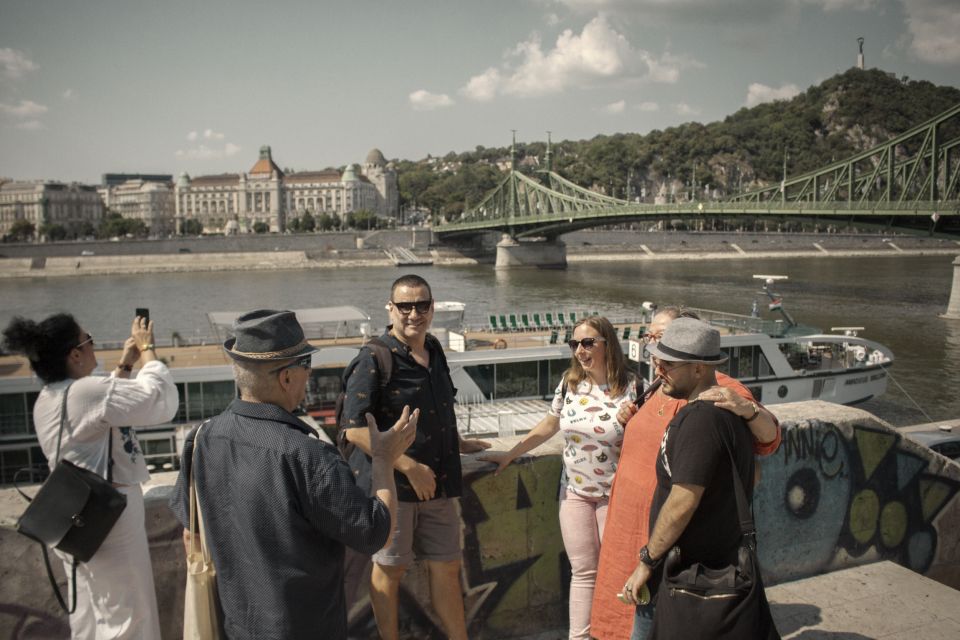
At $127 per person for 3 hours, you’re paying for a private, guided learning experience, not a casual stroll. In practice, the value depends on your travel style.
If you’re the kind of person who asks questions and wants real explanations—not just a list of buildings—this price starts to make sense fast. The included learning tools (notebook, pen, printed materials) also add small value, especially if you want to remember details later.
The private setup matters too. You’re not sharing a guide with strangers who may move at a different pace. That’s how you get to spend more of the 3 hours actually reading the architecture instead of waiting for everyone to catch up.
Finally, the fact that the guide can cover both architecture and broader culture gives you more “different types of learning” per hour than many narrow tours. It’s not only about style; it’s about why the style appeared and what it meant on Hungarian streets.
Should you book this Art Nouveau Tour in Budapest?
Book it if you want your first taste of Budapest Art Nouveau to come with context. This is the sort of tour that helps you look at Secession (szecesszió), Hungarian folk motifs, and public-building symbols like beehives without feeling like you need a textbook.
Skip it if walking for 3 hours is a problem for you, since it’s not suitable for mobility impairments. Also consider skipping if you only want quick photo stops with minimal explanations—this one is built for learning and conversation.
If you’re curious about Budapest’s turn-of-the-century personality and you like explanations you can reuse later while exploring on your own, this is a strong bet. You’ll leave with a clearer way to read the city, not just a list of beautiful facades.
FAQ
How long is the Art Nouveau tour in Budapest?
The tour lasts 3 hours.
Is this a private tour?
Yes, it’s a private group tour.
What languages are offered?
The live guide is available in English, German, and Albanian.
Is pickup included?
Yes. The guide meets you at your accommodation in Budapest, then you go together to the first stop.
What’s included in the price?
Included items are notebooks, pens, and printed material.
Is food and drink included?
No. Food and drink are not included.
Is the tour suitable for people with mobility impairments?
No, it is not suitable for people with mobility impairments.
What’s the cancellation window?
You can cancel up to 24 hours in advance for a full refund.