REVIEW · BUDAPEST
Private Budapest Hammer & Sickle Communist Times Tour
Book on Viator →Operated by Absolute Tours · Bookable on Viator
Communist-era Prague hits hard, fast. This private walking tour pairs an expert guide with key 20th-century locations, so the city’s squares and buildings come with real context, not just plaques. I especially love the small group limit (up to 15), and I like how the story connects big events like the 1968 Prague Spring and the 1989 Velvet Revolution to the exact places you stand.
One heads-up: expect dark subjects and continuous walking on curbs, stairs, and slippery surfaces, so it is not a great fit for limited mobility or for anyone who gets cold easily on long outdoor stretches. Also, English can vary a bit by guide, so if that matters to you, plan to ask questions clearly and be ready to slow down.
In This Review
- Key Highlights You’ll Feel on the Ground
- Hammer & Sickle Tour Energy in Prague’s Real World
- Pickup, Private Groups, and Why the Guide Changes the Trip
- Bartolomejska Street to National Avenue: Where Protest and Fear Lived
- Wenceslas Square and the Square of the Republic: Czech Struggle in Two Acts
- Old Town Walk with the Balcony Moment, Einstein, and the Jewish Cemetery
- Letna Park Finish: The Stalin Statue That Vanished
- Price and Value: What $133.67 Buys You
- Who Should Book This Tour (and Who Might Skip It)
- Should You Book the Private Communist Times Walk?
- FAQ
- How long is the Private Communist Times walking tour?
- Is pickup included?
- What group size should I expect?
- Will I have an English-speaking guide?
- Does the tour run in bad weather?
- Is the walking portion difficult?
- Is this tour recommended for children?
Key Highlights You’ll Feel on the Ground
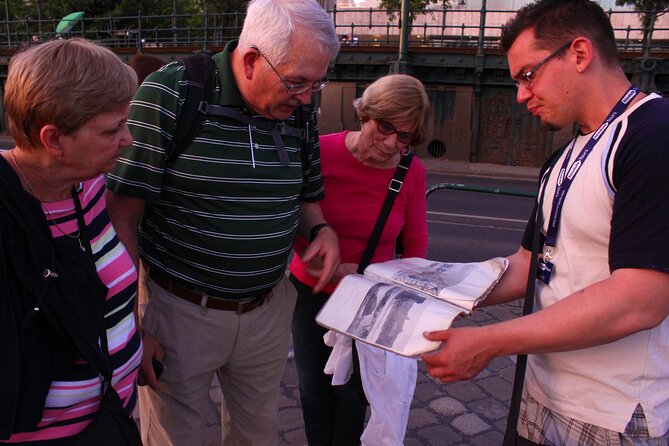
- Up to 15 people keeps the pace human and your questions actually get answered
- A route through major 20th-century hubs like Wenceslas Square and the Square of the Republic
- Stops tied to secret police, Nazi power centers, and later Soviet-era repression
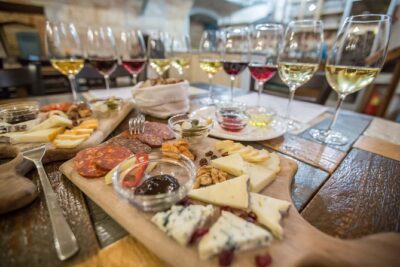
- A built-in break with a beverage stop so you are not walking on empty
- Letna Park view finish, including the Stalin statue story (1955 to 1962)
Hammer & Sickle Tour Energy in Prague’s Real World
This kind of tour is for people who want more than postcards. Instead of treating Prague’s old streets like museum scenery, you walk through the places where occupation, resistance, and political theater actually played out. It is a 3 to 3.5 hour on-foot experience designed to connect landmarks to what people did there, and what happened next.
The format matters. With only your group (it is private), plus a max size of 15, the guide can slow down where you need it and speed up where you do not. And you are not just being lectured at street corners. You are moving, pausing, and looking at buildings long before you are told why they mattered.
The other big reason this works is pacing of topics. You start with Nazi-era repression, move through student protest and Soviet-era pressure, and then end with the symbols people fought about and later erased. It is a straight line through the 20th century, but it stays grounded in what you can see.
You can also read our reviews of more private tours in Budapest
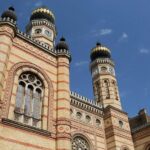
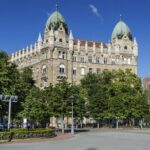
Pickup, Private Groups, and Why the Guide Changes the Trip
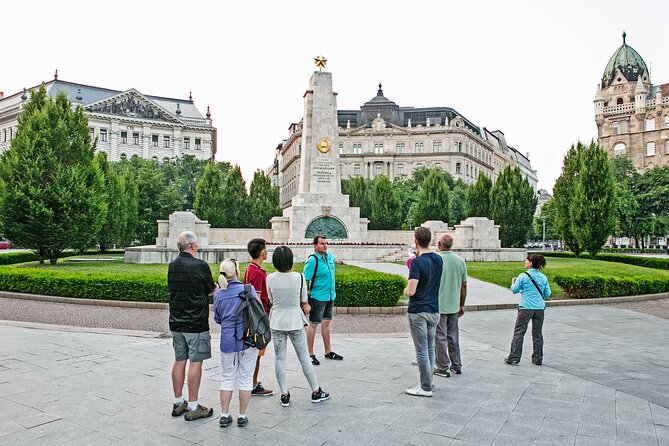
This is not a bus-and-audit tour. You get a licensed English-speaking expert guide, and pickup is included, but drop-off is not. That may sound small, but it affects how you plan the rest of your day. You will likely finish back in central Prague, so you can keep going with dinner or another neighborhood walk without feeling stranded.
You also get a mobile ticket and a refreshment stop with a beverage. That beverage break is more useful than it sounds on a cold day, since you will be out for long stretches. And since the tour runs in all weather, you should dress like you expect to stand still sometimes and move continuously other times.
Guide quality comes through in the details. Some guides have lived experience of the communist period, like Martina, and that kind of personal perspective tends to make the stories land. Others bring extra materials, including old photos and articles on a tablet. In one case, you may also get a guide who was present during the Velvet Revolution, which changes how the 1989 sections feel.
Still, be realistic. One set of comments flagged that a guide’s English could be difficult to follow, and another noted confusion around tour order and timing. In plain terms: if you care about a clear timeline, ask the guide early how they plan to sequence it, and be ready to correct course if you want more chronological order.
Bartolomejska Street to National Avenue: Where Protest and Fear Lived
The walk starts in central Prague and quickly turns serious. You begin around Bartolomejska Street, a place connected to a WWII prison used by secret police to torture prisoners. Even if you have read about those periods before, standing near a street linked to that kind of brutality makes the history feel immediate.
From there, the route moves to National Avenue, the grand thoroughfare that divides Old and New Towns. Here you get the protest thread. You are told about student protests in 1939 tied to Nazi occupation, then about protests in 1989 aimed at Soviet rule. This pairing is smart because it shows resistance as repeated behavior, not just one dramatic moment.
What I like about this segment is how it teaches you to read a city like a timeline. Big roads and famous civic spaces are not neutral. They are where people tried to pressure power, and where power pushed back. If you like cause-and-effect, this is where your brain starts clicking.
Practical tip: National Avenue is exposed. If weather is rough, you will feel it. Keep a compact layer system handy, and use a real shoe. The tour includes time on high curbs and stairs, and slick surfaces are mentioned as part of the reality.
Wenceslas Square and the Square of the Republic: Czech Struggle in Two Acts
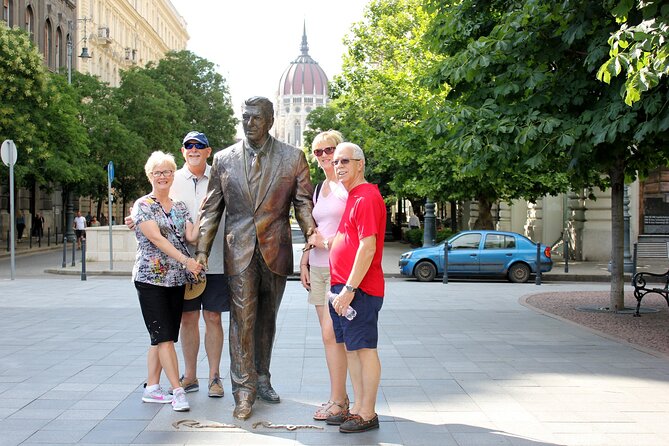
Wenceslas Square is the headline location, and the guide uses it correctly. You focus on Wenceslas Square as a historical focal point of Czech struggle against foreign occupation. Then you pause and imagine it in the period when Soviet tanks rolled in to crush the Prague Spring in 1968, early 1969.
This is one of the tour’s best “look and listen” moments. You are not just hearing names and dates. You are standing in a space that still looks like a stage. That makes it easier to understand why slogans mattered, why crowds gathered, and why the response was so forceful.
Then you move to the Square of the Republic, where the conversation shifts again. You get the connection to the 1918 proclamation of independent Czechoslovakia, and you learn how the square played a role during WWII and afterward. The guide also brings in resistance details, like secret broadcast stations linked to the 1945 Prague Uprising.
The part that can feel strange, but is historically important, comes next. Despite all that resistance energy, the square later became home to the Communist Party just three years afterward. That contrast is a big theme of the 20th century across central Europe: liberation from one oppressor can still lead to a new kind of control.
Old Town Walk with the Balcony Moment, Einstein, and the Jewish Cemetery
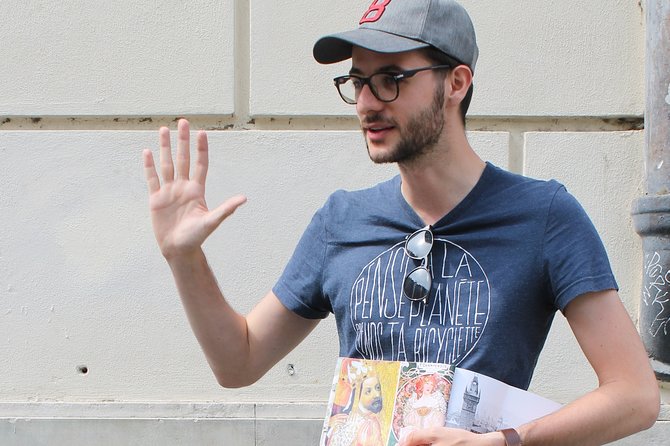
As you enter Old Town, the tour expands beyond squares. This is where you start to recognize that power moved through everyday buildings, not only through monuments. You are shown the balcony from where Klement Gottwald declared the communist takeover of the Czech government in 1948. If you are picturing how a regime claimed legitimacy, that balcony moment explains the performance aspect.
You also hear about Albert Einstein and his connection to work at Charles University. The tour ties his theories to the invention of the atom bomb. That link can be heavy, so you may want to take it slowly here. It is a reminder that science, politics, and fear often moved together in the mid-20th century.
From there, you pass the Old Jewish Cemetery and other landmarks connected to the era’s power systems. You are also directed toward former headquarters tied to the Nazi SS and later communist-era KGB. This part works best if you are comfortable holding complex history in your head at once: war, ideology, intelligence, and repression all intertwine.
One note from comments: some visitors felt a museum segment took too much time, and others wanted the walk to include that kind of indoor content later. The broader point for you is timing expectations. If you get cold or want faster pacing, mention that early. A good guide should adjust where they can.



Letna Park Finish: The Stalin Statue That Vanished
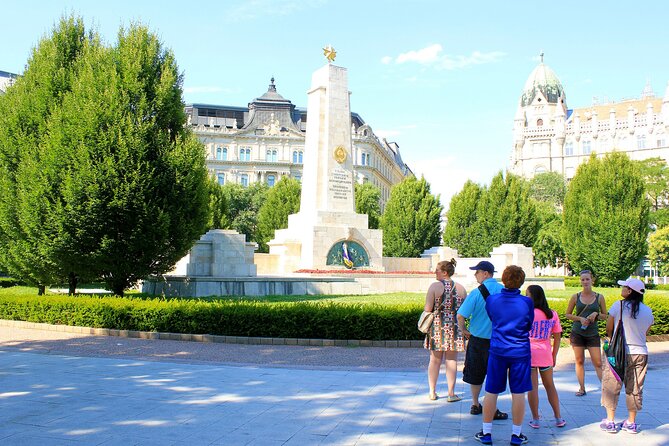
The tour ends at Letna Park on the Vltava River, and it is a smart way to close. Instead of finishing in a cramped street, you reach a viewpoint where you can look back over the story.
Here you hear about the world’s largest statue of Stalin, built in 1955 and destroyed in 1962. You stand near the space where that monument’s presence would have shaped the political mood of the city. Even if the statue is gone, the idea of it still matters because it shows how regimes used scale and visibility to demand obedience.
I also like that the ending is physical and scenic. When the tour has spent hours on prisons, secret police, and protests, finishing near the river gives you a mental exhale. You still take the history with you, but you do not feel trapped in it.
Price and Value: What $133.67 Buys You
At around $133.67 per person, you are paying for more than sightseeing. You are paying for a licensed guide, a focused route through politically charged locations, and pickup. The tour is also designed for a small group (up to 15), and it is private to your group, so you are not competing with dozens of strangers for your guide’s attention.
That price can feel high if you are used to casual city walks. But if you care about 20th-century context—Nazi repression, communist control, protest movements, and how the 1989 shift played out in real places—this format saves you time. Without a guide, you would likely walk past some sites and miss the connections.
You can also treat it as an orientation tour for the period. One theme that came up from experiences is that it helps you understand what you later see on your own. You are also getting at least one beverage stop, and the walking route uses central landmarks, which tends to keep logistics simple.
If you are value-minded, do two things. First, bring good walking shoes so the money translates to comfort. Second, use the guide’s Q&A time. You will get more out of a specialized guide if you ask at least a couple of targeted questions instead of only passively listening.
Who Should Book This Tour (and Who Might Skip It)
This tour is a strong match if you love political history, protest history, or WWII and Cold War stories in a way that is tied to street-level reality. It is also a good fit as an early tour in your trip, because you get a framework for understanding what the city means today.
It may not be the best choice if:
- you want a light, casual walk
- you need limited-mobility accommodations (the tour notes continuous walking on high curbs, stairs, and slippery surfaces)
- you are traveling with kids under 14 (it is not recommended)
Also, be honest about comfort. It runs in all weather, and at least part of the experience involves long outdoor listening. One set of comments noted spending too much time outside in cold weather, so plan accordingly with layers and gloves if you travel in shoulder season.
Finally, topic matters. You are walking through dark chapters connected to torture, secret police, and authoritarian control. If you prefer softer historical themes, pick a different tour. If those stories are exactly why you came, this one gives you the structure.
Should You Book the Private Communist Times Walk?
Yes, if you want a focused, guide-led walk through Prague’s Nazi and communist-era sites, and you like your history with geography. The small group cap, pickup, and expert storytelling help it feel personal rather than like a rushed checklist.
I would book it especially if you care about understanding how resistance and regime power played out in specific places like Wenceslas Square and the Square of the Republic. The Letna Park finish is a memorable capstone, and the combination of protests, intelligence history, and iconic landmarks makes it worth the price for the right kind of traveler.
If you are sensitive to long outdoor walking or you need easy mobility, look for an option designed with more comfort and fewer stairs. And if English clarity is crucial for you, ask about language comfort at booking so you can avoid a frustrating experience.
FAQ
How long is the Private Communist Times walking tour?
It runs for about 3 hours (approximately 3.5 hours is also described).
Is pickup included?
Yes, pickup is included, but drop-off is not.
What group size should I expect?
The tour is private and limited to a small group, with numbers limited to 15.
Will I have an English-speaking guide?
Yes. You get a licensed English-speaking expert guide.
Does the tour run in bad weather?
It runs in all weather, so dress appropriately for rain, cold, and wind.
Is the walking portion difficult?
There is about two hours of continuous walking on high curbs, stairs, and slippery surfaces, so it is unsuitable for people with limited mobility.
Is this tour recommended for children?
It is not recommended for children under age 14 due to the topic.