REVIEW · BUDAPEST
Live virtual walking tour in the Buda Castle quarter
Book on Viator →Operated by Behind Budapest Tours · Bookable on Viator
Buda Castle feels close on a live stream. I loved the cinematic gimbal framing and Adam’s engaging way of tying street scenes to real historical changes. One drawback: at about an hour, the walk can feel short.
You start at Sándor Palace and glide through the Buda Castle quarter, from the royal edge past residential streets, ending at Fisherman’s Bastion with views over Pest and time for your questions. It’s the kind of tour where season can change what you notice, like cherry trees if your timing is right.
In This Review
- Key points before you book
- The Buda Castle quarter, explained one street at a time
- Meeting at Sándor Palace: setting the tone for the walk
- Alexander Palace and the Buda Castle quarter’s layers of change
- Walking the northern facade of Buda Castle
- From the royal part to residential streets after sieges and WWII
- Buda hills views and cherry trees, depending on season
- Matthias Church to Fisherman’s Bastion: the view build-up
- Fisherman’s Bastion wrap-up with Q&A
- Cinematic visuals in a live setting (and why it matters)
- English delivery and private group format
- Price and value: $180.62 per group up to 15
- Who this virtual walk is best for
- Should you book this Buda Castle virtual tour?
- FAQ
- Where does the tour start and where does it end?
- How long is the live virtual walking tour?
- Is the tour offered in English?
- How much does it cost and how large is the group?
- What’s included in the tour?
- Is this a private tour or shared?
- Is an admission ticket included for Fisherman’s Bastion?
- Do I need to book far in advance to get confirmation?
- Does weather affect the tour?
- Are service animals allowed?
- Can I cancel for a full refund?
Key points before you book

- Cinematic camera work: a high-end gimbal helps keep the visuals smooth and focused.
- Adam’s on-the-ground storytelling: history with humor, plus practical context you can actually use.
- Seasonal stop potential: when it’s in bloom, you may spot cherry trees (110 of them).
- Multi-layer area route: you move from the castle’s royal zone into residential streets and hear what changed after sieges and WWII.
- Big finish over Pest: the Fisherman’s Bastion viewpoint wraps with Q&A and a clear send-off.
The Buda Castle quarter, explained one street at a time
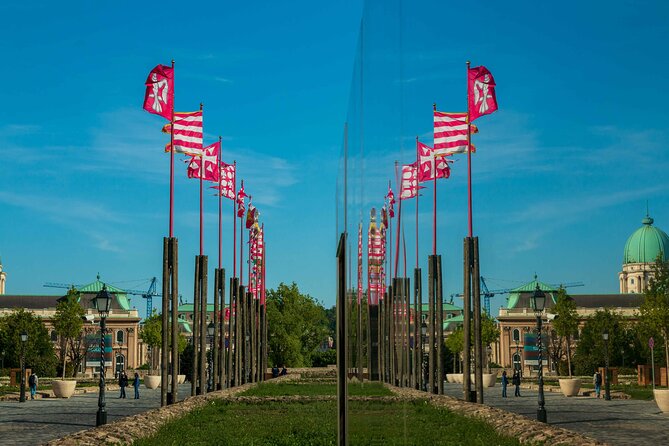
Virtual tours can go two ways. Either you get a slideshow with commentary, or you get a real walk experience where you learn what you’re looking at while it’s happening. This one leans hard toward the second approach.
The biggest win for me is that the tour reads like a guided walk, not a lecture. You pass recognizable landmarks, but you’re also taught the logic of the place: where the quarter’s “royal” identity ends, why the streets feel layered, and how the rebuilding after major conflicts shaped what you see today.
You’ll also notice the production detail. The tour uses a live video conference setup, and the guide films with a high-end gimbal for that steady, film-like framing. That matters because Buda Castle is full of vertical details—facades, church architecture, and long viewpoints—and shaky camera work can make it feel harder than it is.
If you want a calm, high-quality way to get oriented before a trip to Budapest, this fits. If you’re already in town and want a second way to see the same streets, it also works well—especially across different seasons.
You can also read our reviews of more walking tours in Budapest



Meeting at Sándor Palace: setting the tone for the walk
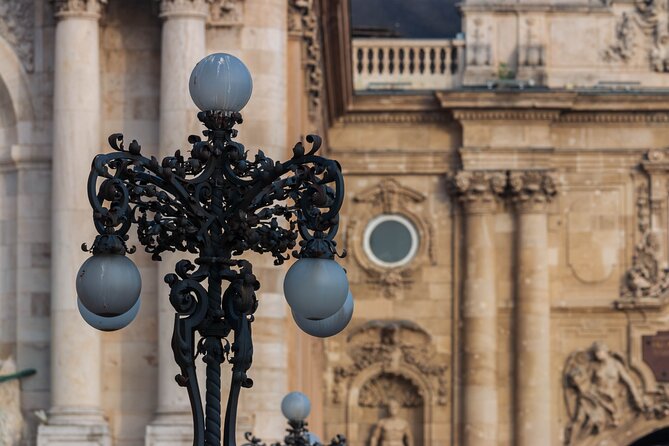
The session starts at Szent György tér 1 at Sándor Palace. That starting point isn’t random. From here, you can mentally “anchor” the Buda Castle hill, then follow the guide as they move along the northern side and toward Matthias Church and Fisherman’s Bastion.
For you, this has a simple benefit: you’re not just watching a moving screen. You’re building a route in your head that you can later connect to a map and to what you’ll see in person.
This tour is also designed for a group setting. It’s private—only your group participates—so you can ask questions without feeling like you’re shouting into the void.
Alexander Palace and the Buda Castle quarter’s layers of change
One of the most interesting segments starts as you pass the Alexander Palace. Instead of treating Buda Castle as a single story, the guide talks about the area as multiple historical layers stacked together.
You’ll hear how future construction plans may change the look and feel of the quarter. That’s a smart angle because it helps you see the city as alive, not museum-locked. A place like this changes slowly, but it does change—and knowing that up front helps you interpret what you’re seeing on the street.
The practical takeaway: as you watch the camera move, you’ll learn what to look for when you notice differences between adjoining sections. You’re basically being trained to read the neighborhood, not just admire it.
Walking the northern facade of Buda Castle

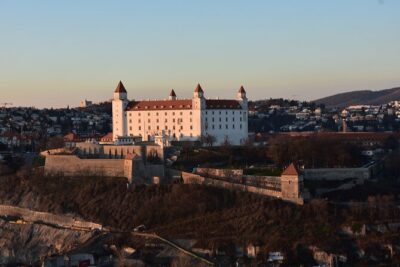
Next, you walk by the northern facade of the Buda Castle. This is the part where the tour starts to feel like visual architecture practice. Facades can be tricky in person because you’re trying to take everything in at once—gaps in perspective, lots of stonework details, and sudden shifts in style.
In the virtual format, you get a helpful advantage: the camera framing is intentional. The gimbal work makes it easier to follow lines, angles, and how the building’s face relates to the street below.
You won’t just hear dates. The guide focuses on how the quarter’s identity evolved, and what survived through upheaval versus what got reshaped through later restoration.
From the royal part to residential streets after sieges and WWII

A key turning point happens when you leave the so-called royal part and step into the residential neighborhood. This is where the tour stops being only about monuments and starts feeling more like a real city walk.
You’ll get time to talk through major themes:
- the first Jewish quarter of Buda,
- siege history,
- and how buildings were restored after WWII.
For me, this segment is the emotional center of the experience. It’s easy to treat Buda Castle as a backdrop for photos. The guide brings you back to the idea that people lived here—through difficult periods—and that restoration shaped more than facades. It shaped the neighborhood’s lived geography.
Also, this is where the guide’s humor and personal touch helps. The story stays engaging without turning into a dry timeline. And that balance matters because it keeps you listening while the camera keeps moving.






Buda hills views and cherry trees, depending on season
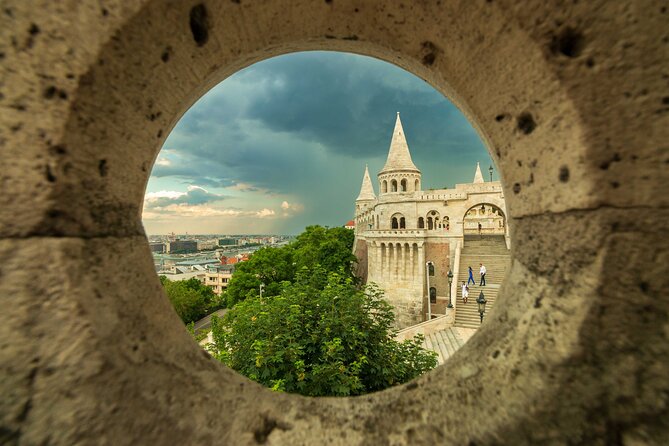
As the walk continues, you shift into a viewpoint mode—especially toward the Buda hills. Depending on when you book, you might be able to enjoy the blooming of 110 cherry trees.
I like this kind of seasonal detail because it gives you a reason to repeat. You’re not only seeing the same route; you’re watching how the atmosphere changes when the neighborhood turns from stone-and-shadow to something softer and more alive.
If your travel dates are flexible, consider timing your session with the natural rhythm of Budapest. Even if you can’t control bloom windows precisely, this tour gives you a built-in “season check” so you know what might be visually available during your session.
Matthias Church to Fisherman’s Bastion: the view build-up
On the way to the big finale, you walk by Matthias Church. This stop is valuable because it gives you a strong landmark right before you hit the open viewpoint. In other words, it helps you switch gears from close architectural details to broad, city-wide perspective.
Then you move onward to Fisherman’s Bastion, where the energy changes again. Instead of passing facades, you’re led to a viewpoint that looks across toward Pest. The guide uses the moment to connect what you’re seeing with the quarter’s role in the city’s overall geography.
This is where the tour becomes especially satisfying if you’re planning a future Budapest trip. You’re not just seeing a pretty view—you’re learning how the castle district sits above the city and why the viewpoint matters.
Fisherman’s Bastion wrap-up with Q&A
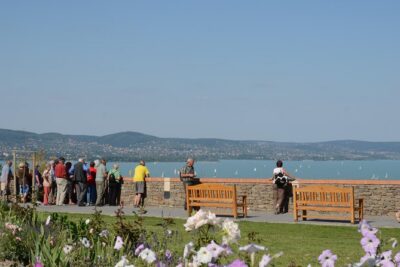
The tour concludes at Fisherman’s Bastion. You spend time admiring the views of Pest and then get a wrap-up with Q&A.
Two things I appreciate here:
1) The end is structured. You don’t just get dropped into the “final view and goodbye” category.
2) You can ask practical questions while the landmark is still in front of you on your screen.
One detail to note: the Fisherman’s Bastion stop specifically lists that an admission ticket is not included. If you’re thinking about visiting in person later, budget for any site entry needs that apply on the day you go.
Cinematic visuals in a live setting (and why it matters)
The tour’s production choices are not just for show. They solve real problems common to virtual walks.
A gimbal helps keep motion smooth, which makes it easier to track:
- building proportions,
- skyline lines,
- and the relationship between viewpoints.
The live streaming setup also changes the feel. You can ask questions, and the guide can adjust their pace. It’s not pre-recorded. That’s why shorter tours like this one can still feel thoughtful: you’re not waiting through fixed segments that don’t match your interests.
From the experience, you should also expect historic visuals to be part of the storytelling. The guide uses historic pictures while you’re looking at the current scenes, so you can compare what changed and what endured.
English delivery and private group format
This is offered in English, and it’s set up as a private tour/activity. That means only your group participates.
For you, that’s useful if:
- you want a quieter pace,
- you have a family group,
- or you just prefer not to compete for attention in a shared format.
The tour is also designed so most travelers can participate, and service animals are allowed.
If you’re traveling with mixed ages, I’d think of this as a good choice for getting everyone on the same page about the Buda Castle quarter without anyone having to hike up and down slopes for hours.
Price and value: $180.62 per group up to 15
The price is listed as $180.62 per group (up to 15) for about 1 hour.
Is that “worth it”? It depends on how you’re thinking about value:
- If you go as a small group, it can feel pricey per person. But you’re paying for a live guide plus a cinematic production approach.
- If you go closer to the maximum group size, the per-person cost drops a lot. With a full group, you’re effectively paying about $12 per person for an hour-long, guided, visual orientation experience.
What makes it feel fair to me is the combination of:
- real-time guide interaction (Q&A),
- strong visuals designed for the architecture and viewpoints,
- and the route’s focus on how the quarter evolved, not just what it looks like.
Also, at one hour, it’s easy to fit into a travel schedule. You can do this as a primer before you go explore in person, or as a second pass after you return from walking around on your own.
Who this virtual walk is best for
I’d book this if you want any of the following:
- a guided orientation to Budapest’s Buda Castle quarter without committing to a longer in-person outing,
- an explanation of how the neighborhood changed—royal zone to residential streets, plus siege and WWII restoration themes,
- seasonal context (especially if you’re curious about cherry bloom timing),
- and a tour led by Adam, with engaging storytelling and a sense of humor.
It’s also a good choice if you’re short on time. You still get the full “route arc”: Alexander Palace area context, northern facade, the residential transition, Matthias Church, and then Fisherman’s Bastion views over Pest.
If you need a lot of time to take photos without stopping, just keep your expectations aligned. The session is built to move and cover key beats in about an hour.
Should you book this Buda Castle virtual tour?
Yes, I think it’s a smart booking—especially if you like your city tours with visuals and clear interpretation.
Book it if you want:
- a guided route that helps you read the Buda Castle quarter,
- cinematic framing that makes architecture and viewpoints easier to follow,
- and a human guide (Adam) who connects the stories to what you’re seeing right now.
Skip it only if you’re looking for a very long experience or you prefer totally unstructured wandering. This is structured for meaning, not for drifting.
If you do book it, I’d consider doing it more than once across seasons or day-versus-night timing, since the tour includes season-dependent details like the cherry trees and treats the viewpoint changes as part of the experience.
FAQ
Where does the tour start and where does it end?
It starts at Sándor Palace, Szent György tér 1, 1014 Hungary, and it ends at Fisherman’s Bastion in Budapest, 1014 Hungary.
How long is the live virtual walking tour?
The duration is about 1 hour.
Is the tour offered in English?
Yes, it’s offered in English.
How much does it cost and how large is the group?
The price is $180.62 per group, with up to 15 people.
What’s included in the tour?
You get a mobile ticket, and the experience uses a video conference system for live streaming and a high-end gimbal for enhanced cinematic feel.
Is this a private tour or shared?
It’s private. Only your group will participate.
Is an admission ticket included for Fisherman’s Bastion?
No. The Fisherman’s Bastion stop notes that an admission ticket is not included.
Do I need to book far in advance to get confirmation?
You’ll receive confirmation at booking time unless you book within 3 days of travel. In that case, confirmation arrives within 48 hours, subject to availability.
Does weather affect the tour?
Yes, it requires good weather. If it’s canceled due to poor weather, you’ll be offered a different date or a full refund.
Are service animals allowed?
Yes, service animals are allowed.
Can I cancel for a full refund?
Yes. You can cancel up to 24 hours in advance of the experience for a full refund. If you cancel less than 24 hours before, you won’t receive a refund.