REVIEW · BUDAPEST
Half day Budapest city tour by car / minivan
Book on Viator →Operated by Private Sightseeing Tours in Budapest and in Hungary · Bookable on Viator
Four hours, and Budapest makes sense fast. This private half-day tour is built for efficiency, with door-to-door pickup and a smooth air-conditioned car that lets you hit big sights without the stress of navigating traffic. I also like that the guiding is flexible enough to keep the day feeling human, not like a checklist, and you get clear stories as you pass from Pest to Buda.
One catch: most stops are brief, so you’ll look a lot, photograph a lot, and still need to choose what you want to return to for a longer walk.
In This Review
- Key highlights at a glance
- How the private car tour really helps you see Budapest fast
- Andrássy Avenue: a World Heritage boulevard you’ll recognize immediately
- Heroes’ Square: statues, national memory, and a quick but powerful stop
- City Park in one sweep: Vajdahunyad Castle and the House of Music
- Vajdahunyad Castle (built for a 1000-year celebration)
- House of Music Hungary (a newer building with big attention)
- Széchenyi Medicinal Bath and the Opera House: classic Budapest, different moods
- Liberty Square, St. Stephen’s Basilica, and the feeling of central Pest
- Parliament to Chain Bridge: the Danube postcard route, explained
- Matthias Church and Fisherman’s Bastion: Buda Castle views with choices
- Matthias Church (a late Gothic church with restoration stories)
- Fisherman’s Bastion (panorama first, extra tickets optional)
- Gellért Hill and the Citadel: one of Budapest’s best viewpoints
- Gellért Baths and a classic Art Nouveau spa vibe
- Price and what you’re really buying for $141.56
- Who should book this half-day car tour
- Should you book this tour?
- FAQ
- How long is the half-day Budapest city tour?
- Is this tour private or shared?
- Do you offer hotel pickup in Budapest?
- What language is the tour guide?
- What’s included in the price?
- Are entrance fees included?
- Do I get a mobile ticket?
- What start times are available?
- Can I cancel for a full refund?
Key highlights at a glance
- Private guiding with a real driver so you spend your energy on sights, not directions
- Air-conditioned car and bottled water for comfort on a busy half-day
- Short, high-impact stops that work well for first-timers and tight schedules
- Major Pest-to-Buda viewpoints including Parliament area, Chain Bridge, Buda Castle District
- Optional paid interiors where you can choose your pace (no pressure to buy everything)
How the private car tour really helps you see Budapest fast
This is a private half-day tour by car or minivan, and the format matters. Budapest is split by the Danube, with whole worlds of history and architecture on either side. Trying to cover that on foot in one morning or afternoon can turn into sore legs and missed viewpoints. From the start, you’re in a vehicle with a professional guide working alongside your driver, so you get the best of both worlds: motion without chaos, and explanations without having to read every sign.
Pickup is offered from your hotel or other accommodation, which is a big deal in a city where getting to central meeting points can eat up time. And because it’s offered in English, you can ask questions and get direct answers without slowing the group down. You’ll also be using a mobile ticket, which keeps things simple on your phone.
The pace is the key trade-off. You’re not doing “one deep museum.” You’re doing “see it, understand it, and decide what to explore later.” That works especially well if Budapest is your first stop in Hungary, or if you want a strong orientation day before you plan longer visits.
You can also read our reviews of more city tours in Budapest



Andrássy Avenue: a World Heritage boulevard you’ll recognize immediately
Your day starts along Andrássy Avenue, a boulevard linked to the city’s grand historic core. This road dates back to the late 1800s and connects the city center with Heroes’ Square. What you’ll notice right away is the architecture—Neo-Renaissance mansions and townhouses with serious facade drama.
This avenue is a World Heritage Site, and your guide’s job is to make that more than a label. You’ll also see why it’s famous today: it’s a major shopping and cafe strip, with theatres, embassies, and luxury boutiques lining parts of the street. Even if you don’t shop, it helps you understand how Budapest presents itself—imperial style on a modern stage.
If you’re the type who loves photo windows, this is a good moment to pause, look left and right, and snap shots before you move on. The car makes it easy to keep the day moving, and you won’t feel like you’re sprinting between corners.
Heroes’ Square: statues, national memory, and a quick but powerful stop

Heroes’ Square is one of Budapest’s big “you’re in the right place” moments. The statue complex features the Seven chieftains of the Hungarians plus other national leaders, all arranged to project a sense of origin and identity. There’s also the Memorial Stone of Heroes, which connects the square to modern national memory.
This place isn’t just ceremonial. It has hosted major political moments too, including the reburial of Imre Nagy in 1989. That detail is worth hearing while you’re there, because it gives the space a real timeline. You’re not only looking at monuments—you’re seeing how Hungary has chosen to tell its story in stone.
The stop is around 20 minutes, and admission is free for the nearby museum and art gallery areas. That makes the timing sensible: you can get your bearings, take photos, and still move on without feeling rushed.
City Park in one sweep: Vajdahunyad Castle and the House of Music
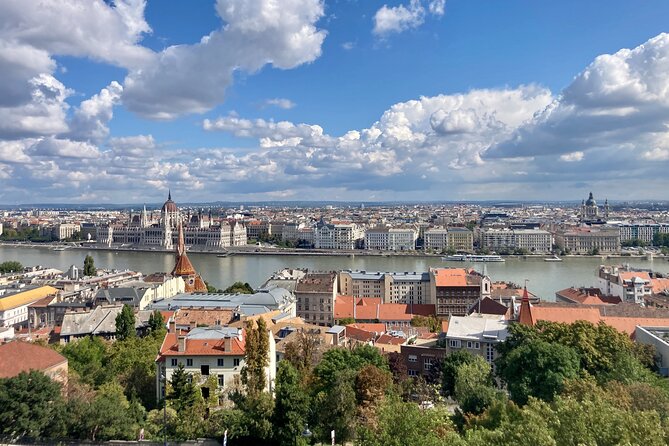
Then you head toward Budapest’s City Park zone, where two very different modern-and-historic attractions sit close enough to fit a short visit.
Vajdahunyad Castle (built for a 1000-year celebration)
Vajdahunyad Castle was built in 1896 for the Millennial Exhibition celebrating 1000 years since the Hungarian Conquest of the Carpathian Basin in 895. The design is intentionally “made of references,” with copies of landmark buildings from across the Kingdom of Hungary. In other words, it’s like a stone map of the country’s architectural imagination.
You’ll only have about 15 minutes, so treat this stop as a viewpoint and a photo moment. If you want to go deeper, you can always plan a separate visit later.





House of Music Hungary (a newer building with big attention)
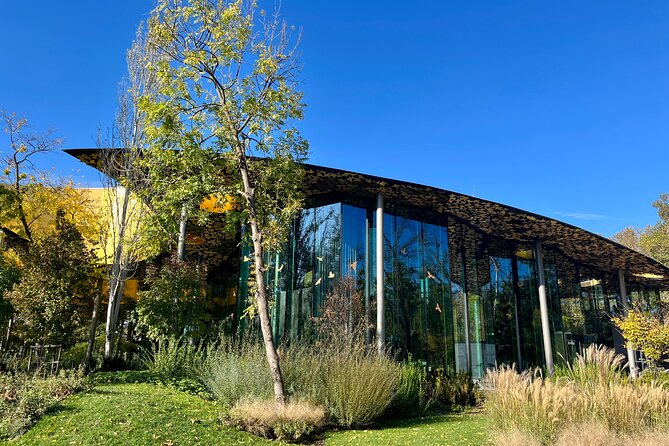
A short hop away is the House of Music Hungary, a music-focused institution that opened in January 2022. It’s tied to the history of music and uses a museum-style exhibition approach. The building itself grabbed major attention because it won an international architecture competition out of 170 projects.
With about 10 minutes here, you’re not touring galleries—you’re absorbing the idea. It’s a good signpost for modern Budapest: the city isn’t stuck only in medieval romance. It keeps building new cultural anchors.
Széchenyi Medicinal Bath and the Opera House: classic Budapest, different moods
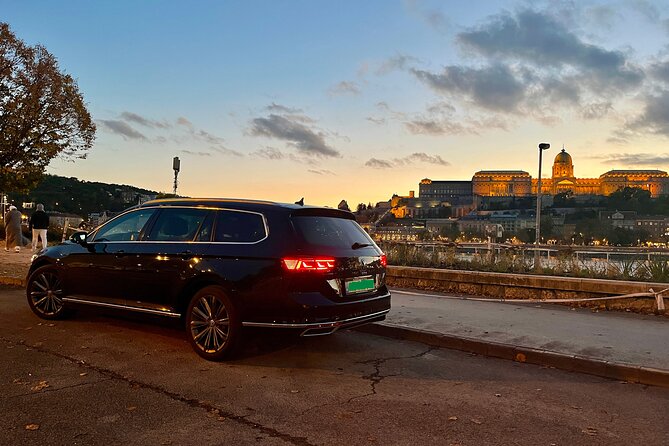
You’ll also pass by the Széchenyi area, including a quick stop at the Széchenyi Medicinal Bath, which is described as the largest medicinal bath in Europe. The water comes from two thermal springs at 74°C and 77°C, which is piping hot in real life. Even if you don’t go in, hearing those numbers makes the place feel alive and serious—this isn’t a casual spa.
At this point, the day leans into Budapest’s signature lifestyle: soaking culture. If baths are your thing, you’ll probably want to schedule more time for them later. But as a visual and contextual stop, it works.
Next up is the Hungarian State Opera House on Andrássy Avenue. It’s a neo-Renaissance opera house in central Budapest, which means it looks dramatic even if you’re just passing by. A 10-minute stop is enough to get the facade and understand how central arts were to Budapest’s identity. If opera schedules don’t line up with your trip, you still come away with the vibe.
Liberty Square, St. Stephen’s Basilica, and the feeling of central Pest
As you move through the center, you’ll stop at Liberty Square in the Lipótváros district. This square blends business and residential life, not just tourist scenery. It’s also where you’ll see the United States Embassy and the Hungarian National Bank nearby, adding a modern civic edge to the historic setting. Some buildings here use Art Nouveau style, so your guide can point out details that you’d otherwise miss from a car window.
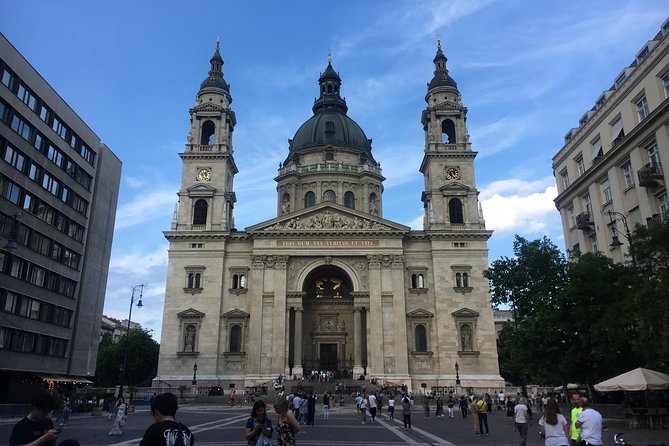
Then there’s St. Stephen’s Basilica, a Roman Catholic basilica named for Stephen, the first King of Hungary. The right hand of that figure is housed in a reliquary, which is the kind of religious detail that turns a big church from scenery into story. It’s also one of Hungary’s largest church buildings today.
Your stop is about 10–15 minutes here, and admission is not included for the basilica. That’s actually helpful: you can decide based on your timing and energy. If the exterior alone is enough for you today, you can skip paid entry and still feel like you covered the key central sights.
Parliament to Chain Bridge: the Danube postcard route, explained
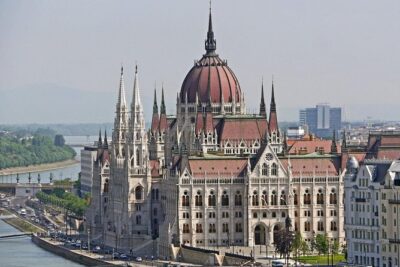
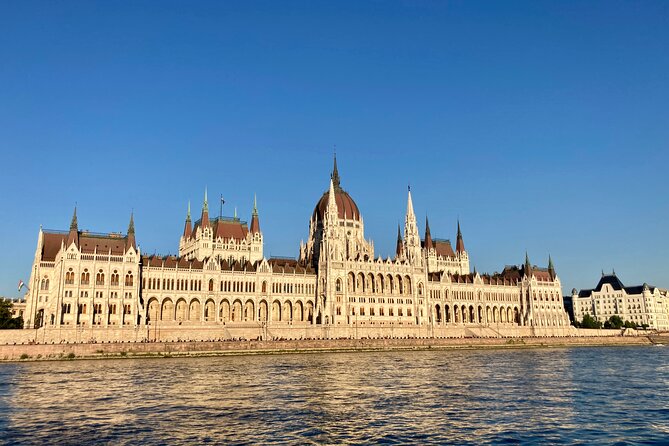
One of the most recognizable moments in this tour is the stop at the Hungarian Parliament Building on the banks of the Danube. It’s the seat of the National Assembly of Hungary and the largest building in Hungary. Even without going inside, it’s hard to miss why it’s such a focal point.
You’ll also pass through the Danube-crossing zone where two signature elements show up:
- Zero Kilometre Stone (KM): this 3-meter limestone marker is the reference point for road distances measured to Budapest. It’s small, but it’s a neat way to grasp how a city is mapped and measured in real terms.
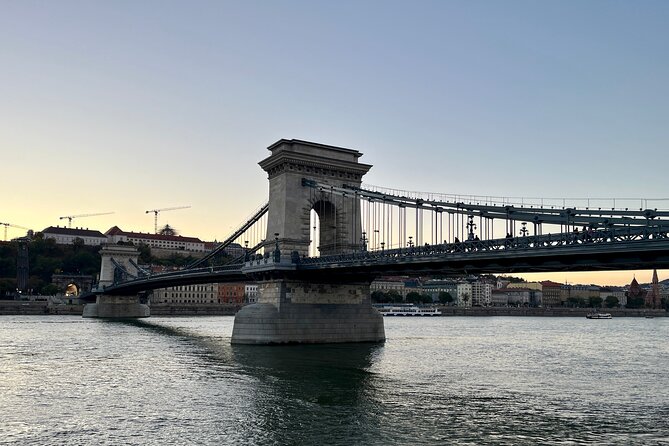
- Széchenyi Chain Bridge: this is the first permanent bridge across the Danube in Hungary, opened in 1849. It’s designed by English engineer William Tierney Clark and built by Scottish engineer Adam Clark.
These stops are short, but they help you understand why the river matters. Budapest isn’t one city; it’s two halves connected by a long history of engineering and political symbolism. A quick explanation here makes the photos later much more meaningful.
You’ll also see the route continue toward the Buda side via the bridge area. Margaret Bridge is part of the passing route too, connecting Pest and Buda and linking to Margaret Island recreation space.
Matthias Church and Fisherman’s Bastion: Buda Castle views with choices
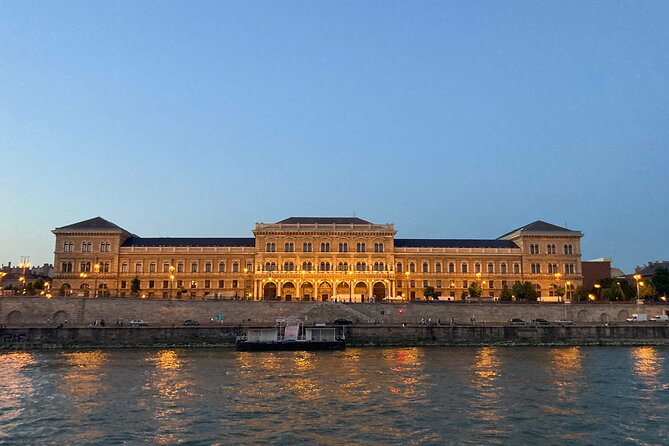
When you reach the Buda Castle District area, the day turns into pure viewpoint time. Two of the biggest draws are next: Matthias Church and Fisherman’s Bastion.
Matthias Church (a late Gothic church with restoration stories)
Matthias Church, officially the Church of the Assumption of the Buda Castle, is known as Matthias Church. The current building is late Gothic from the second half of the 14th century, later restored in the late 1800s. The exterior cues you’re in a special place fast, but the guide’s quick context helps you see why it looks the way it does.
Admission is not included for the interiors, and your stop is about 20 minutes. That means you can decide: do you want inside time, or do you want to focus on the view and the castle district walking atmosphere?
Fisherman’s Bastion (panorama first, extra tickets optional)
Fisherman’s Bastion is famous for its terraces and panoramic views over Budapest. It was built between 1895 and 1902 along the base of Buda Castle walls. The main facade is about 140 meters, and that scale shows when you’re looking down the terrace lines toward the river.
Your stop is about 15 minutes, and admission isn’t included. If you want the best photos, plan to spend a little extra time at the viewpoints during this stop. Even without paid access, you’re likely to feel why it’s one of the top spots in the city.
Gellért Hill and the Citadel: one of Budapest’s best viewpoints
Next, you get to Citadel Lookout on Gellért Hill. The fortification there, known as the Citadella, was built in 1851 by Julius Jacob von Haynau. That background matters because the hill isn’t just a scenic stop; it’s tied to military history and the political control of the region over time.
You’ll have around 20 minutes here, and the stop includes free admission. This is one of the points where you really notice the city’s layout. From up high, Budapest’s structure clicks: river line, bridges, and how the neighborhoods stack.
If you’re the kind of traveler who loves a final big view before heading back to your base, this is a strong candidate.
Gellért Baths and a classic Art Nouveau spa vibe
The tour finishes with St. Gellert Thermal Bath and Swimming Pool, part of the Hotel Gellért. The bath complex was built between 1912 and 1918 in Art Nouveau style (notably the Secession look). Even if you don’t go inside, the architecture makes the place feel like a Budapest institution.
This last stop is about 10 minutes, with free admission for the area stop itself. It’s a satisfying closer if you’ve been curious about how the city turns geothermal energy into everyday culture.
Price and what you’re really buying for $141.56
At $141.56 per person for about 4 hours, you’re paying for three things that are hard to replicate on your own: private guiding, private transport, and the time savings of being picked up and dropped in a tight loop.
For a first-timer, this price can feel fair because the tour compresses a lot of top-tier sights into one day: Heroes’ Square, City Park, Opera, Parliament, a Chain Bridge connection, Buda Castle viewpoints, and a major viewpoint on Gellért Hill. That’s the value. You’re not just buying rides. You’re buying context delivered in motion.
You also control the cost of entrances. Key church and view sites list optional fees, such as St. Stephen’s Basilica, Matthias Church, and Fisherman’s Bastion. Admission is not included for some interiors, so you can decide how much you want to add on. If you skip a paid interior or two, you keep the experience comfortable for your budget while still hitting the essentials.
If your group is small and you want your own pacing, private transport usually becomes a smart move. If you’re traveling solo, the cost is still easier to justify when you’d otherwise lose time piecing together buses, trams, or rides to cover Pest and Buda effectively.
Who should book this half-day car tour
This works best if you’re:
- In Budapest for a short stay and want a fast, organized orientation
- Visiting for the first time and want the big “must-see” sights explained
- Short on energy and want an air-conditioned car loop instead of long walks
- Traveling with mixed interests, where some people want photos and others want history context
It also helps if you like asking questions. The guide examples that come up include Gergely Szabó, Gregory, and Gabriel, and the common thread is that they answer questions beyond the obvious and keep the storytelling clear. One guide style that seems especially useful on a short timeline is flexibility—adjusting the emphasis based on what you already saw or what you’re most excited about. That might mean prioritizing views over interiors, or adding a small food stop if it fits your interests and time.
Should you book this tour?
Yes, if you want maximum Budapest per hour without turning your trip into a logistical puzzle. The private setup, pickup from your accommodation, and quick stops at the city’s headline sights make it a strong “first day” choice. You’ll leave with a solid mental map of Pest and Buda—and you’ll know what to come back for next.
Skip it only if you want long museum time and slow wandering as the main activity. With short stops and lots of driving between them, this is more about getting your bearings and understanding the city’s main landmarks than it is about deep, uninterrupted exploration.
FAQ
How long is the half-day Budapest city tour?
It runs for about 4 hours.
Is this tour private or shared?
It’s a private tour. Only your group participates.
Do you offer hotel pickup in Budapest?
Yes. The tour can start from any hotel or other accommodation type in Budapest.
What language is the tour guide?
The tour is offered in English.
What’s included in the price?
Private tour guiding, private transportation, door-to-door service, bottled water, and an air-conditioned vehicle.
Are entrance fees included?
No. Entrance fees are not included. Some optional interior visits require extra payment, such as St. Stephen’s Basilica, Matthias Church, and the upper floor of Fisherman’s Bastion.
Do I get a mobile ticket?
Yes. A mobile ticket is included.
What start times are available?
The tour offers a wide range of start times to fit your schedule.
Can I cancel for a full refund?
Yes. Free cancellation is available if you cancel up to 24 hours in advance for a full refund. If you cancel less than 24 hours before the start time, the amount paid is not refunded.