REVIEW · BUDAPEST
Budapest: Memento Park and Icons of Communism Guided Tour
Book on GetYourGuide →Operated by Licensed guide & driver · Bookable on GetYourGuide
Stalin’s boots look different with context. On this small-group guided trip from Batthyány tér, you ride in a private car to Budapest’s open-air Memento Park, then walk among 41 communist-era icons with a licensed English guide. You’ll also get back into the city the same way, without the hassle of figuring out transit.
I love how close you get to the communist monuments—up close, they stop feeling like abstract history and start feeling like a message meant to control people. And I really value the presence of a guide like Victor, praised for making the story clear and human, with help for photos. The one possible drawback: this is a heavy topic about propaganda, intimidation, and the Soviet-backed security system, so it won’t feel cheerful.
In This Review
- Key things to know before you go
- Why Memento Park hits harder than you expect
- Meeting at Batthyány tér and the ride out to the park
- The guided walk at Memento Park: statues, plaques, and real context
- What you’ll notice as you walk
- Stalin’s Grandstand and the Boots of Stalin moment
- Propaganda, the secret police, and how intimidation worked
- The drive back to the city: quick scenic extras you might get
- Price and value: is $63 worth it?
- Who this tour is best for (and who should think twice)
- Getting the most out of it: a quick checklist
- Should you book this Memento Park communism tour?
- FAQ
- Where do I meet for the tour?
- How long is the tour?
- Is this tour in English?
- What group size should I expect?
- Do I get transport to and from Memento Park?
- What’s included in the ticket price?
- What will I see at Memento Park?
- Is there time for photos?
- Do I need to bring food?
Key things to know before you go
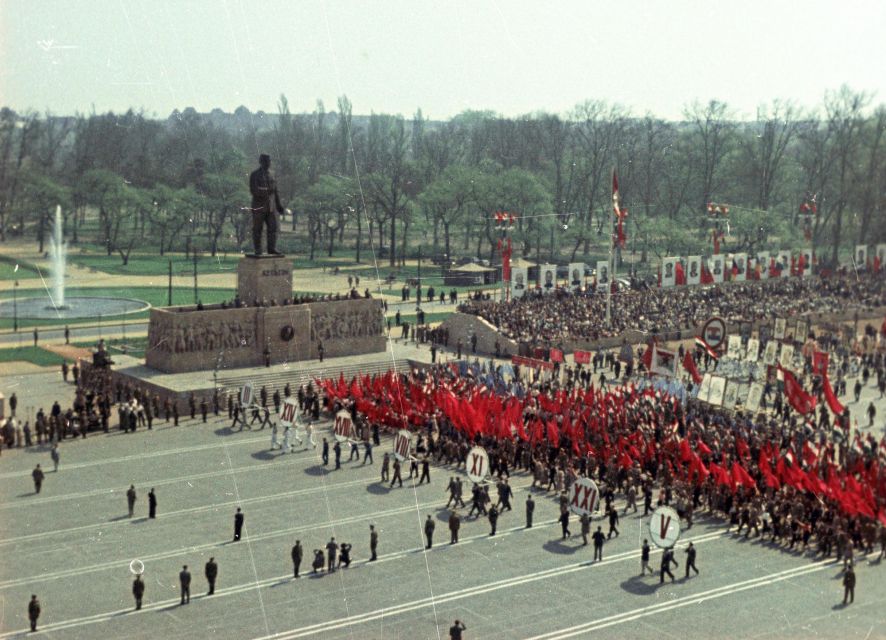
- Open-air museum, not a lecture hall: You’ll walk through an outdoor display of communist statues and plaques, set up for maximum visual impact.
- Stalin’s Grandstand story, with the boots still there: You can stand in front of the area tied to the fallen dictator. Today, only the Boots of Stalin remain.
- You’ll learn how propaganda worked in Hungary: The tour focuses on how ideology became everyday control.
- Small group (max 7) makes it easier to ask questions: The pace feels personal, not rushed.
- Victor-style guiding and photo help: The guide will happily help take pictures so you can end up in the frame near the monuments.
- All-in value for a 3-hour slot: Transport to-and-from the park plus entry tickets and a licensed English guide are part of the price.
Why Memento Park hits harder than you expect
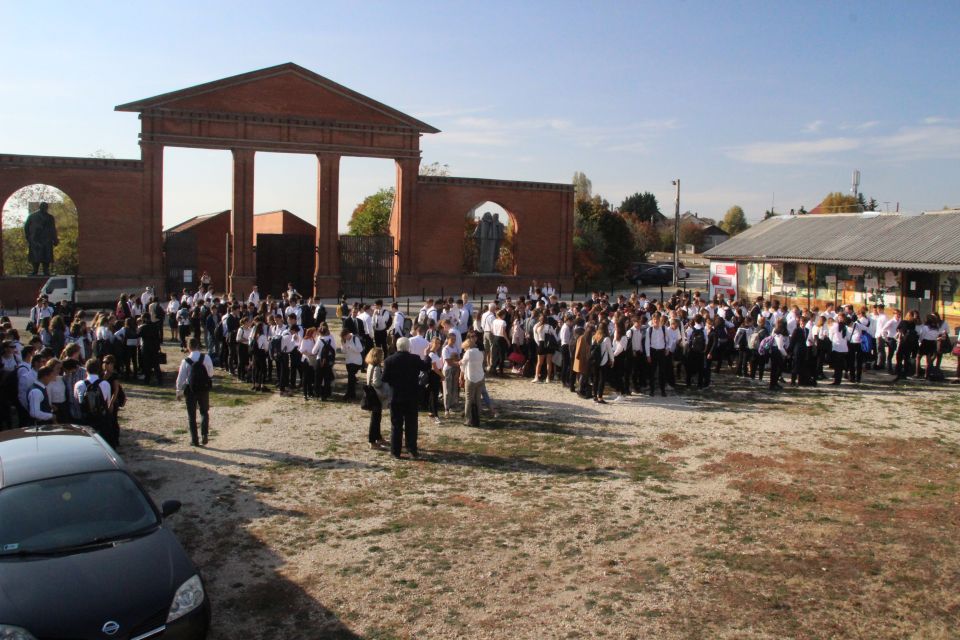
Memento Park isn’t trying to be subtle. This is the point. In a regular museum, power sits behind ropes and labels. Here, the message comes at you through scale—gigantic stone figures meant to dominate a public space.
You’ll see statues and plaques connected to Hungary’s communist period, placed after the system fell. The park is built around the idea that visuals can teach politics: it shows how monumental art can act like propaganda, not just decoration. And because it’s open-air, you really feel the environment. It’s not just reading about the past. You’re standing where that imagery was designed to be seen.
Two things make the experience especially worthwhile. First, you get to see the “icons” up close—people like Marx, Engels, and Lenin are part of the display. Second, you don’t just see objects. You get an explanation of what the ideology promised, what it did in practice, and why it mattered in Hungary for decades after World War II.
If you like history that has context—political power, messaging, and the effect on ordinary life—this is the kind of tour that makes those connections fast.
You can also read our reviews of more guided tours in Budapest


Meeting at Batthyány tér and the ride out to the park
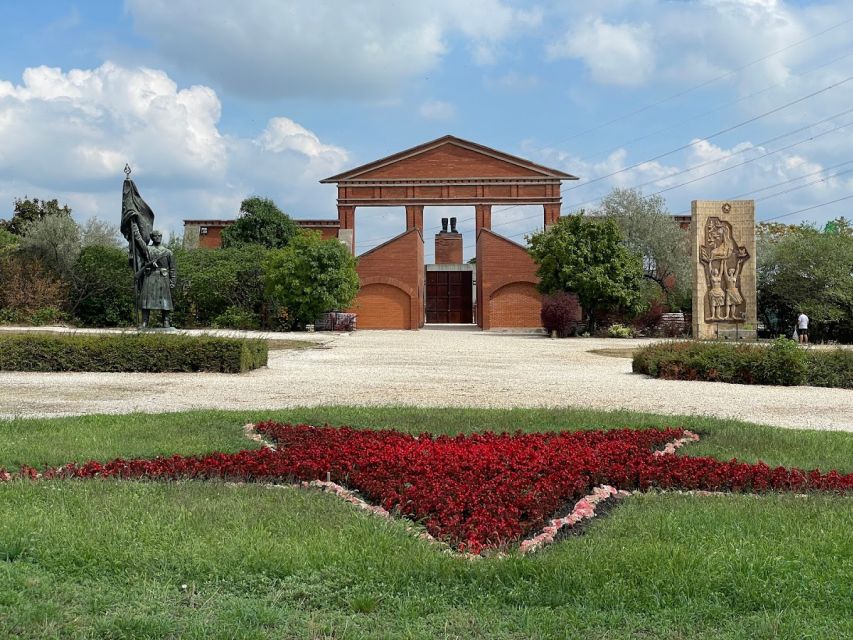
You start at Batthyány Square, right by the Danube. The tour meets in front of the St. Anne church (the one with two towers), and it’s easy to reach by Metro line 2 or trams 19 or 41.
Then the logistics do you a favor. You’re picked up and taken to Memento Park by private car—about 10 miles (16 km) out of central Budapest. The ride time is about 45 minutes each way, which matters because it keeps the tour compact. You’re not spending half the day commuting.
I like that the car is part of the experience. It means you arrive without stress, and you don’t have to worry about figuring out schedules or routes once you’re ready to learn.
Also, the comfort details matter. One guide-led car is described as extremely clean and comfortable, which you’ll appreciate if you’re traveling with teenagers or just want a smooth, no-drama day.
The guided walk at Memento Park: statues, plaques, and real context
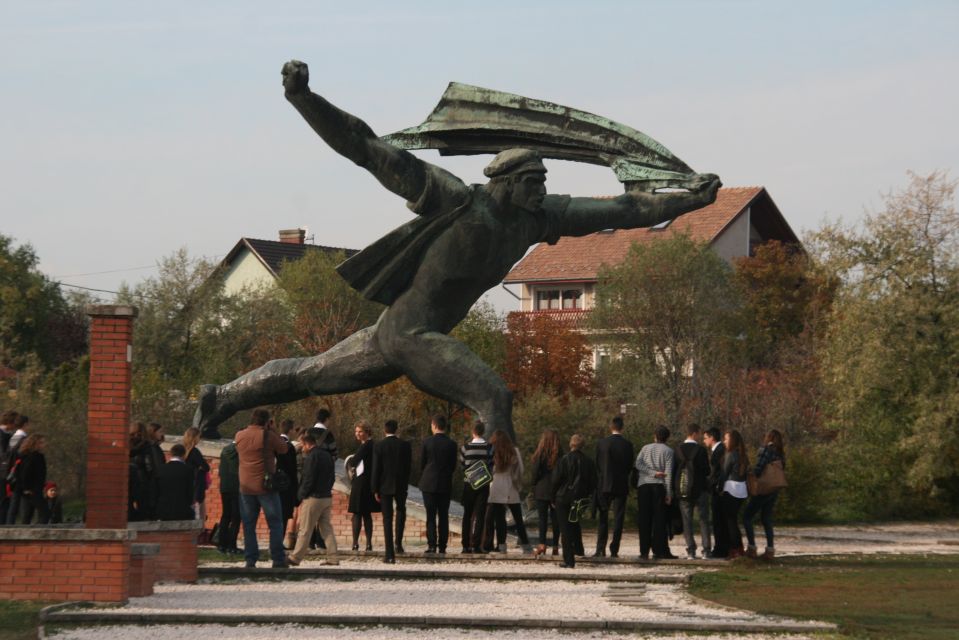
At Memento Park, you’ll join a guided portion and then get free time to look around on your own. The park visit is roughly 1.5 hours total for the on-site portion, including guided walking and your own time to absorb.
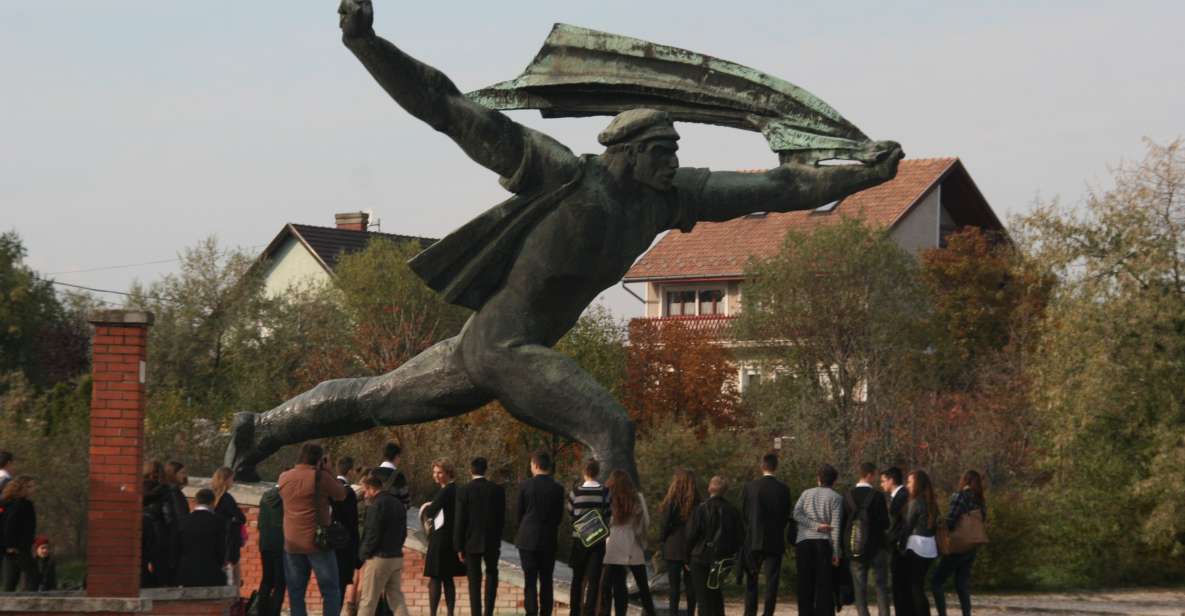
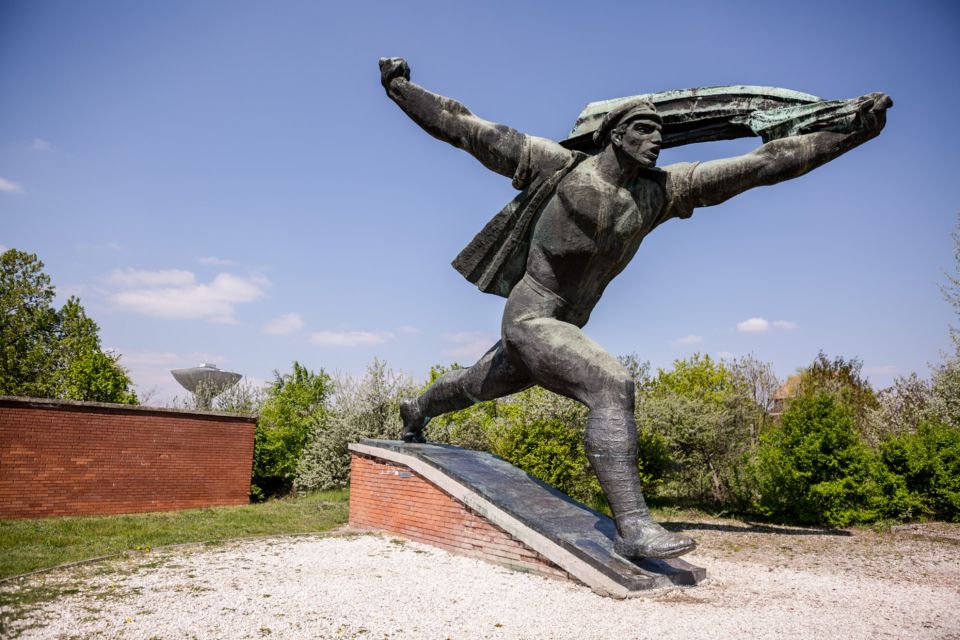
The display is centered on 41 statues/icons tied to the communist era. That includes major thinkers and leaders such as Marx, Engels, and Lenin. You’ll also see the kind of plaques and information that help connect the figures to what the regime was trying to sell.
What makes the guide’s job important here is that the park can otherwise feel like a photo set. The tour brings it back to cause and effect: how communist rule changed daily life, how it altered the rule of law, and how a propaganda machine shaped public understanding.
You’ll hear the bigger story too: why communism had a “fit” in Hungary after World War II, and how ideas from Marx turned into something like a nightmare for millions. The tour doesn’t treat ideology as theory. It treats it as a system with consequences.
What you’ll notice as you walk
Even without the lecture part, the park is visually organized around power and intimidation. The statues are massive. The sight lines are designed. Standing there, it’s easier to understand why authoritarian regimes use monuments—they want people to feel small.
Your guide helps you read that feeling. You’re not just looking at faces carved in stone. You’re learning why those faces were chosen, why they were installed, and how the whole setup worked as messaging.
Stalin’s Grandstand and the Boots of Stalin moment
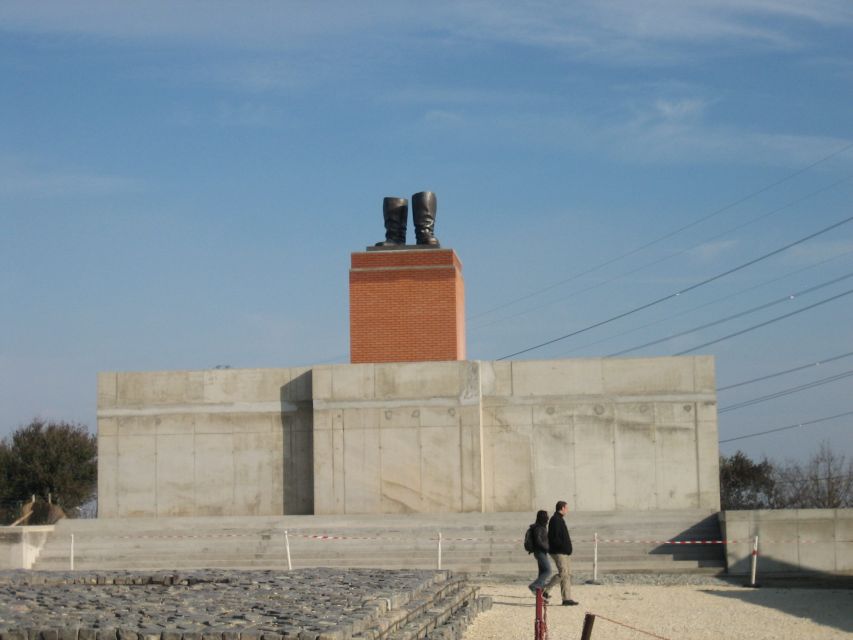
If there’s one stopping point that defines Memento Park, it’s the area tied to Stalin. You’ll learn about Stalin’s Grandstand—and the story of how angry Hungarians pulled down the hated dictator’s statue.
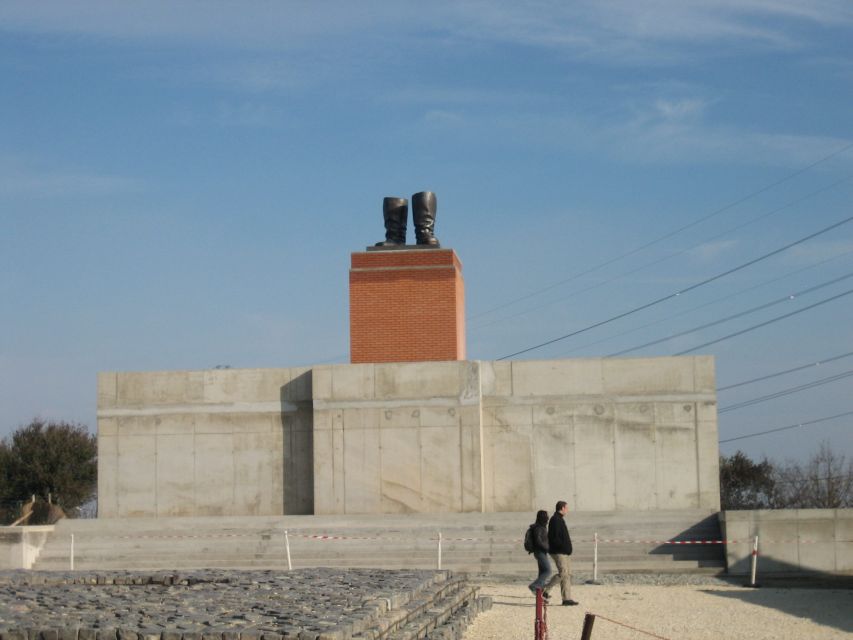
Today, you won’t see the full monument. Instead, the iconic symbol left behind is the Boots of Stalin. It’s a strange twist of history: the boots remain, and the rest doesn’t. That contrast lands because it forces you to think about what outlasts power—its symbolism, its fear, and the residue of what people fought against.
This is also where the photo part becomes meaningful. You’ll have time to take pictures of the statues and the display, and the guide will even help with photos so you can be in the scene. The tour’s photo rhythm is built into the experience, not treated as an afterthought.
Practical tip: wear shoes you can stand in for a bit. You’ll do walking on a site designed for outdoors viewing, and you’ll want to linger at the big pieces without feeling rushed.






Propaganda, the secret police, and how intimidation worked
The tour’s strongest thread is the focus on control, not just names. You’ll hear how the communist system manipulated people—how it used messaging to shape what citizens believed was normal, safe, and acceptable.
A key topic is the role of the secret police under Soviet rule. You’ll learn how they recruited new members and how ordinary people could be intimidated. That’s not “fun” history, but it’s essential history.
It’s one thing to know that a regime was authoritarian. It’s another to understand the method. When a guide explains intimidation mechanisms, suddenly the statues aren’t just art. They become part of a system that tried to keep people obedient—visually, legally, and socially.
This is why the guide matters so much. People like Victor are praised for turning what could be dry material into clear explanation, with a friendly style that still respects the topic. Even with the grim subject matter, the tour moves with enough energy to keep you engaged.
The drive back to the city: quick scenic extras you might get
After you finish at Memento Park, you head back by car to Batthyány tér. The return ride is also about 45 minutes.
One nice detail: the guide may include small surprise stops on the way back. In at least one described tour experience, the guide added extra viewpoints near Gellért Hill and the Poets’ Circle. Timing can change, so don’t assume this will happen every time, but it’s a good sign of a guide who cares about making the day feel complete.
If you’re short on time in Budapest, this kind of add-on is a win. It helps you stitch the communist-history experience back into the live city.
Price and value: is $63 worth it?
The price is listed at $63 per person for about 3 hours total, depending on your start time.
For that, you get a lot of “day-of” value:
- Transport to and from Memento Park by private car
- Entry fee to the park
- A live English-speaking licensed guide
- Skip the ticket line
- A small group limited to 7 participants
- A bottle of water
- Photo help at the monuments (free of charge)
Here’s how I’d think about it: you’re paying for context, not just admission. Memento Park can be visited independently, sure. But this tour is designed to explain what you’re seeing—why the icons were installed, what the regime did, and what the symbolism meant. That’s what you’re really buying.
Also, small-group size changes the feel. With a group capped at 7, you’re more likely to get direct answers instead of watching a guide talk into the air.
And with a 4.9 rating from 23 reviews, it’s clearly landing well with people who want history explained in a practical way.
Who this tour is best for (and who should think twice)

This is ideal if you want your Budapest history to be honest and specific:
- You’re interested in communist-era Hungary and how Soviet power shaped daily life
- You like guided context that connects monuments to real events
- You want a compact outing that still feels substantial (about 3 hours total)
It may be less ideal if:
- You’re looking for a relaxed, light walking tour
- You need a topic to be upbeat and gentle—this place is designed to confront how propaganda worked
- You don’t want to spend time outdoors at an open-air site
For most people, though, it’s a standout experience because it answers the question, Why did these statues matter?
Getting the most out of it: a quick checklist
This tour works best if you go in prepared to ask yourself what power tries to show—and what it tries to hide.
Bring:
- Comfortable shoes for walking around outdoor monuments
- A phone/camera you’re happy using in open air
- A willingness to sit with uncomfortable history for a short while
And when you get the chance, ask your guide about the stories tied to the specific icons you’re standing near. The guide will help you understand the names, but also the logic behind the system.
Should you book this Memento Park communism tour?
Yes, if you want a guided visit that explains more than the labels. This is good value for the time you spend—especially because it includes transport, entry, and an English guide in a small group.
Book it if you care about understanding how propaganda, law, and security systems affected real people—not just what communist leaders looked like in stone. It’s also a smart choice if you’d rather skip ticket-line friction and focus on learning.
Skip it only if you truly prefer “happy sights” and don’t want a sobering historical experience. Memento Park is honest. That’s the point.
FAQ
Where do I meet for the tour?
You meet at Batthyány Square, in front of St. Anne church with two towers. It’s near the River Danube. You can reach it by Metro line 2 or trams 19 or 41.
How long is the tour?
The tour runs for 3 hours total. Starting times vary, so you’ll want to check availability.
Is this tour in English?
Yes. The tour includes a live English-speaking licensed guide.
What group size should I expect?
It’s a small group, limited to 7 participants.
Do I get transport to and from Memento Park?
Yes. You’ll be picked up at the meeting point, taken by private car to Memento Park (about 10 miles/16 km), and then returned to Batthyány tér after the visit.
What’s included in the ticket price?
Included are the transport to and from the park, entry fee to Memento Park, a live licensed English guide, skip the ticket line, a bottle of water, and time for photos with guide help.
What will I see at Memento Park?
You’ll see an open-air display with 41 communist-era statues/icons and plaques, including figures such as Marx, Engels, and Lenin. You’ll also hear the story tied to Stalin’s Grandstand and see the Boots of Stalin.
Is there time for photos?
Yes. You’ll have free time at the park, and the guide will help if you want pictures with the monuments.
Do I need to bring food?
Food is not included. The tour provides a bottle of water, so you may want to plan accordingly for meals outside the 3-hour window.