REVIEW · BUDAPEST
Budapest: Guided Food Tour with Wine, Beer, and Shots
Book on GetYourGuide →Operated by Carpe Diem Tours · Bookable on GetYourGuide
Budapest tastes better with a local guide. This District 7 tour starts at Kazinczy Street Synagogue and mixes food with quick-hit context on how Hungarian (and Jewish-Hungarian) traditions shaped what you’ll eat, including pálinka and Tokaji sweet wine. You’ll also hear it all through an upbeat English-speaking guide, with energy people have specifically credited to hosts like Nika and Laura.
I like two things most: the plan is simple, and you don’t have to second-guess where to go or what to order. You get tastings at four Hungarian eateries, plus an itinerary that moves from casual street snacks to more comfortable sit-down dishes. I also like the priority service angle, since it’s built to reduce waiting and keep the group moving.
One thing to consider: if the group is large, communication can get a bit harder and seating may be split, which can make explanations less personal. If you prefer a more intimate pace, it’s worth considering that group size can change how comfortable it feels.
In This Review
- Key highlights at a glance
- Food-a-pest time: starting at Kazinczy Street Synagogue
- Walking District 7 with a plan, not a map
- Lángos and Hungarian soup: the hands-on comfort-food start
- From party streets to sit-down classics: nokedli and flódni
- Sweet Tokaji wine, beer, and shots: how the drinks are used
- Does it actually fill you up? Portion size and pace
- Guides make it or break it: the people behind the plates
- Food rules and substitutions: what you need to know upfront
- Price and value: why $69 can feel fair (or not)
- Practical tips so you enjoy every stop
- Who should book this Budapest District 7 tour
- Should you book it?
- FAQ
- FAQ
- How long is the Budapest food tour?
- What is the price per person?
- Where does the tour start?
- Is the tour guide language English?
- What food is included?
- Are drinks included?
- Does the tour accommodate vegan or gluten-free diets?
- Are vegetarian options available?
- Is there priority service or arranged entry?
- What should I bring?
Key highlights at a glance
- District 7 focus: Jewish Quarter roots start at Kazinczy Street Synagogue, then the walk continues through the neighborhood.
- Street food plus sit-down plates: You’ll try hands-on bites like lángos, then move to Hungarian classics.
- Real Hungarian drinks included: wine, beer, and shots, with options that can include pálinka and sweet Tokaji wine.
- Priority entry: the tour handles entry so you spend time eating, not queuing.
- Vegetarian options possible: vegetarian can work, but gluten-free and vegan are not accommodated right now.
- Guide recommendations after: you’ll leave with practical ideas for where to eat next.
Food-a-pest time: starting at Kazinczy Street Synagogue
The tour begins at Kazinczy Street Synagogue, a strong choice because it sets the tone right away. Hungarian food isn’t one flat style; it’s shaped by layers of history, and the Jewish influence shows up in the way certain dishes and sweets became part of everyday eating.
I like that the tour doesn’t treat history like homework. It uses the location as a shortcut to understanding why you’ll see flavors like pastry traditions and classic comfort-food combinations later on.
You can also read our reviews of more food & drink experiences in Budapest


Walking District 7 with a plan, not a map

District 7 is where you’ll feel the city’s old rhythms. You’ll get a guided exploration of the Jewish Quarter and then head toward Andrassy Avenue, with a structure that keeps the walk purposeful rather than just scenic.
This matters because Budapest can be deceptively easy to over-plan. With a guided route, you’re not trying to time your meals between opening hours, and you’re more likely to hit the right style of places—especially when the best local eats aren’t obvious from the street.
Lángos and Hungarian soup: the hands-on comfort-food start

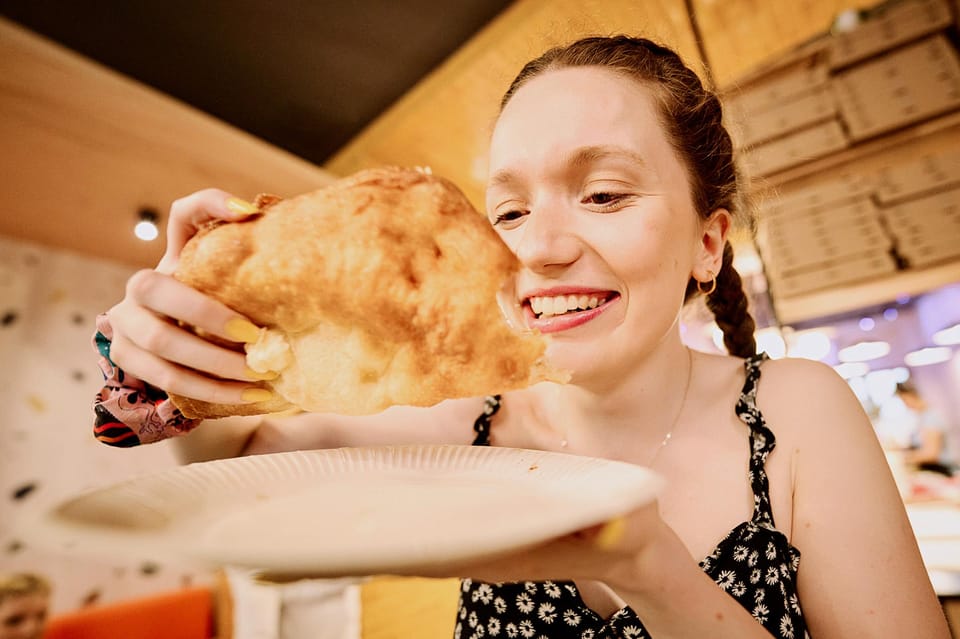
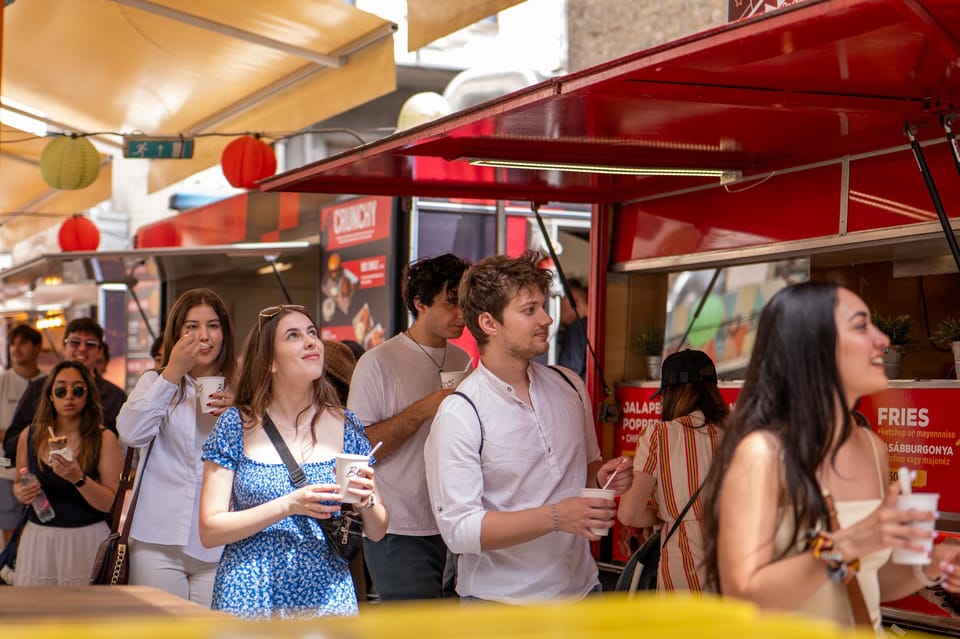
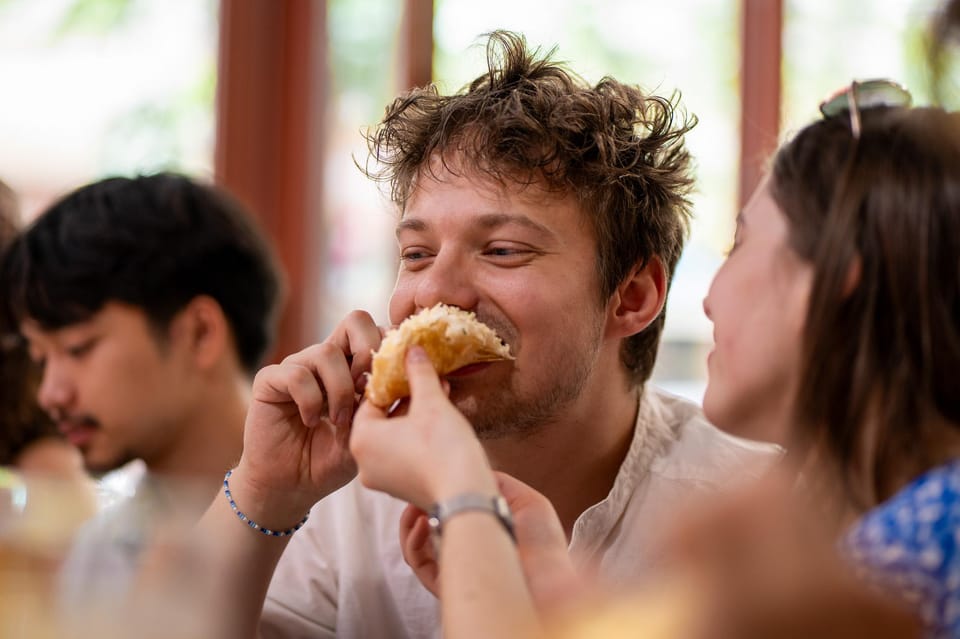
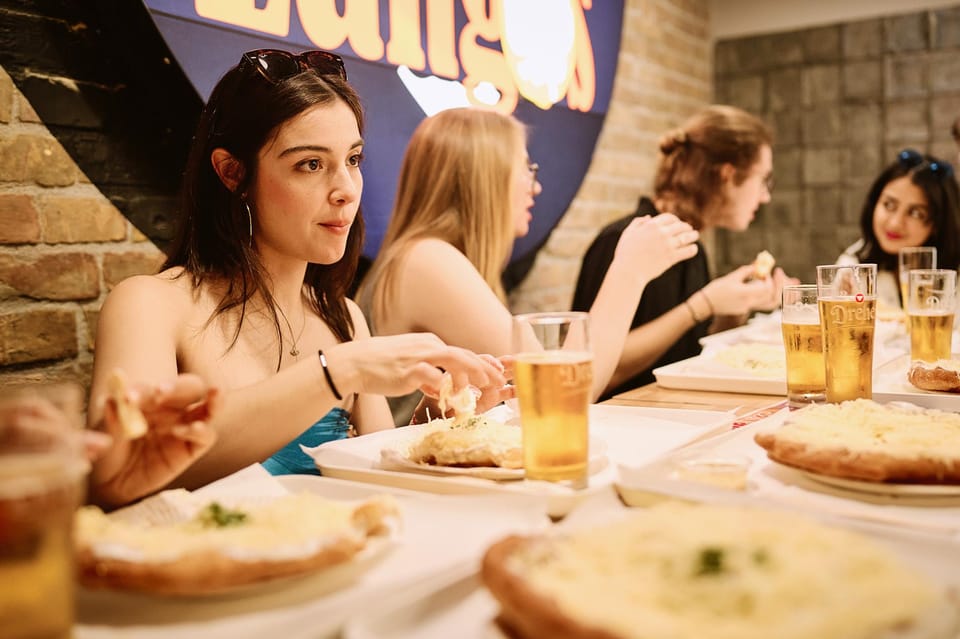
One early stop focuses on street food, and it’s one of the best parts for first-timers. You’ll get traditional Hungarian soup and lángos, the deep-fried flatbread that you eat without utensils—very much a hands and appetite situation.
If you usually hesitate with street food, this is a good on-ramp because the guide keeps the order and timing under control. You’ll learn what to look for in flavor and texture, not just how much to eat. And since the tour starts casual, you build confidence before you sit down for the more layered dishes.
From party streets to sit-down classics: nokedli and flódni
After the street-snack phase, the tour shifts to fancier spots for a sit-down meal. This is where Hungarian comfort food gets its full voice.
You’ll try nokedli dumplings, a staple that shows up when people talk about Hungarian food the way they talk about home cooking. And you’ll also get flódni, a Jewish-Hungarian pastry that’s a real clue to how cultures mix over time. The pastry side is a great reminder that Hungarian cuisine isn’t only heavy mains; it also has structured, dessert-forward traditions.
Sweet Tokaji wine, beer, and shots: how the drinks are used
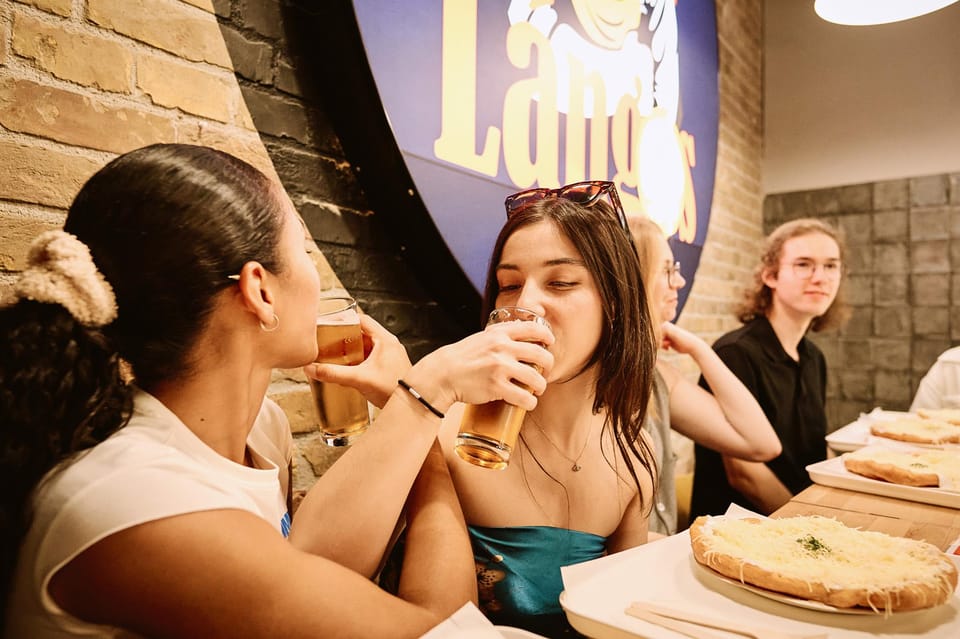
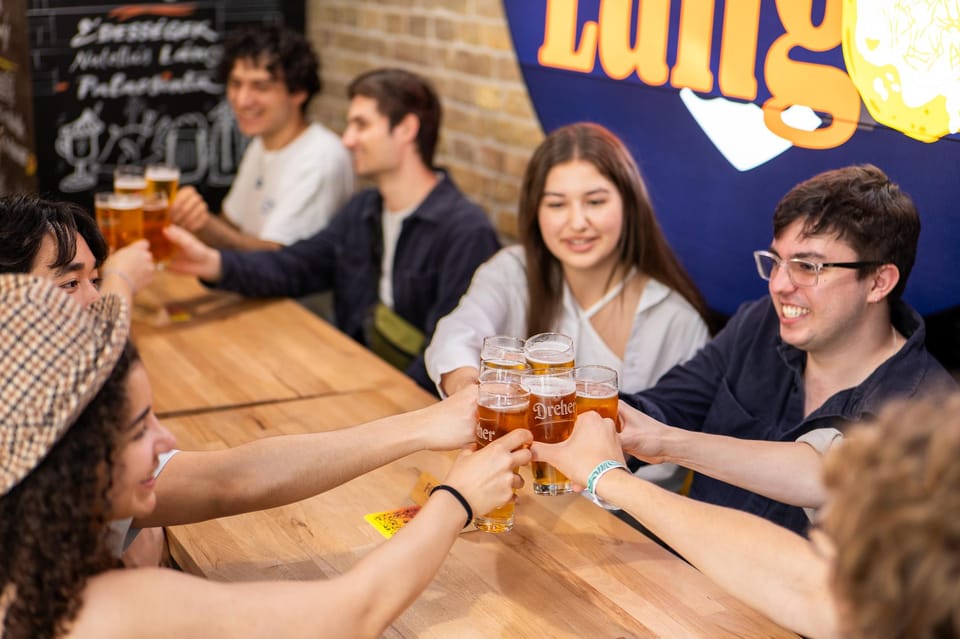
This tour includes three alcoholic beverages—wine, beer, and shots—so it’s aimed at people who want food plus the full taste of Hungarian drinking culture. Pálinka is one of the spirits that’s commonly part of the experience here, and sweet wine from Tokaji is another highlight.
What I like is that the tour also mentions alcohol-free options. That’s a practical detail for groups, especially if you’re traveling with someone who doesn’t drink or if you just don’t want to spend 2.5 hours in full-on alcohol mode. In either case, the tastings are still designed to match the meal progression rather than feeling like random pours.
You can also read our reviews of more tours and experiences in Budapest






Does it actually fill you up? Portion size and pace
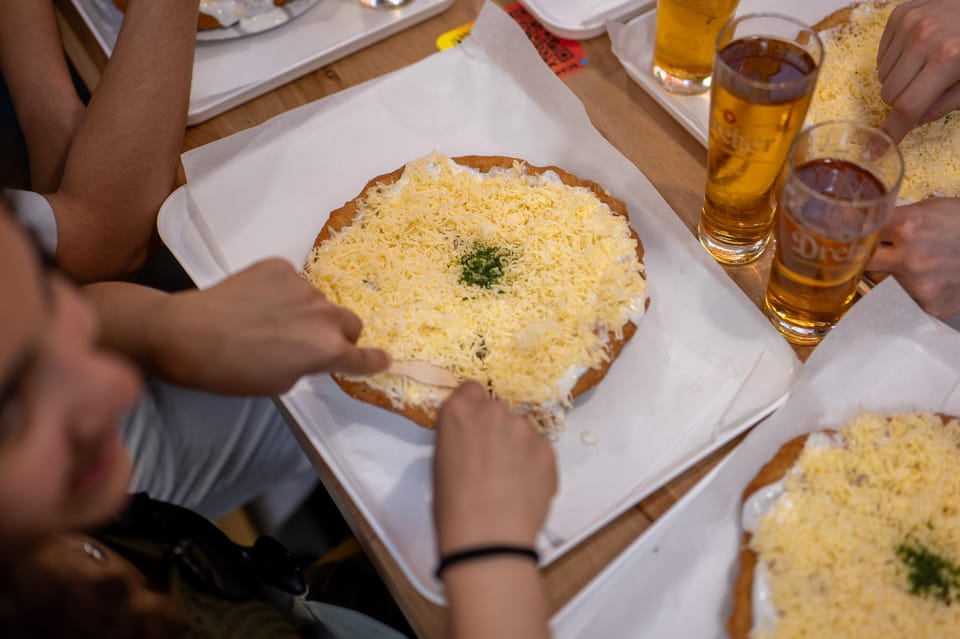
For a 2.5-hour tour, you’re not getting tiny bites. The structure is built around multiple tastings at four eateries, with enough food that many people report leaving full—more than full, in some cases.
The pacing also matters. You’ll move from hands-on street food to sit-down dishes, so the experience doesn’t drag. Still, if you end up in a larger group, you might notice slower communication at certain stops and some explanations may get repeated or delivered to separate seating areas. If you hate feeling rushed or lost, it’s worth going into it with the expectation that group size can affect how personal the experience feels.
Guides make it or break it: the people behind the plates

A big reason this tour gets high marks is the guide energy. Guides including Agnes, Kelly, Laura, Kitty, Peter, Nika, Catie, and Eszti are all named in feedback, and the pattern is consistent: people describe guides as friendly, attentive, and very willing to share practical next steps.
I especially value the practical side of a good food guide. It’s not just explaining dishes; it’s helping you understand what to try next once the tour ends. You’ll come away with recommendations for where to eat after you’ve tasted the curated lineup.
Food rules and substitutions: what you need to know upfront
If you have dietary restrictions, check early. The tour states it can’t currently accommodate gluten-free or vegan diets. Vegetarian options are available, but they may be fewer than on the original menu—so you’ll want to share needs in advance.
That’s important because food tours live or die by consistency. When a kitchen needs special prep for every stop, it can change timing and portioning. So being upfront helps the tour team do the best version of your plan.
Price and value: why $69 can feel fair (or not)
At $69 per person for about 2.5 hours, you’re paying for more than food. You’re paying for a guided route through District 7, tastings at four eateries, and organized entry with priority service. You’re also getting three included drinks.
If you tried to recreate this on your own, you’d likely spend time figuring out where to go, what to order, and whether each place can handle a group quickly. The tour’s value is in that time saved and in getting access to places you might not find without local help—especially for the pastry and drink-focused parts of the lineup.
Practical tips so you enjoy every stop
Arrive hungry. Even if you think you’ll pace yourself, the tour is structured with multiple tastings. Wear shoes that handle walking through District 7 comfortably, and plan for a mix of street-style eating and sit-down dining.
Bring a passport or ID card, since that’s listed as a requirement. Also, if you’re picky about alcohol, decide ahead of time whether you want full pours or the alcohol-free alternatives so the guide can steer you confidently.
Who should book this Budapest District 7 tour
Book it if you want:
- A guided way to eat through Hungarian classics without guessing menus
- A District 7 introduction that starts at Kazinczy Street Synagogue and keeps walking purposeful
- A mix of street food and sit-down dishes like lángos, nokedli, and flódni
- Included drinks, including options that can include pálinka and Tokaji sweet wine
Skip it (or be cautious) if:
- You need gluten-free or vegan accommodations
- You strongly prefer small-group guiding, since larger groups can affect how clearly explanations land at each stop
- You want a very light tasting only—this tour is designed for you to leave satisfied
Should you book it?
I’d book this tour if you’re in Budapest for a short stay and want maximum flavor per hour. The combination of planned tastings, priority entry, and an organized route through District 7 makes it feel efficient without turning it into a rushed checklist.
If you’re flexible with meat-based and non-gluten needs, you’ll likely enjoy how the menu tells a story—from street snacks to sit-down classics and Hungarian drinking culture. Just go in knowing that the dietary options are limited for gluten-free and vegan guests, and that group size can shift the personal feel of the guiding.
FAQ
FAQ
How long is the Budapest food tour?
The tour lasts 2.5 hours.
What is the price per person?
The price is $69 per person.
Where does the tour start?
The meeting point can vary depending on the option booked, including Kazinczy Street Synagogue or the Jewish Quarter in Budapest.
Is the tour guide language English?
Yes, the tour has a live guide in English.
What food is included?
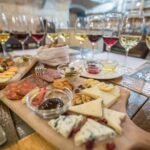
You’ll get food tastings at four Hungarian eateries, including street food items like Hungarian soup and lángos, plus Hungarian classics like nokedli dumplings and flódni.
Are drinks included?
Yes. Three alcoholic beverages are included: wine, beer, and shots. Alcohol-free options are also mentioned as available.
Does the tour accommodate vegan or gluten-free diets?
No. The tour cannot currently accommodate gluten-free or vegan diets.
Are vegetarian options available?
Vegetarian options are available, but there might be fewer options than on the original menu. It’s best to tell them about restrictions in advance.
Is there priority service or arranged entry?
Yes. The tour includes priority service and organised entry at local eateries.
What should I bring?
Bring your passport or ID card.