REVIEW · BUDAPEST
Budapest City Segway / Sightseeing Tours Buda+Pest
Book on Viator →Operated by ABC Segway Tours Budapest · Bookable on Viator
Balconies, bridges, basilicas, zero foot pain. This Budapest City Segway tour is a fast, guided way to see both sides of the river, with quick hops between major sights and story stops along the way. I like that it’s built for real beginners, with a training session before you head out.
I also love how the route feels controlled. The experience is set up with enough space and momentum that many parts run along cycle paths, so you’re not stuck in the thick of foot traffic.
The one thing to consider: if you’re nervous about balance, the first few minutes will feel like learning a new skill. That said, the setup includes helmets, instruction, and a guide who keeps you moving safely.
In This Review
- Key things to know before you ride
- Entering The Segway Game: Training That Actually Works
- Where the Tour Really Saves You Time: Buda + Pest in One Sweep
- Stop By Stop Through Buda: Hills, Royal Views, and Photo Moments
- Head Across the River and Into Grand Central Pest
- Opera, Heroes, and Margaret Island: Big City Meets Park Time
- Baths, Market Hall, and The “How Did This Fit?” Route
- Gellért Hill and the Citadella View Setup
- The Danube Memorial and The Two Bath Stops
- Museums That Add Meaning Without Eating Your Whole Day
- Price and Value: Is $47 a Good Use of Time?
- Safety, Pace, and the Practical Reality of Learning Fast
- Who This Tour Fits Best (and Who Might Skip It)
- Should You Book This Budapest Segway Tour?
- FAQ
- How long is the Segway training?
- How long are the tours?
- Is the tour available in English?
- Is there a group limit?
- What safety gear is included?
- What are the rules for children?
- What’s included in the price, and what costs extra?
- Can I cancel for a full refund?
Key things to know before you ride
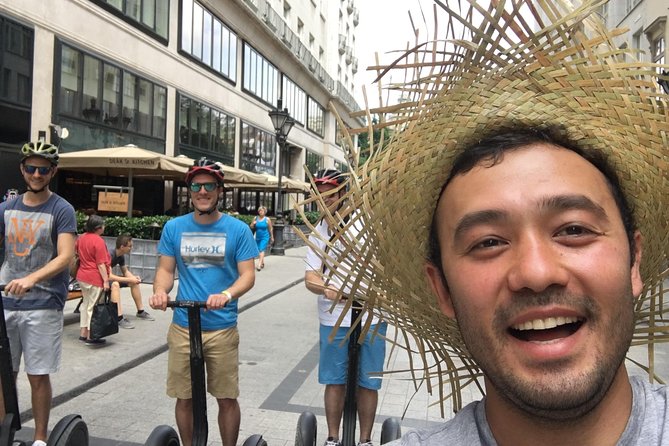
- 15–20 minute training gets you comfortable before you mix into sightseeing pace
- Cycle-path heavy routing makes the experience feel calmer than walking a lot
- Photo and video stops help you get the views without lining up
- Stops across both Buda and Pest mean you see the river, hills, and grand avenues in one go
- Small groups (max 14) keep the ride from turning into a slow, noisy parade
Entering The Segway Game: Training That Actually Works
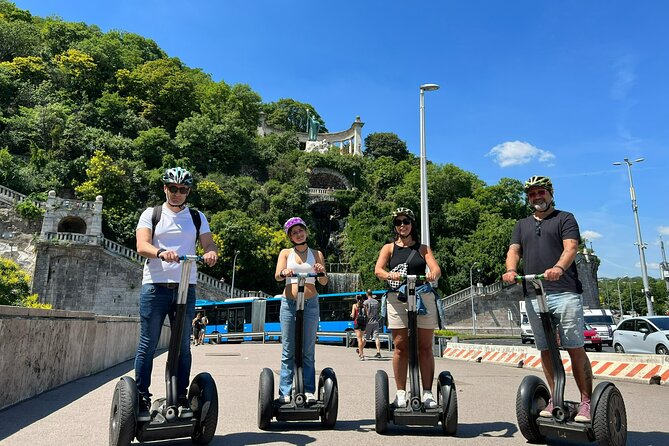
The tour includes a training session of about 15–20 minutes, and that matters more than you’d think. Instead of being thrown onto a bike-lane marathon right away, you practice the basics first: how the Segway responds, how to turn, how to slow down, and how to stay smooth at a sightseeing pace.
You’ll be given helmets (compulsory and included), and the operator also notes that gloves and a raincoat can be provided if needed. That’s a practical touch because Budapest weather can flip. You don’t want your first day on a scooter-like device to be a slipping contest.
One extra detail I appreciate: the tour is designed for most travelers, not just the athletic ones. In the feedback, guides often sound like they focus on safety without killing the fun, and that matches what you want on day one.
You can also read our reviews of more city tours in Budapest


Where the Tour Really Saves You Time: Buda + Pest in One Sweep
The big promise here is simple: see more without wearing your legs out. A walking day across Buda Castle area, down to the Parliament zone, and then back through central Pest can turn into a long series of hills, staircases, and waiting at viewpoints. On a Segway, you keep moving between scenes, which also helps with energy and photo timing.
The tour also offers morning or afternoon departures, so you can match it to your trip rhythm. If you’re the type who wants your biggest “first look” at the city early, morning makes sense. If mornings are booked with museums, afternoon is an easy fit.
Most people pick a shorter option for an introduction. A 2-hour tour comes up as a sweet spot because it’s long enough to cover the essentials and still feels like a highlight, not a full-day commitment.
Group size is capped at 14 travelers, which tends to keep the ride from turning into a slow shuffle. You also start and end at Budapest, Zoltán u. 11, 1054 Hungary, so you’re not dealing with complicated drop-offs.
Stop By Stop Through Buda: Hills, Royal Views, and Photo Moments
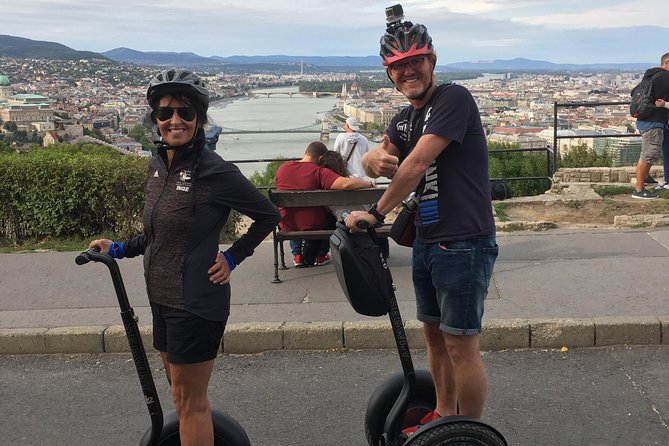
Your ride begins in the Buda side of the story, and the first stops set the tone: quick context, then immediate scenery.
Museum of Military History
You’ll pass the Museum of Military History, with a short stop that’s mainly about orientation. The benefit is that your guide can frame the city beyond postcard views, even when you’re moving fast. There’s no heavy commitment here, just a launch point into Buda’s layered past.
Fisherman’s Bastion
Next comes Fisherman’s Bastion, where your time is brief but your photos can be strong. This is the kind of spot where walking often turns into a crowd crush. On a Segway, you keep things moving and get a clean moment for the skyline angle.
Buda Castle
Then you reach Buda Castle, described as the historical castle and palace complex of the Hungarian kings in Budapest. Even with limited stop time, it helps to connect the “where you are” to the “what you’re seeing,” because Buda Castle isn’t one single building you can casually ignore. It’s a whole complex, and the guide commentary helps it click.
As you move through Buda, you’re also riding the practical advantage of the Segway: the hill viewpoints are close, but climbing on foot can still drain your day. This lets you save your legs for the places where you actually want to walk.
Head Across the River and Into Grand Central Pest
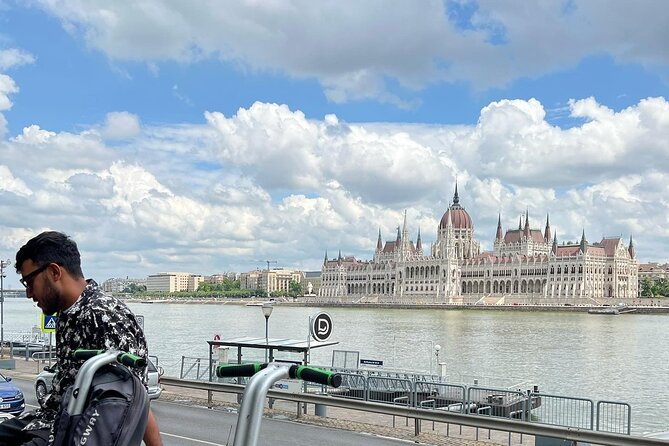
Once you’re on the Pest side rhythm starts to change. The scenery shifts from hill views to big-city architecture and major landmark spacing.
Hungarian Parliament Building
You’ll stop at the Hungarian Parliament Building, then you’re positioned for one of Budapest’s most iconic photo corridors.
Chain Bridge Lion Statues
After that comes the Chain Bridge area, with the lion statues called out specifically. This is one of those classic “walk here and you’ll still miss the best angles” spots. A guided Segway stop can help you hit the key vantage moments without spending all your time weaving through pedestrians.
St. Stephen’s Basilica (with a reliquary detail)
Then you reach Szent Istvan Bazilika, St. Stephen’s Basilica. The description here is unusually useful: it’s named for Stephen, the first King of Hungary, and his right hand is housed in a reliquary. Even if you don’t go inside, knowing that before you look up at the building gives you a hook for what you’re seeing.
Andrássy Avenue
A stop on Andrássy Avenue (Andrássy Út) is where the tour turns into a stroll through style. The avenue is described as upscale, with art nouveau buildings, ritzy shops, and chic eateries, and the State Opera House is highlighted as a grand reminder of earlier times. If you’ve ever seen Paris’s Champs-Élysées or Madrid’s Gran Vía and wished Budapest had its own version, this is the vibe check.
Erzsébet Bridge
The ride continues with Erzsébet Bridge, which acts like a visual connector. Even a short stop helps you absorb the river geography because it changes how you frame everything that comes next.
Opera, Heroes, and Margaret Island: Big City Meets Park Time
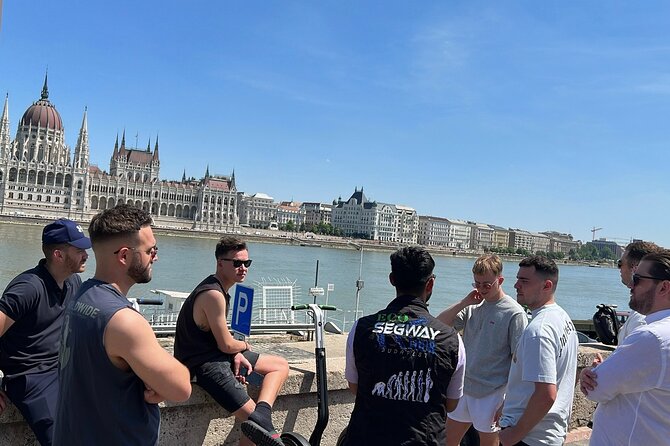
Next you float through a sequence of major central highlights, then soften into green space.
Margaret Island
Margaret Island is a quick stop, but it signals a shift: Budapest isn’t only monuments. You get a sense of how the city breathes through the river. A Segway stop works well here because you’re not stuck fighting for space in a narrow walking path.
Hungarian State Opera House (Magyar Állami Operaház)
Then it’s back to architecture with the Opera House. Even if your interests lean history-first, this building is worth the pause because it’s one of those “you can feel the city’s ambition” landmarks.
Heroes’ Square
Heroes’ Square comes next, a spot that’s often the kind of landmark people rush past. The itinerary time can be brief, but it’s valuable for orientation: you start to understand Budapest’s layout and the way major avenues and civic spaces connect.
Margaret Bridge
You’ll also stop at Margaret Bridge. One specific detail stands out: it was designed by French engineer Ernest Goüin and built between 1872 and 1876. That fact makes your viewing more meaningful because you’re not just seeing a crossing; you’re seeing a specific piece of engineering history.






Baths, Market Hall, and The “How Did This Fit?” Route
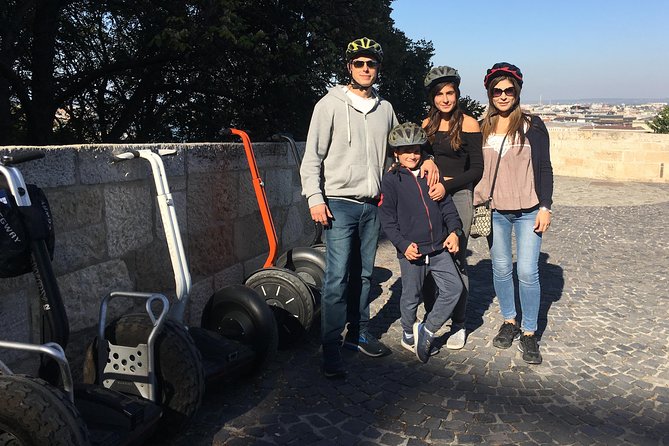
This part is where the tour can feel like it’s cheating time. You hit several places people normally plan as separate outings.
Széchenyi Baths and Pool
You’ll stop at Szechenyi Bath. Even if you don’t plan to soak today, this is a great marker: it tells you the city’s leisure culture is as important as its monuments. Because it’s a short stop, it’s best used for photos and context rather than expecting a full spa experience.
Budapest Eye (Ferris Wheel of Budapest)
A stop at Budapest Eye is a reminder that the city has big “view from above” options. This can be especially helpful for first-timers: after seeing so many landmarks at street level, you’ll understand why a wheel might be worth it later.
Central Market Hall
Then the Central Market Hall enters the frame. Even with limited time, this stop is practical because it puts you near a food and souvenir hub you can revisit later. If you want to plan a tastier follow-up day, this stop helps you locate it quickly.
Matthias Church
Next, Matthias Church appears again in the sequence. Since the tour is built for short stops, it’s a good chance to connect the church to what you’ve already seen in the area. It also sets up what’s next on the Buda/hill side.
Gellért Hill and the Citadella View Setup
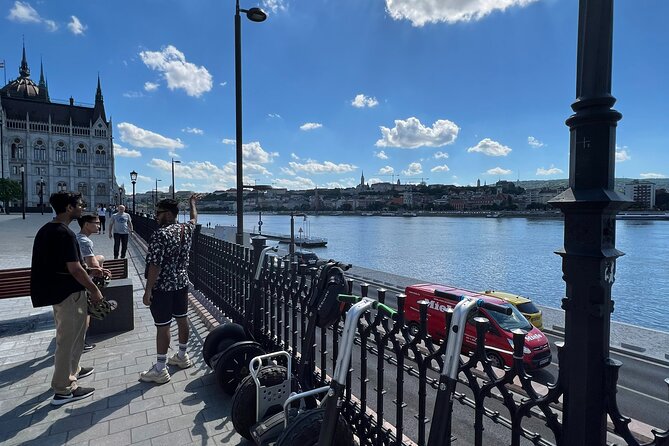
After your central Pest-to-market loop, the route turns toward viewpoints and dramatic edges.
Gellért Hill and Gellért Hill Cave
You’ll stop at Gellert Hill, then also at Gellert Hill Cave. This is one of those sequences where quick stops work because the scenery is the point. Seeing both names in the same stretch helps you realize the hill isn’t just a line on a map; it’s a mini world of viewpoints and features.
Vajdahunyad Castle
Next is Vajdahunyad Castle, another spot that people often treat as a separate visit. Here, it’s more about recognizing the landmark quickly so you can decide later if you want a longer walk-around.
St. Elizabeth Statue
A stop at the St Elizabeth Statue also acts like a waypoint in the scenery. It’s quick, but it helps you understand how Budapest’s public art and grand structures dot the hill zone.
Citadella
Then comes Citadella, described as a 19th-century fortress atop Buda’s Gellért Hill, just west of the Danube. You’ll also stop near a small museum on World War II history and then have a chance for the panorama viewpoint. This is one of the stops where you feel the value of guided timing. The view zones can be crowded or slow on foot, and the Segway keeps the day moving.
The Danube Memorial and The Two Bath Stops
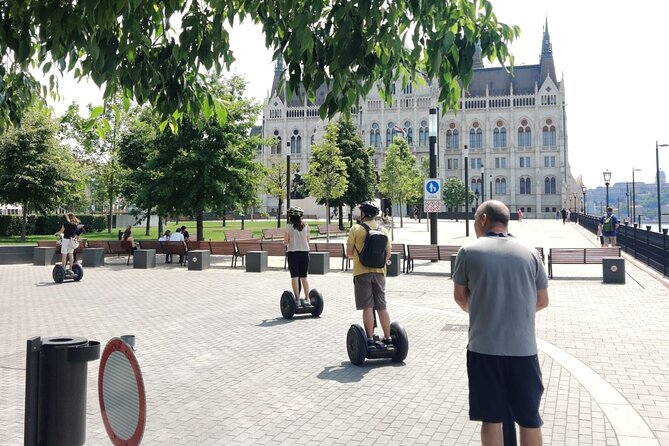
As the tour continues, it adds two emotional, different kinds of stops near the Danube corridor.
Shoes on the Danube Bank
You’ll see the Shoes Memorial. This stop is brief, but it’s an important one because it reminds you that Budapest’s river is also a memorial setting, not only a scenic backdrop.
St. Gellért Thermal Bath and Swimming Pool
After that you reach St. Gellert Thermal Bath and Swimming Pool. Seeing this after the other bath stop (Széchenyi) helps you compare the city’s two bath identities, even if you’re not going inside today. If you’re planning a separate spa morning, this tour helps you pick where you want to go.
Museums That Add Meaning Without Eating Your Whole Day
The final stretch leans into museums and major civic spaces. It’s not a deep-dive, but it’s enough context for you to decide what to study later.
Hungarian National Museum (Magyar Nemzeti Múzeum)
You’ll stop at the Hungarian National Museum. Think of it as a location-marker plus a chance to connect the theme of identity and history with the route you just rode.
House of Terror
Then you pass House of Terror. This is one of the most recognizable “big historical topic” stops in central Budapest, and a short stop can still help you make a later decision about whether you want a longer, ticketed visit.
At the end, you circle back to the start point at Zoltán u. 11, so you don’t end up stranded across town.
Price and Value: Is $47 a Good Use of Time?
At $47.18 per person for a tour that runs about 1 to 5 hours, the value comes down to what you’re trying to accomplish.
If you have a short stay and you want an organized “big picture” day, Segway sightseeing can be a smart trade. You get:
- a guide who stitches together how the city connects
- a lot of high-recognition stops
- minimal walking fatigue
That price also covers key operational stuff: a guide, Segway use, compulsory helmets, and even photo and video at best spots. Those details can matter. When a guide helps you get the right angle at the right moment, you’re less likely to end up with a pile of blurry skyline shots and a sore neck.
Your main value risk is choosing too short a duration for too many places you want. If you want a lot of stops like the full mix of bridges, baths, and hill viewpoints, consider a longer option within the offered range. If you only want the greatest hits to set your bearings, a shorter session can feel perfect.
Safety, Pace, and the Practical Reality of Learning Fast
The tour is built for beginners, and the feedback highlights that guides make riders feel safe and supported. If it’s your first time on a Segway, you’ll likely spend your early energy on control and balance, then your focus shifts to the scenery.
One practical reassurance: the route is described as mostly on cycle paths in the experience feedback, which helps. Still, you should plan to be alert. Segways work fast, and the guide will expect you to follow instructions clearly.
Also note a small reality check: training time is mandatory and part of the experience. So go in with a mindset of learning first, sightseeing second. That makes the whole day less stressful.
Who This Tour Fits Best (and Who Might Skip It)
This Segway tour is a strong match if you:
- want a first-time orientation day across both Buda and Pest
- dislike long uphill walks
- want a guide to explain landmarks without turning the trip into a lecture
It’s also a good option for families who meet the requirements: children must weigh at least 35 kg and be at least 8 years old.
You might want to choose a different format if you:
- feel shaky with balance and you know you’ll be anxious through the training
- prefer quiet, solo strolling with lots of time for entrances and long museum hours
This tour is built for moving between sights, not for extended time inside every building.
Should You Book This Budapest Segway Tour?
I’d book it if you want your Budapest day to feel efficient and fun, with professional guidance and easy transitions between major landmarks. The combination of beginner training, small group size, and photo-friendly stopping makes it one of the easier ways to see a lot without burning your day.
I’d think twice if your priority is slow exploration, long museum time, or you know you’ll resent being on a timed route. In that case, you might get more satisfaction from choosing fewer sights and spending longer on each.
If you’re deciding between a hectic walking day and a structured glide, this tour leans toward the second option, and that can be a relief.
FAQ
How long is the Segway training?
Training normally lasts between 15 and 20 minutes, and it’s included in the price.
How long are the tours?
Tour duration is listed as about 1 to 5 hours, depending on the option you choose.
Is the tour available in English?
Yes. The tour is offered in English.
Is there a group limit?
Yes. The tour/activity has a maximum of 14 travelers.
What safety gear is included?
You get helmets (compulsory and included).
What are the rules for children?
Children must be at least 8 years old and weigh at least 35 kg.
What’s included in the price, and what costs extra?
Included are the tour guide, Segway use, training, helmets, and photo and video at best spots. Gratuities are not included (optional), and coffee/tea is not included.
Can I cancel for a full refund?
Yes. You can cancel up to 24 hours in advance for a full refund. Canceling less than 24 hours before start time isn’t refundable.