REVIEW · BUDAPEST
Art Nouveau Treasures of Budapest – Exclusive Private Tour
Book on Viator →Operated by Fungarian · Bookable on Viator
One style makes Budapest feel like a living museum. On this private tour, you get expert Art Nouveau context while you walk from landmark exteriors to select interiors, ending with a special look at stained glass.
I especially like the mix of architecture and explanation. An art historian helps you spot the design choices behind what you’re seeing, not just memorize dates and names.
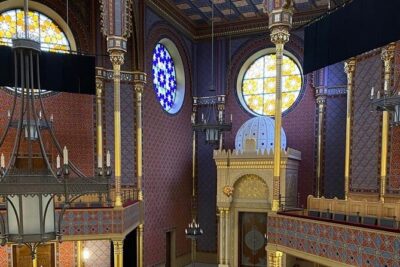
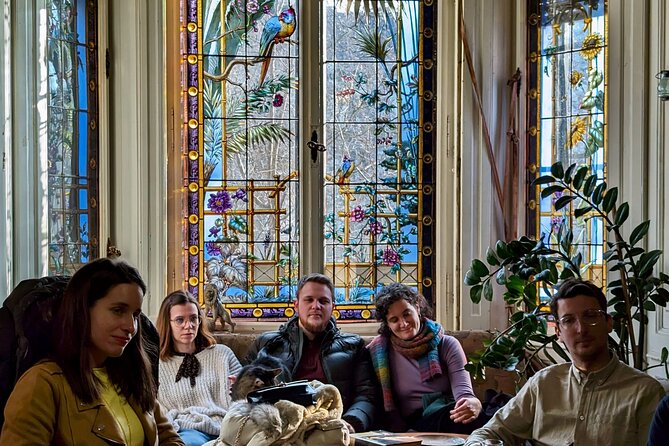
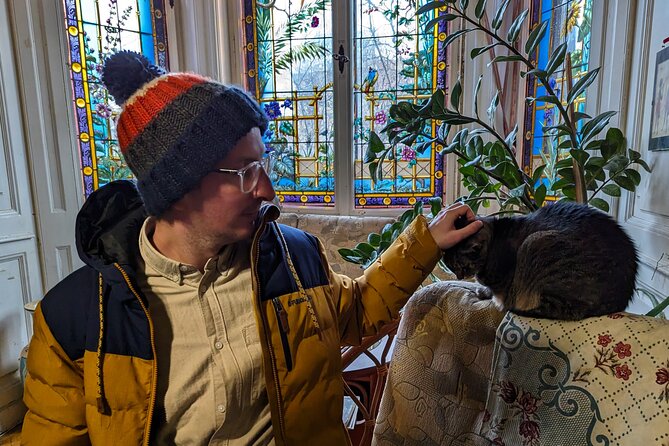
The payoff at the end is also a big plus. You finish in a century-old private apartment to admire a stained-glass window by Miksa Roth, which is exactly the kind of access that makes the tour feel different.
One consideration: it’s built around short stops and walking. If you want long café breaks or extra time to sit and soak in one building, this may feel a bit structured.
In This Review
- Key things that make this tour worth your time
- Why Budapest Art Nouveau clicks when someone points it out
- Central Market Hall to the Miksa Roth stained-glass reveal
- The bridge walk and Gellért Thermal Bath: Secession-style architecture up close
- Nemzeti Bank and the Postal Savings Bank: Ödon Lechner’s tile-and-folk look
- Gutenberg Square and the art deco stair with lead-glass
- How the pacing and transport shape the experience
- Value for money: what $261.67 per group gets you
- Who this tour is best for
- Should you book this Art Nouveau treasures of Budapest private tour?
- FAQ
- How long is the private tour?
- How many people are in the group?
- What language is the tour offered in?
- Is pickup available?
- Where does the tour start and end?
- What is included in the tour price?
- Are tickets included for all stops?
- Do we use private transportation?
- Is the tour only for special access to interiors?
- Can service animals join?
Key things that make this tour worth your time
- Art historian guidance that focuses on design, not just sightseeing
- Private apartment access to a Miksa Roth stained-glass window in the final stop
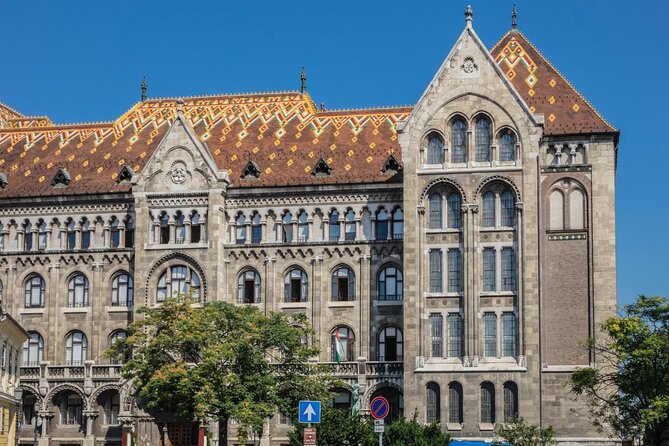
- Secessionist targets like Ödon Lechner’s 1901 tilework at the Postal Savings Bank
- Gellért Bath stop with a Secessionist look and admission noted as free
- Bridge-and-view moments on the way between neighborhoods and monuments
- Private tour size up to 5, so questions don’t get swallowed by the group
Why Budapest Art Nouveau clicks when someone points it out
Budapest’s turn-of-the-20th-century architecture can look like decoration until you learn how it’s actually designed. That’s the core value here: you’re not just walking past pretty façades. You’re getting help reading the style as you go.
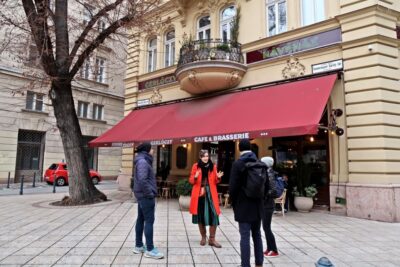
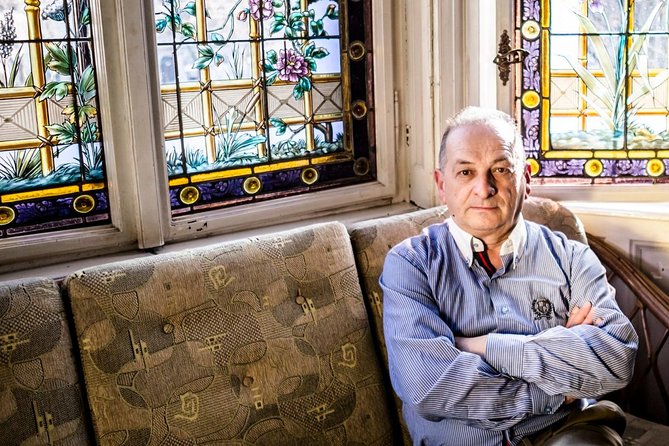
You’ll get a professional local guide plus an art historian guide. That combo matters. A local guide helps you with the practical street-level stuff, while the art historian gives meaning to what you’re seeing. And because it’s a private format (up to 5 people), you can ask questions in the moment instead of saving them for later.
One other smart touch: the start time is customisable on request, and pickup is offered either from your hotel or from a central meeting point you agree on. That makes it easier to fit into a travel day without turning your itinerary into a juggling act.
You can also read our reviews of more private tours in Budapest



Central Market Hall to the Miksa Roth stained-glass reveal
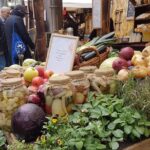
The tour begins at Central Market Hall. It’s a strong starting point because it places you right in the city’s everyday energy before you step into the design-focused part of the day.
Plan for a short stop here—about 20 minutes. The admission ticket for this stop is not included, so you’ll want to budget for entry if you decide to go in. Even if you treat it as a quick orientation stop, it sets the stage for the rest of the architecture walk.
Then comes the real reason this tour feels special: you finish in a private apartment to see an important stained-glass window by Miksa Roth. This is described as a hidden treasure and it’s exclusive to the tour setting—meaning it’s not the same type of public sightseeing as a standard museum. If you’re the type who loves material details—glass, color, and craftsmanship—this ending is the moment you’ll remember.
The tour end point is at Rákóczi tér, so you’ll likely feel like you’re ending in a neighborhood that’s still part of real Budapest, not just walking back to the same central corridor.
The bridge walk and Gellért Thermal Bath: Secession-style architecture up close
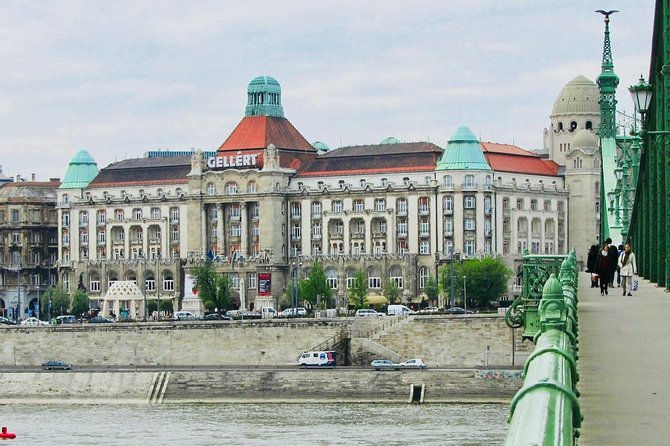
Between stops, you’ll walk across some of Budapest’s most photogenic bridge areas. One segment takes you across a beautiful bridge toward the foot of Gellért Hill. Another part includes crossing a first stone bridge with scenic views of the grand Hungarian Royal Palace.
These bridge moments do two jobs. First, they give your eyes a visual reset—city views help you understand how the neighborhoods connect. Second, they break up the walking so you stay alert for the architectural details.
Next is St. Gellert Thermal Bath and Swimming Pool, where the tour notes it as iconic, with the design described as dominantly Secessionist. You get about 20 minutes here, and the admission for this stop is listed as free. That means you can spend your time inside (or at least in the key areas) without feeling like you have to rush because of an extra ticket cost.
One practical thing to keep in mind: thermal-bath places often have rules about what you can wear and how you move around. The tour doesn’t spell those out in your provided details, so just be ready to follow posted guidance on site.
Nemzeti Bank and the Postal Savings Bank: Ödon Lechner’s tile-and-folk look
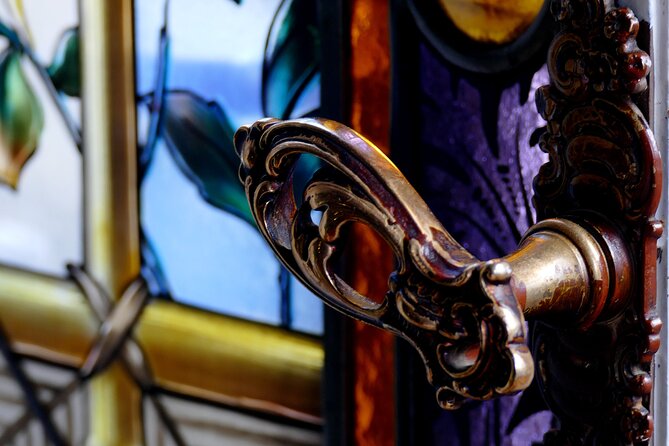
If you came to Budapest specifically for Seccesion/Secession-style design, this part of the tour is the heart of it.
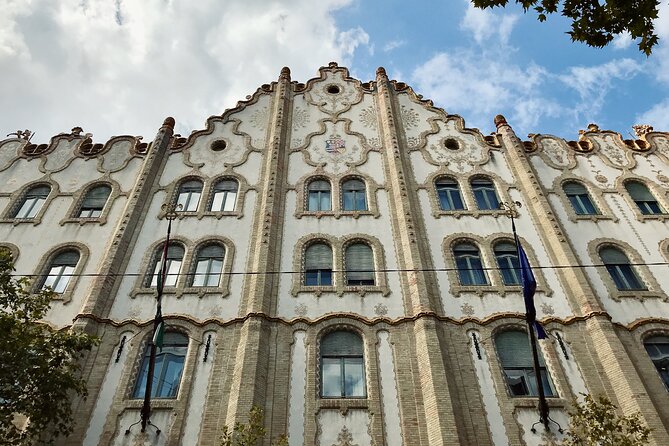
The tour includes a stop at Nemzeti Bank described as the Postal Savings Bank on Hold utca (so you’ll want to match what you see on the street with the guide’s explanation). It’s presented as one of the city’s greatest examples of Secession artwork, designed by Ödon Lechner in 1901.
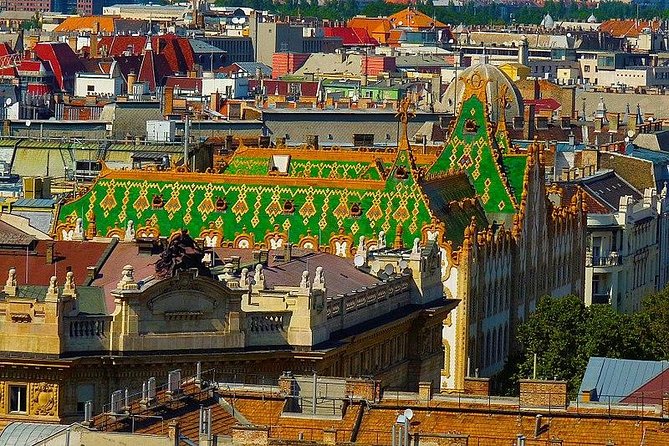
What makes this stop more than a name check is the design description: the building is called an extravaganza of colorful tiles and folk motifs. That’s exactly the kind of detail you want a specialist to point out. Instead of standing in front of a façade wondering what you’re supposed to notice, you’ll learn what to look for and why those patterns matter in the visual language of the style.
You also get a second stop at the Postal Savings Bank, also tied to Ödon Lechner (1901) and the same tile-and-folk motif description. Since both are listed with free admission and similar time (about 20 minutes each), it suggests you’ll be able to compare design elements in different viewing angles or access points.
A small caution: because you only have around 20 minutes per major stop, don’t expect to become an architectural scholar by the door. Treat it like a guided crash course. If you fall in love with one façade or interior detail, you can always come back later on your own for extra time.
Gutenberg Square and the art deco stair with lead-glass
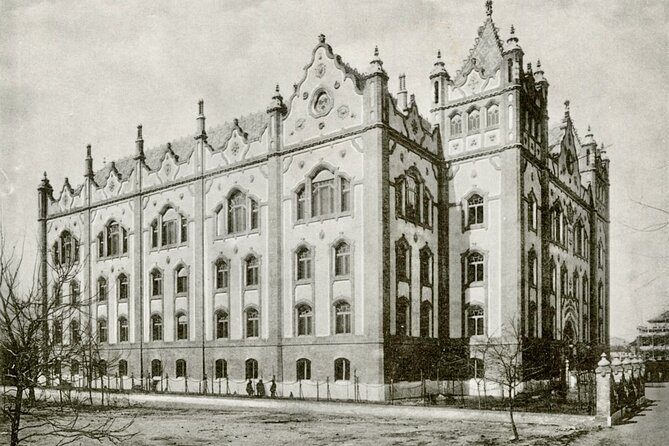
Not every stop is strictly Art Nouveau, and that’s actually helpful. Budapest’s fin-de-siècle design scene overlaps styles, and you’ll get a sense of that shift as you move.
At Gutenberg Square (about 15 minutes), the focus is an art deco historic building in the 8th district. The standout detail here is a magnificent staircase with lead-glass.
This is a great stop for two types of travelers. If you’re a design-lover, lead-glass is the kind of material you can spot instantly and appreciate even without a deep background. If you’re not sure how to read the style, a striking interior element like a staircase gives you something concrete to anchor your understanding.
Admission for this stop is listed as free, so you’re not paying extra just to look up and take in the details.






How the pacing and transport shape the experience
This is a foot-and-public-transport tour, with no private transportation included. That’s a plus in the sense that you’ll be moving like a local through the city, not riding in a vehicle for every segment.
It also explains why the tour length stays around 2 hours 30 minutes to 3 hours. You have enough time to hit multiple design targets, but not enough time to wander endlessly. The tradeoff is simple: you follow the guide’s rhythm to see several key examples instead of sinking an hour into one exterior.
Pickup is available, and the tour is designed to be flexible with a customisable starting time on request. That’s useful if you’re syncing the tour with museum plans or dinner reservations.
If you’re prone to walking fatigue, keep your expectations realistic. The stops are short, and the payoff is in the guided interpretation, not slow strolling at each location.
Value for money: what $261.67 per group gets you
The price is $261.67 per group for up to 5 people, for about 2.5–3 hours. On a per-person basis, that can be a very fair deal if you’re traveling with a small group of friends or family.
Here’s what you’re paying for, specifically:
- Private tour format (not a big group)
- A local guide plus an art historian guide
- Coverage of multiple major design stops with free admissions listed for several of them
- The standout access end point: a private apartment where you can see Miksa Roth stained glass
If you’re thinking like a value-hunter, compare this to paying separately for standard museum tickets and then spending extra time hunting down design details on your own. This tour compresses the search. It gives you a guided path through the city’s design landmarks and, importantly, gives you a reason to understand what you’re seeing.
One more point: the tour includes a mobile ticket. That’s small, but it reduces friction on the day, especially if you’re juggling other plans.
Who this tour is best for
You’ll get the most from this if you fall into any of these buckets:
- You love architecture and want help reading the design choices.
- You enjoy art glass and want to see Miksa Roth’s work in an intimate setting.
- You like short guided stops that keep moving while still giving you real context.
It can also work if you’re brand-new to Art Nouveau/Secession style. The tour’s structure suggests you’re given enough explanation to make each stop click instead of feeling lost.
If you prefer long unstructured time, or you want a food stop that stretches the day, you might feel impatient. Food and drinks aren’t included unless specified, so you’ll need to plan your own timing if you want a meal.
Should you book this Art Nouveau treasures of Budapest private tour?
I think you should book if you want a focused, design-led introduction to Budapest’s Art Nouveau and Secession architecture—and especially if the idea of ending in a private apartment for Miksa Roth stained glass sounds like your kind of travel story.
I’d skip it (or at least consider a different format) if you’re the type who needs lots of free time at each location. This tour is built for momentum: short stops, guided interpretation, and a clear ending point.
If you’re traveling with up to 5 people and you like the idea of an art historian guiding what you see, this is strong value. You’ll leave with a sharper eye—and, in that final apartment moment, a memory that feels genuinely hard to replicate on your own.
FAQ
How long is the private tour?
It runs about 2 hours 30 minutes to 3 hours.
How many people are in the group?
It’s a private tour for your group, up to 5 people.
What language is the tour offered in?
The tour is offered in English.
Is pickup available?
Yes. Pickup can be arranged at your hotel or from a central meeting point you agree upon.
Where does the tour start and end?
It starts at Central Market Hall in Budapest and ends in a century-old private apartment near Rákóczi tér, Budapest.
What is included in the tour price?
A local guide, an art historian guide, a professional guide, and a starting time customisable on request. Pickup and a mobile ticket are also part of the experience.
Are tickets included for all stops?
No. Central Market Hall admission is not included. Other listed stops (St. Gellert Thermal Bath and the Secession-related bank and square stops) are listed as free for admission.
Do we use private transportation?
No. The tour is designed to be done on foot with public transportation.
Is the tour only for special access to interiors?
You’ll see key architecture mostly by walking, and the tour specifically ends with exclusive access in a private apartment to admire a stained-glass window by Miksa Roth.
Can service animals join?
Yes, service animals are allowed.