REVIEW · BUDAPEST
Private Wine Tasting in Budapest
Book on Viator →Operated by Miklós Csizmadia · Bookable on Viator
Hungarian wine tastes different when someone teaches it. This private tasting in Budapest pairs Miklós Csizmadia’s wine-journalist and judge perspective with a hands-on lineup of indigenous grapes, plus real context on how Hungary makes wine and why these varieties matter. You’ll sample 6+1 wines (including well-known names like Furmint and Tokaj links) and hear the stories behind what’s in your glass.
I especially like the way the host turns the tasting into a guided timeline, not just a string of sips. I also like that you’re not left to guess your way through Hungary’s flavors solo: you get tapas-style snacks to keep you comfortable through the reds and whites. One consideration: the meeting point is not right in the thick of central sightseeing, so plan for a short ride or a walk to reach the wine bar.
In This Review
- Key Points You’ll Care About
- Budapest’s Wine Bar Scene, With Real Hungarian Grapes in the Spotlight
- What the 2-Hour Format Feels Like (And Why It’s a Good Use of Time)
- The Wine Lineup: Whites That Start Conversations Fast
- Reds That Prove Hungary Isn’t One-Note
- Snacks, Pairing, and Why Your Palate Will Thank You
- Your Host: Miklós Csizmadia and the Story-Driven Style
- Where You Meet: The Wine Bar Address and Getting There
- Is It Worth $60? The Value Math for a Private Tasting
- Who This Experience Suits Best
- Should You Book This Private Tasting in Budapest?
- FAQ
- How long is the private wine tasting?
- What is the price per person?
- Is it offered in English?
- How many wines will I taste?
- Which Hungarian wines (grapes) are included?
- Are snacks provided?
- Where does the tour start and end?
- Is this a private tour?
- What are the cancellation terms?
- Do I need paper tickets?
Key Points You’ll Care About
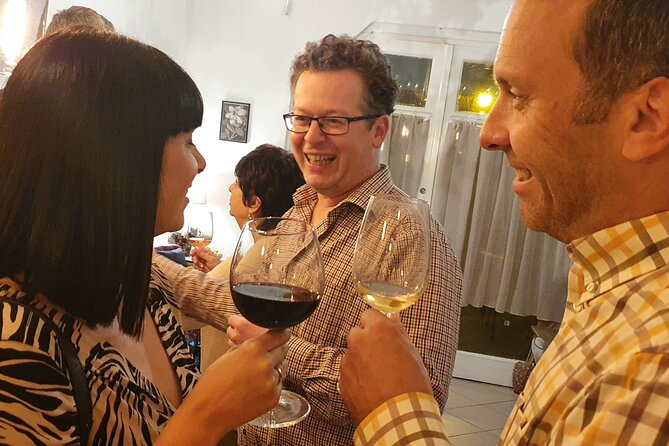
- A private setting where only your group joins the tasting
- Miklós Csizmadia’s judge-level perspective on Hungarian grapes and production
- 6+1 Hungarian wines, including indigenous whites like Cserszegi fűszeres and Furmint
- A red-and-white tasting arc featuring Kékfrankos, Kadarka, and Bull’s Blood
- Snacks that match the pace, including ham, sausages, cheese, olives, and bread
- English-led experience with mobile ticket convenience
Budapest’s Wine Bar Scene, With Real Hungarian Grapes in the Spotlight
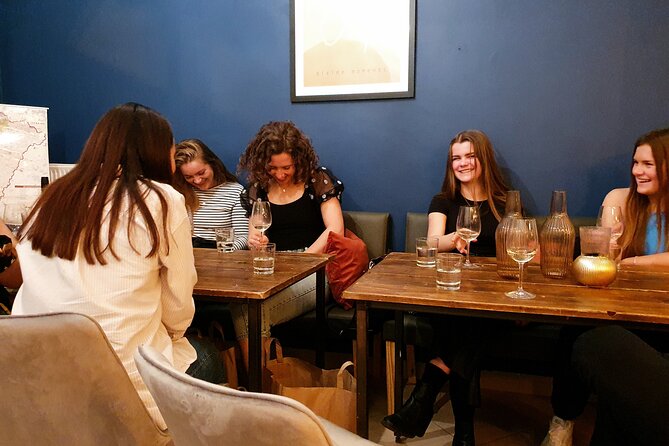
Budapest has plenty of drink options, but this experience leans hard into Hungary’s identity: wine first, beer second. If you’ve only heard about Hungary as a side note in European wine talk, this is the kind of tasting that makes the country feel specific. The host doesn’t treat Hungarian wine like a novelty; he treats it like a serious craft with its own logic, history, and flavor signatures.
What makes it work for you is the mix of wine education and a relaxed bar setting. You’re not being marched through a classroom. You’re sitting with glasses, snack plates, and a guide who can explain why a grape behaves the way it does. That helps you taste more accurately. You catch the differences between styles, not just the fact that they taste good.
And since it’s private, you can ask questions in the moment. That matters if you’re comparing styles, have a preference (for instance, white wines like Furmint), or want to know how Hungarian wine differs from what you’re used to at home.
You can also read our reviews of more food & drink experiences in Budapest


What the 2-Hour Format Feels Like (And Why It’s a Good Use of Time)
Two hours sounds short until you break down what you’re actually doing here. You’re tasting 6+1 Hungarian wines, and each one comes with explanation: how it’s made, where it fits in Hungary’s winemaking story, and what to look for as you taste.
A typical flow you can expect:
- A quick intro at the wine bar so you know what you’re tasting and what the guide will focus on.
- Then the tasting moves through indigenous white wines first, with talk tied to grape character and regional background.
- After that, you shift to reds, comparing how the flavors land differently from white varieties.
- Snacks show up throughout so your palate stays steady and you’re not tasting on an empty stomach.
- Near the end, there’s often extra flair through stories and small surprises (the host is known for keeping things fun, not stiff).
For you, the practical win is that this schedule fits a normal travel day. It’s long enough to learn names you’ll remember (Furmint, Hárslevelű, Kékfrankos), but not so long that you lose momentum. It’s also a great option if you land late and want a later start without turning the evening into a full production.
The Wine Lineup: Whites That Start Conversations Fast
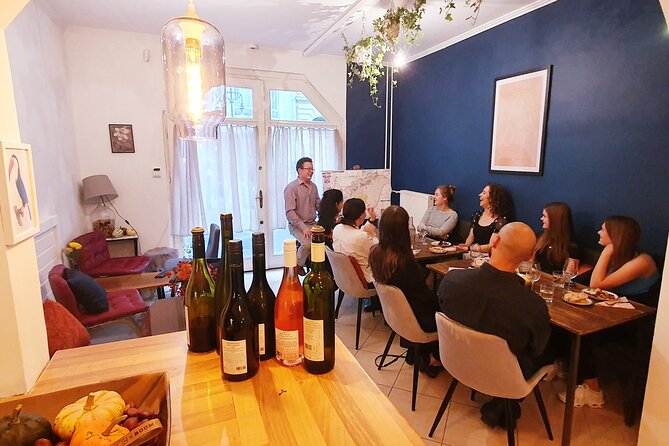
The highlight for many people is the focus on indigenous Hungarian whites—the grapes you’ll struggle to understand from generic wine-shop descriptions. The tasting includes at least six indigenous whites plus one additional wine, such as Cserszegi fűszeres, Hárslevelű, and Furmint.
Here’s why that lineup matters for your tasting brain:
- Furmint (Tokaj’s foundation): Furmint is famous, but this tasting gives you the reason it’s so important. The host connects it to the Tokaj area and the grape that anchors Tokaji Aszú. Once you understand that link, tasting Furmint feels less random. You start noticing acidity, texture, and how the grape builds complexity.
- Hárslevelű: This grape name sounds like a puzzle, but the payoff is learning how a Hungarian white can taste fresh and aromatic without going “sweet at the first sip.”
- Cserszegi fűszeres: The tasting’s version of fun difficulty. It’s an indigenous grape that many people wouldn’t pick on their own, so you learn by tasting, not by reading labels.
This section is ideal if you like whites, or if you think you don’t. Many wine novices assume they’ll need lots of knowledge to enjoy tasting; in reality, the guide’s explanations give you just enough structure to make the flavors click.
Reds That Prove Hungary Isn’t One-Note
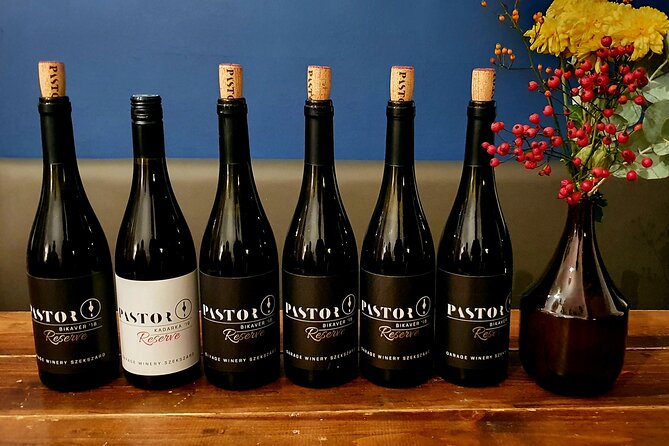
After the whites, the tasting pivots to reds. You’ll try Hungarian reds including Kékfrankos, Kadarka, and Bull’s Blood. That trio is a clever choice because it helps you hear the range inside Hungarian red wine, instead of thinking it’s all one style.
What to listen for in the reds:
- Kékfrankos: Think of it as a grape that carries identity. Once you’ve tasted it in context, you can recognize the “feel” of the wine more easily later.
- Kadarka: A grape with a reputation for character. Even if you’re not a hardcore red person, Kadarka tends to make people pay attention, because it often tastes distinct from standard international reds.
- Bull’s Blood (Eger/Bull’s Blood style term you’ll hear): This is the type of wine that turns labels into stories. It’s known enough to be intriguing, and the guide’s talk helps you understand what makes it different in the glass.
I like that the red portion doesn’t feel like an afterthought. It’s part of the education arc. You learn how Hungarian wineries shape flavor through grape choice and production choices, not just how to swallow wine.
Snacks, Pairing, and Why Your Palate Will Thank You
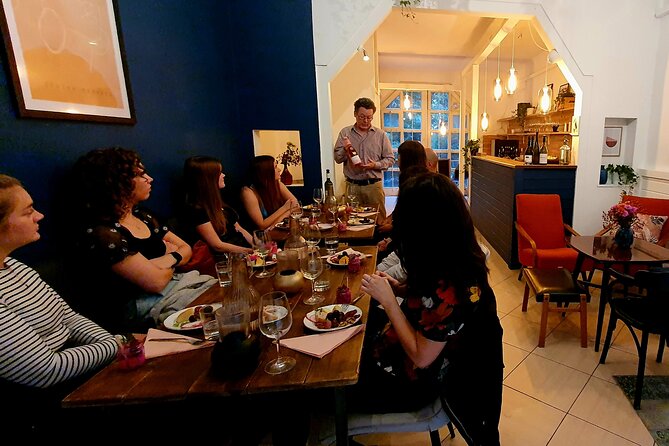
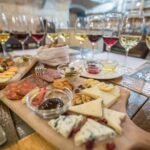
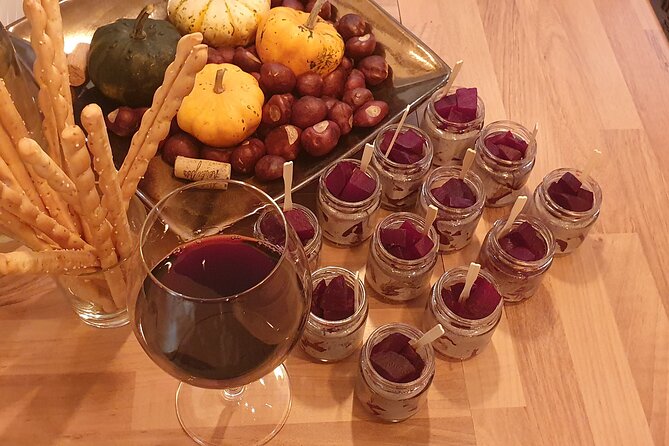
You’re not just drinking. You’re eating. The sample menu includes tapas plates with ham, sausages, cheese, olives, and bread. That matters because the wrong food can flatten wine flavors, while the right snacks help you reset your palate between tastings.
For this format, I’d call the snack plan “palate insurance.” It helps you keep tasting clearly across multiple glasses, especially if you’re going from whites to reds. The salty, fatty elements (cheese, sausages, ham) also make it easier to notice how acidity and tannin show up in the wine.
A small practical note: if you have allergies, you should tell the host in advance. The guide has experience working with a nut allergy request, so it’s not a throw-away detail for people with food constraints.
You can also read our reviews of more private tours in Budapest






Your Host: Miklós Csizmadia and the Story-Driven Style
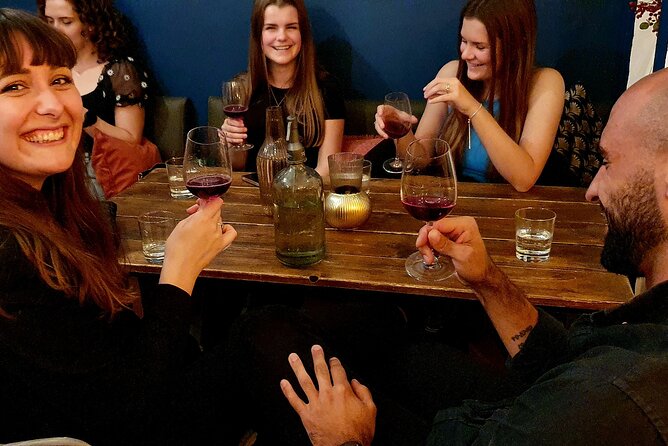
The host is Miklós Csizmadia, and his background matters to how the tasting feels. He’s described as a wine journalist and wine judge, and he doesn’t just list facts. He connects grape and region to the people behind the wine—sometimes with funny stories tied to what you’re tasting.
That approach is valuable because it changes how you remember the wine:
- You’re not only recalling taste. You’re recalling the why.
- You pick up “name + meaning” links like Furmint and Tokaj or other indigenous grapes and their place in Hungarian winemaking.
- You hear practical context on how Hungarian producers shape style, which helps if you later shop for bottles or visit wine bars.
Also, there’s a lively vibe here. Several people mention that Miki keeps things fun and energetic, which is exactly what you want in a two-hour session. No one wants a lecture with wine. They want a guide who can translate wine into something you can taste and understand.
Where You Meet: The Wine Bar Address and Getting There
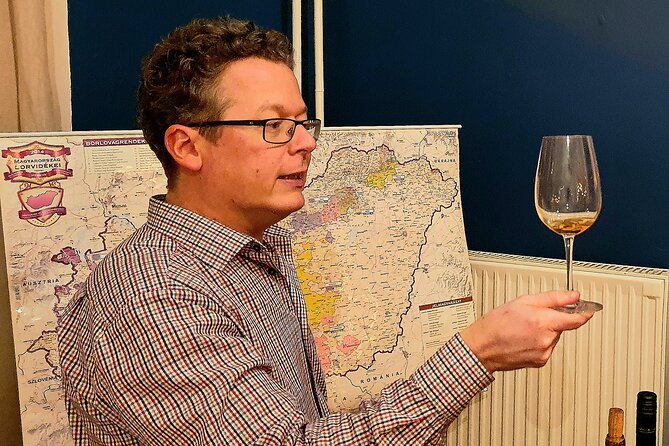
You start at Wine the Gap Borbár és Rendezvénytér Budapest, Tompa u. 26, 1094 Hungary. It ends back at the meeting point. The good news is that it’s near public transportation, so you shouldn’t have to wrestle with complicated directions.
One practical tip: because the meeting spot isn’t centered in the most famous tourist streets, give yourself a few extra minutes. Arrive early, get settled, and let the evening start smoothly. This is a small, focused experience, so you’ll feel it if you’re rushing.
Is It Worth $60? The Value Math for a Private Tasting
At $60 per person for about 2 hours, the price can look simple until you break down what’s included. You’re paying for:
- A private guided experience (only your group)
- 6+1 Hungarian wines
- A guide who brings wine-journalist and judge-level perspective
- Snacks that keep you comfortable throughout
For you, the biggest value piece is the learning-to-glass ratio. Many tastings give you a few pours and generic explanations. Here, the education is tied to multiple indigenous grapes, including some you might not order otherwise. That means you’re less likely to waste the evening tasting things you already know.
And since the wines highlighted in the experience are described as often appearing only in top Budapest settings, you’re not just paying for variety. You’re paying for access to bottles and styles you may not find casually.
Who This Experience Suits Best
This tasting is a strong fit if:
- You want an English-led introduction to Hungarian wine beyond stereotypes
- You enjoy learning grapes and regions through actual tasting
- You prefer a private format over a large group setting
- You’re curious about Tokaj and Furmint, or you want to discover other indigenous varieties
- You want a fun evening with enough structure to feel confident by the end
It’s also a good choice if you’re a white-wine person who worries reds will be “extra.” Here, the whites teach you the framework, and the reds give you contrast.
If you hate guided talk and prefer total silence with alcohol, this may feel too instructional. But if you like your wine with context, it’s a great match.
Should You Book This Private Tasting in Budapest?
I’d book it if you want a high-signal night: multiple indigenous wines, clear explanation, snacks, and a host who treats Hungarian winemaking like a real story worth telling. The private setup makes it feel personal, and the lineup helps you taste Hungary’s range without turning the night into a bar-hopping marathon.
Skip it only if you’re strictly looking for a casual, low-structure drink with no education. This is a tasting experience built around learning what you’re tasting and why.
FAQ
How long is the private wine tasting?
It lasts about 2 hours.
What is the price per person?
The price is $60.00 per person.
Is it offered in English?
Yes, it’s offered in English.
How many wines will I taste?
You’ll taste 6 plus 1 indigenous Hungarian wines, for a total of 7.
Which Hungarian wines (grapes) are included?
The tasting includes indigenous white wines such as Cserszegi fűszeres, Hárslevelű, and Furmint, plus reds like Kékfrankos, Kadarka, and Bull’s Blood.
Are snacks provided?
Yes. Tapas plates are provided, including ham, sausages, cheese, olives, and bread.
Where does the tour start and end?
It starts at Wine the Gap Borbár és Rendezvénytér Budapest, Tompa u. 26, 1094 Hungary, and ends back at the meeting point.
Is this a private tour?
Yes. Only your group participates.
What are the cancellation terms?
You can cancel for a full refund up to 24 hours in advance. If you cancel within 24 hours, the amount paid isn’t refunded.
Do I need paper tickets?
No. You’ll have a mobile ticket, and confirmation is received at the time of booking. Service animals are allowed, and it’s near public transportation.