REVIEW · BUDAPEST
Explore Hungary’s great wines in an intimate, casual tasting
Book on Viator →Operated by Vinosity Kft · Bookable on Viator
Hungary’s wine scene can feel intimidating at first, but this tasting keeps it friendly and easy. You’ll sample seven Hungarian wines while a sommelier walks you through the key wine regions in a casual, question-friendly style. It’s in Budapest, so you get a clear starting point before you explore on your own.
I especially like that the host can shift the pace for beginners without talking down to anyone. In fact, one host named Mark was praised for explaining region differences and tasting ideas at the right level, so even if wine is new to you, you’ll still leave with words you can use.
One thing to consider: this is a short session (about 1.5 to 2 hours), so if you’re hoping for a long, multi-stop tour with lots of walking, you may feel a bit time-crunched. Also, it’s 18+ and includes alcoholic beverages, so it’s not a fit if you want a fully non-alcohol experience.
In This Review
- Key Highlights You’ll Actually Notice
- Why Budapest Works for Your First Taste of Hungary
- The 1.5–2 Hour Format: Casual, Guided, and Easy to Follow
- The Seven Wines: A Regional Taste Map You Can Remember
- The Crostini Break: Snacks That Actually Matter
- Price and Value: What $74.27 Gets You
- Meeting Point on Paulay Ede u. 59: Easy Start, No Fuss
- What Kind of Person Should Book This?
- How to Get More Out of the Tasting (Without Pretending You’re a Pro)
- Should You Book This Hungarian Wine Tasting?
- FAQ
- How long is the Hungarian wine tasting in Budapest?
- Is the tour offered in English?
- How many wines do you taste?
- Is food included?
- Are alcoholic beverages included?
- Is this a private tour?
- Where is the meeting point?
- What time does the tasting start?
- Can I cancel for a refund?
Key Highlights You’ll Actually Notice
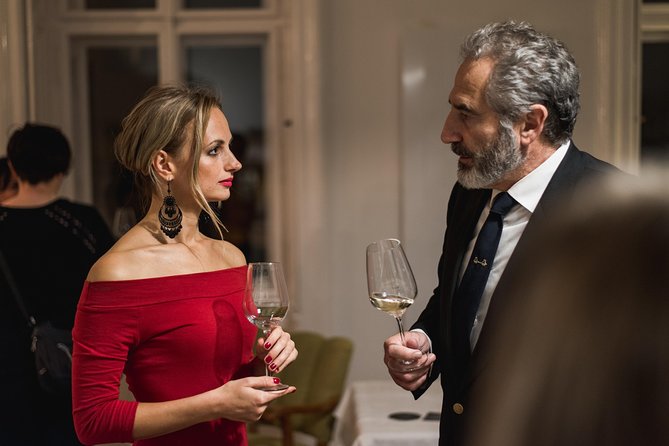
- Seven wines, guided like a conversation, not a lecture
- English-language sommelier explanations, with beginner-friendly pacing
- Casual focus on regions, so you can understand what you’re tasting
- Grilled ham-and-cheese crostini to keep things comfortable with wine
- Private setup for your group, which usually means more chances to ask questions
- Mobile ticket and a start point near public transportation
Why Budapest Works for Your First Taste of Hungary
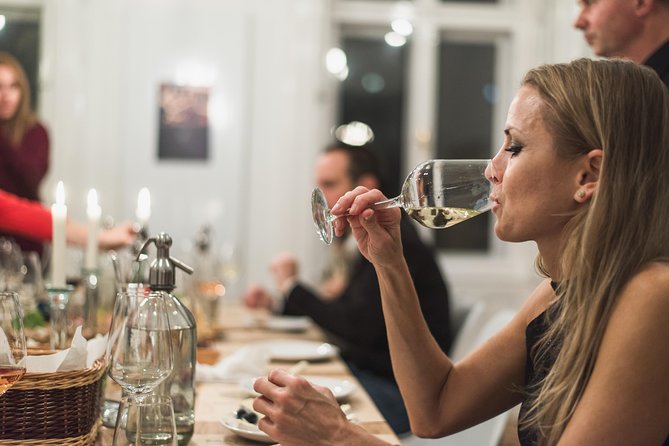
Budapest is a smart base for Hungarian wine because it’s practical. You can learn the basics in a couple of hours, then use that knowledge later at wine bars or when you spot a familiar name. Instead of guessing, you’ll have a mental map of how Hungarian wine regions and styles connect.
This tasting also helps you avoid the common new-wine mistake: trying to memorize grape names without understanding the “why.” You’ll get the regional context as you taste, which makes later shopping or ordering feel less like a gamble.
You can also read our reviews of more food & drink experiences in Budapest


The 1.5–2 Hour Format: Casual, Guided, and Easy to Follow
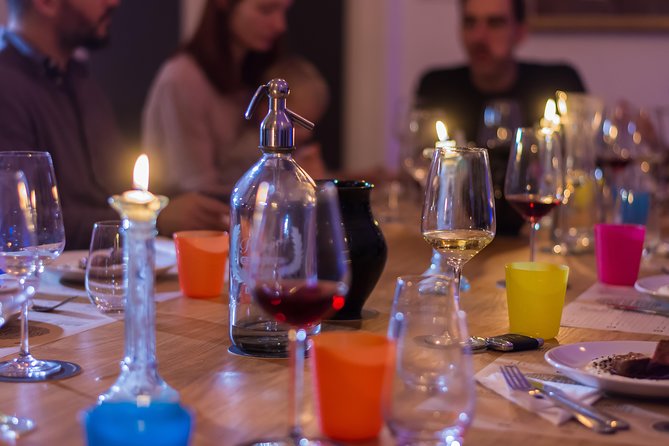
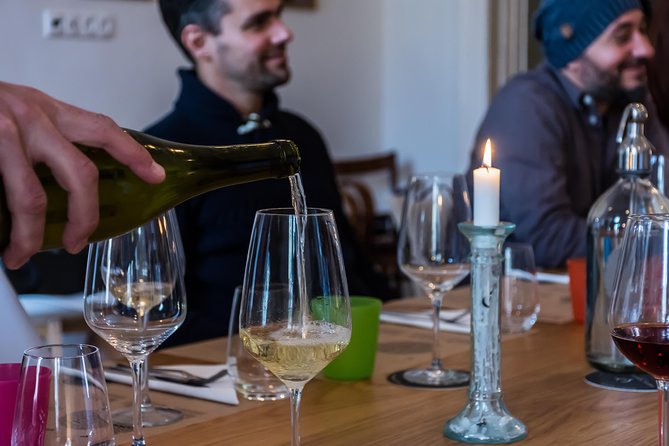
This experience is built around a guided tasting with a sommelier, in English, lasting about 1.5 to 2 hours. The tone is casual and conversation-style, which matters more than it sounds. When you can ask small questions as they come up, you stop feeling lost and start building real understanding.
Because it’s private for your group, the pace tends to fit your questions rather than a rigid class format. If you want to focus on how to taste, or how Hungarian wine differs from what you’ve had elsewhere, you can steer the discussion.
And yes, the session is short enough that it won’t hijack your day. Starting at 1:30 pm also helps if you like to do museums or wandering in the morning, then shift gears into something warmer and more social.
The Seven Wines: A Regional Taste Map You Can Remember
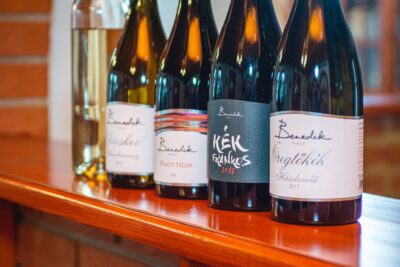
The heart of the experience is the seven Hungarian wines. You’ll be shown how Hungary’s famous wine regions connect to what’s in the glass—where it comes from, what it tends to taste like, and why styles develop the way they do.
This is where the “conversation-style” part pays off. You’re not just tasting passively; you’re building a simple framework while you taste. That makes it easier to answer questions like:
- What should I look for first when I smell a wine?
- Why can two wines both be “dry,” but taste totally different?
- How do regional differences show up in the glass?
One of the best signals from past participants is that the host adjusted the level of discussion for beginners. That means you’ll likely get explanations that don’t assume you already know wine language, while still offering tips that more experienced wine people can enjoy.
The Crostini Break: Snacks That Actually Matter
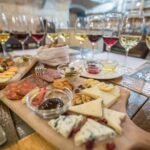
Wine tastings go best when you’re comfortable, not stuffed. Here, you get grilled crostini sandwiches with ham and melted cheese. It’s a very practical choice: savory, salty, and easy to eat without slowing everything down too much.
That snack matters because it changes the whole tasting experience. You’ll taste more clearly when your palate isn’t racing with hunger, and food also helps you handle stronger wines without getting overwhelmed.
It’s also a small cultural touch. Hungarian wine culture isn’t just bottles and menus—it’s people sharing food while they talk. The crostini keeps the mood light and makes the time feel more like a host-led hangout than a formal event.
Price and Value: What $74.27 Gets You
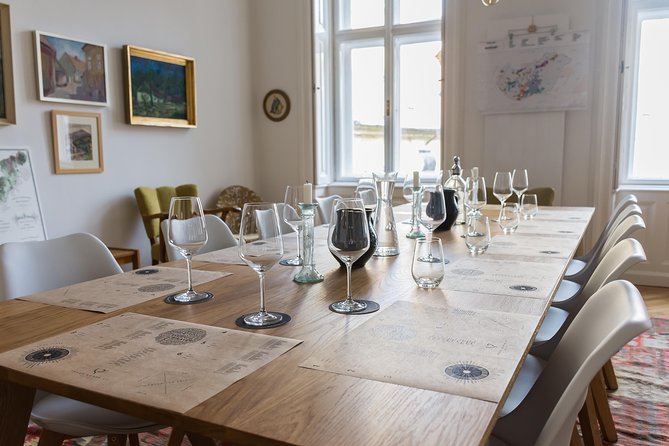
At $74.27 per person, this tasting isn’t trying to be the cheapest option. But value here comes from what’s included and what you get for your attention.
You’re paying for:
- a sommelier-guided tasting (not self-guided browsing),
- seven wines,
- snacks (the crostini), and
- alcoholic beverages.
For many wine experiences, you end up paying extra for each pour or for food on top. This one bundles key parts into the ticket price, and the short, guided structure helps you get a lot of information without spending half your day.
Private setup for your group can also be a value multiplier. More questions, less waiting, and usually a more relaxed experience than crowded public tastings.
You can also read our reviews of more wine tours in Budapest


Meeting Point on Paulay Ede u. 59: Easy Start, No Fuss
The tasting starts at Paulay Ede u. 59, 1061 Budapest at 1:30 pm, and it ends back at the meeting point. That “back where you started” structure is a small thing, but it reduces stress. You don’t have to plan a complicated route afterward just to get back home.
It’s also near public transportation, which is helpful if you’re hopping across neighborhoods. If you’re coming from central sights, plan to arrive a few minutes early so you can settle in and start tasting without feeling rushed.
Practical tip: come ready with at least a couple of questions. Even if you’re new to wine, you’ll get more out of a conversation-based format when you bring curiosity instead of waiting for the host to guess what you want to know.
What Kind of Person Should Book This?
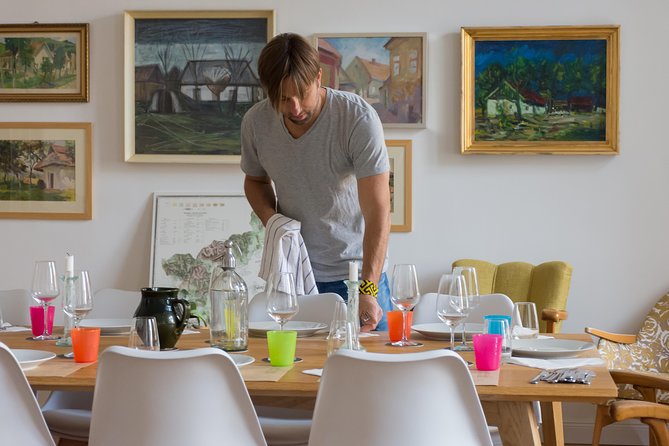
This tasting is a great match if you want a simple, social entry into Hungarian wine. It’s also well suited for people who like structure but don’t want stiffness.
You’ll probably enjoy it most if:
- wine is new to you and you want explanations in plain English,
- you like meeting people and asking questions during the tasting,
- you want a quick way to understand Hungary’s wine regions,
- you’d rather learn over seven guided wines than read menus for days.
You might skip it if you’re looking for a full-day tour with multiple locations, long drives, or lots of hiking. This is a focused, guided session, and that’s the point.
How to Get More Out of the Tasting (Without Pretending You’re a Pro)
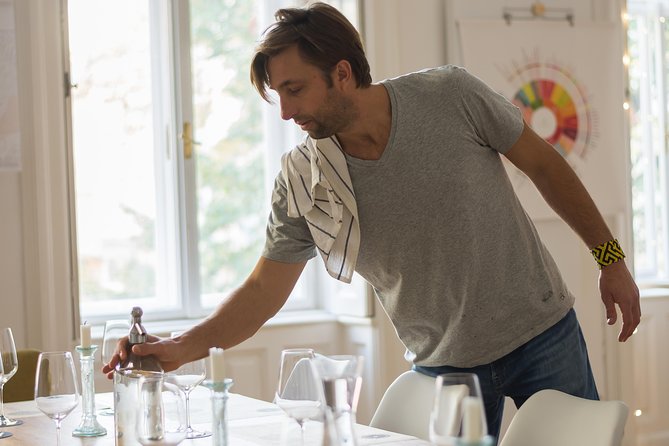
You don’t need to study wine vocabulary before you show up. In fact, the whole experience is built for people who want guidance, not intimidation.
To get the most value, I’d do three simple things:
- Ask one basic question early, then follow up as you taste. Conversation works best when you steer it.
- Pay attention to how region explanations connect to flavors you can recognize. That connection is what you’ll reuse later.
- Take note of what you personally like, not what you’re “supposed” to like. Hungarian wine ranges from lighter styles to richer ones, and your favorites matter.
Afterward, you’ll be in a better position to order confidently. You’ll know what to look for and how to ask for help, instead of staring at a wine list like it’s written in code.
Should You Book This Hungarian Wine Tasting?
I think you should book it if you want an easy, English-friendly way to learn Hungarian wine in a relaxed, intimate setting. The combination of seven regional wines, a sommelier who can match your level, and included snacks makes it feel like good time—not a rushed checklist.
Book it with a week-ahead mindset when you can, since it’s commonly reserved about 7 days in advance. If your schedule allows, it’s also the kind of activity that slots nicely between sightseeing and dinner.
If you want a longer, multi-location day with lots of movement, choose something else. But for a short, high-learning-value tasting that doesn’t require prior wine knowledge, this is a strong pick.
FAQ
How long is the Hungarian wine tasting in Budapest?
It runs about 2 hours (approximately), and it’s sommelier-guided with time for conversation.
Is the tour offered in English?
Yes, it’s offered in English.
How many wines do you taste?
You taste 7 Hungarian wines.
Is food included?
Yes. You get grilled crostini sandwiches with ham and melted cheese.
Are alcoholic beverages included?
Yes. Alcoholic beverages are included with the tasting.
Is this a private tour?
Yes. It’s private, so only your group participates.
Where is the meeting point?
The meeting point is Budapest, Paulay Ede u. 59, 1061 Hungary. The activity ends back at the meeting point.
What time does the tasting start?
The start time is 1:30 pm.
Can I cancel for a refund?
Free cancellation is available. You can cancel up to 24 hours in advance for a full refund. Confirmation is sent within 48 hours of booking, subject to availability.