Roman ruins in the middle of Budapest? This private tour takes you through Roman military Aquincum with stops that explain how the place worked, guided by Tiberius with real energy. I especially love the Hercules Villa mosaic stop and the extended time at the Aquincum Museum and archaeological park.
One thing to plan for: there’s a fair amount of walking, so good shoes matter and your pace should match a moderate physical fitness level.
In This Review
- Key Highlights You’ll Actually Feel
- Roman Aquincum Looks Different When You Know What You’re Seeing
- Meeting Point to Metro Exit: How the Route Plays Out
- Stop 1: Roman Military Amphitheatrum Quick Tour, Good Payoff
- Stop 2: Flórián téri Park and the Legion Camp Walls You Can Still Feel
- Stop 3: Hercules Villa Between Apartments and Full of Mosaic Floors
- Stop 4: Aquincum Museum and the Archaeological Park (Where the Time Goes)
- Price and Value: $78.27 Per Group vs Your Real Cost Per Person
- What You Get from Tiberius (and Why It Feels More Than Sightseeing)
- Practical Tips: Shoes, Timing, and Museum Ticket Reality
- Who This Tour Fits Best
- Should You Book Budapest Hidden Gems – Roman Aquincum Private Tour?
- FAQ
- FAQ
- How long is the Roman Aquincum private tour?
- Where do we meet and where does the tour end?
- Is the tour private, and how big is the group?
- What language is the tour offered in?
- Is the Aquincum Museum ticket included?
- What’s included in the tour price besides the guide?
- Do I need good weather for this experience?
Key Highlights You’ll Actually Feel
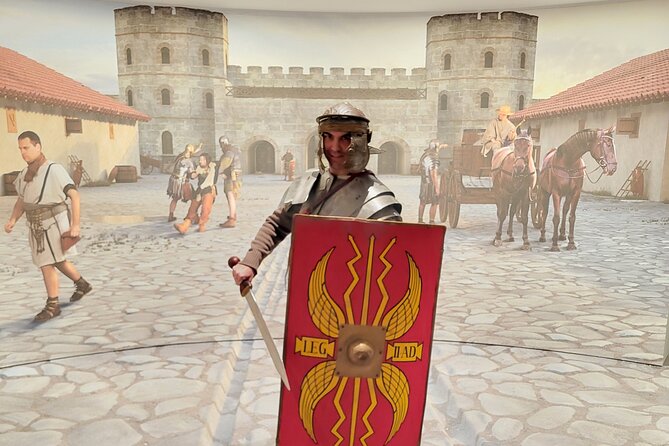
- Private group up to 15 keeps the pacing comfortable and the questions flowing
- Tiberius brings enthusiasm and connects buildings to everyday life
- Hercules Villa sits between modern apartment blocks and features mosaic floors
- Aquincum Museum plus the archaeological park is where you spend most of your time
- Mobile ticket and an English-language guide make logistics simple
Roman Aquincum Looks Different When You Know What You’re Seeing
Aquincum is the Roman city-world that used to sit right where Budapest now sprawls. The fun here is that you don’t just “spot ruins.” You get a guided route through key parts of the military town, from a Roman-style amphitheatre to a villa tied to wealth and daily comfort.
I like how the tour keeps the focus practical. Instead of treating each stop like a photo stop, the guide helps you understand the logic of the place—what these spaces were for, and why they were built where they were. That connection is what makes the time feel worth it, even when a stop is brief.
You can also read our reviews of more private tours in Budapest



Meeting Point to Metro Exit: How the Route Plays Out
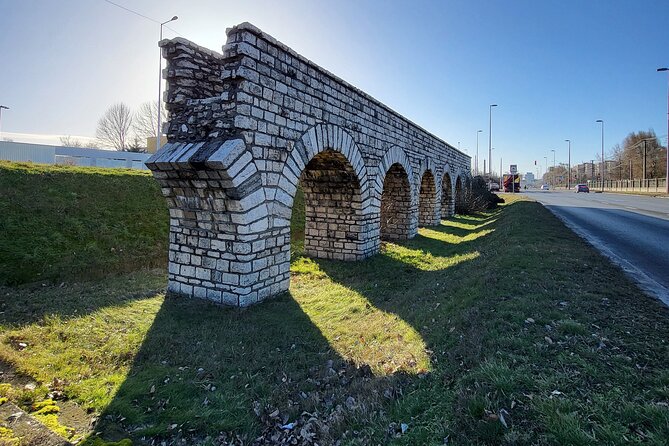
The tour starts at Szőlő u. 2, 1034 Hungary and ends at Batthyány tér Metro Station (across from Parliament). That end point is a nice deal: you finish in a central, easy-to-get-around area instead of getting dropped somewhere inconvenient.
The total duration is listed as about 3 to 5 hours, and travel time is included. It’s private, so it’s only your group—up to 15 people—meaning you won’t get steamrolled by a big crowd or dragged along at someone else’s pace.
You’ll also want to know the tour runs during the museum area’s daily hours window (9:00 AM to 4:00 PM). If you’re planning around other sights, aim to fit this into a daytime slot when the sites you’ll want to see are open.
Stop 1: Roman Military Amphitheatrum Quick Tour, Good Payoff
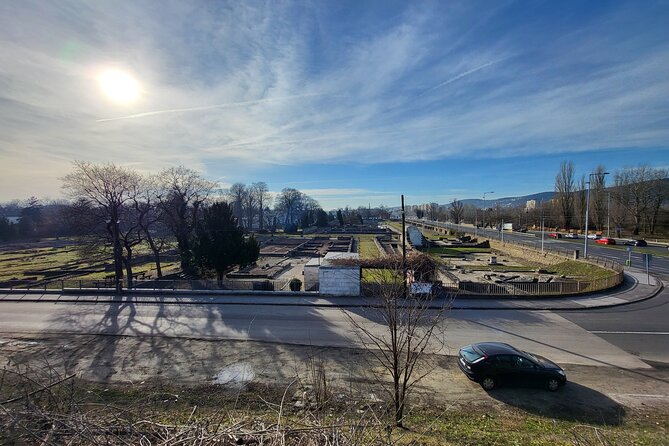
Your first stop is the Roman military amphitheatre (Amphitheatrum). This is a short visit—around 30 minutes—but it’s a smart way to start. Amphitheatres have a “weirdly recognizable” vibe even when you’re standing amid ruins. The difference is that you learn how it functioned in a military setting, not a big civilian entertainment district.
One reason this stop works: it gives you the Roman “stage” idea early. Once you see the amphitheatre, the other pieces later in the route make more sense as parts of a full working town.
Admission at this stop is free, and the pacing is gentle. The drawback is simply time: if you’re hoping for a long sit-down and slow exploration, plan to get your deeper moments later on.
Stop 2: Flórián téri Park and the Legion Camp Walls You Can Still Feel
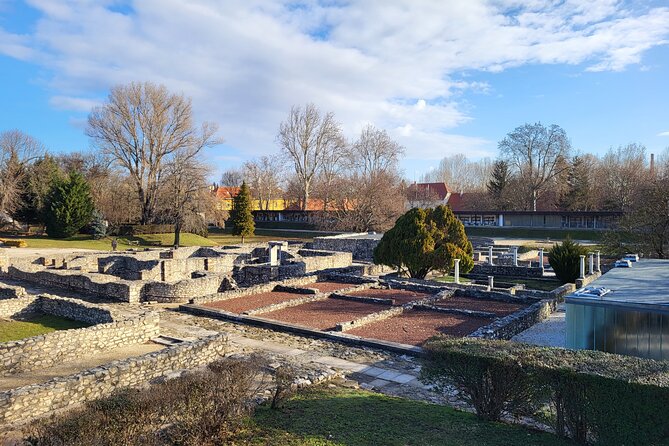
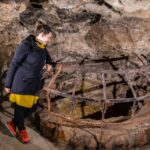
Next up is Flórián téri Park, where you explore hidden layout clues inside the former legionary camp connected to Legio II Adiutrix. This stop runs about 1 hour, and it’s less about entering buildings and more about reading the site.
This is a good moment to slow down and notice how Roman military planning left marks on the ground. You’ll be shown “what to look for” rather than just walking past things and guessing.
A practical note: parks and open areas can mean more uneven surfaces than you’d expect. Bring shoes you’re comfortable walking in for stretches—not just for a quick stroll.
Stop 3: Hercules Villa Between Apartments and Full of Mosaic Floors
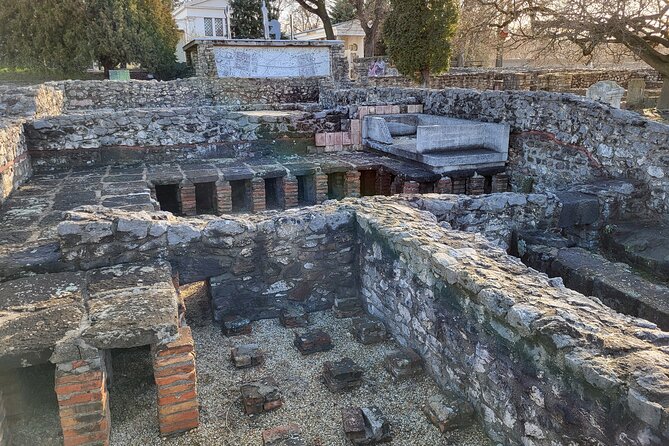
The Hercules Villa is one of the most memorable stops because of where it sits. You’ll find the villa in-between modern, socialist-era apartment buildings, which makes the contrast feel immediate: Roman wealth and luxury right next to everyday city life.
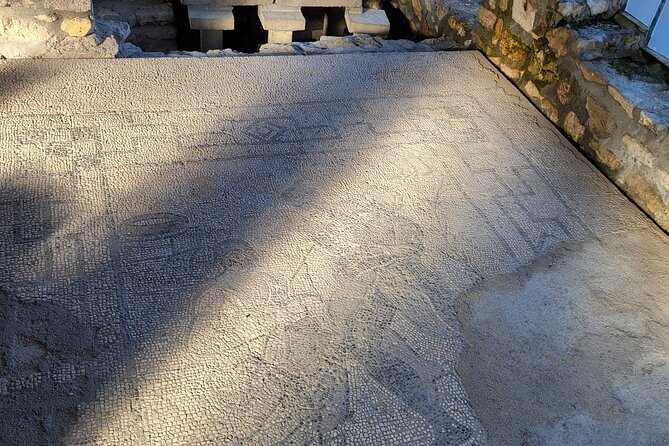
This stop takes about 30 minutes and the admission is included. The main visual draw is the mosaic floors, and the tour context matters here. It’s not just Look-at-the-floor enthusiasm. You get an explanation of what this villa says about wealthy Roman citizens living in the military town of Aquincum.
The benefit for you: you leave with a clearer image of Roman domestic life. The quick downside: mosaics are visual and powerful, but 30 minutes can be short if you really like close inspection. If you’re a “take photos for 20 minutes” person, keep an eye on the group’s pace and don’t let the urge to linger derail the rest of the route.






Stop 4: Aquincum Museum and the Archaeological Park (Where the Time Goes)
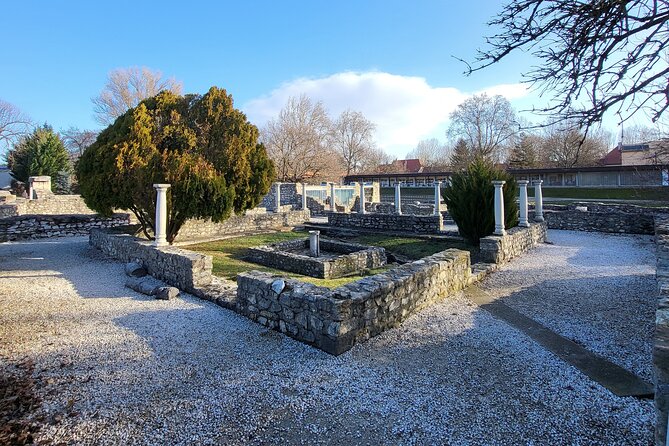
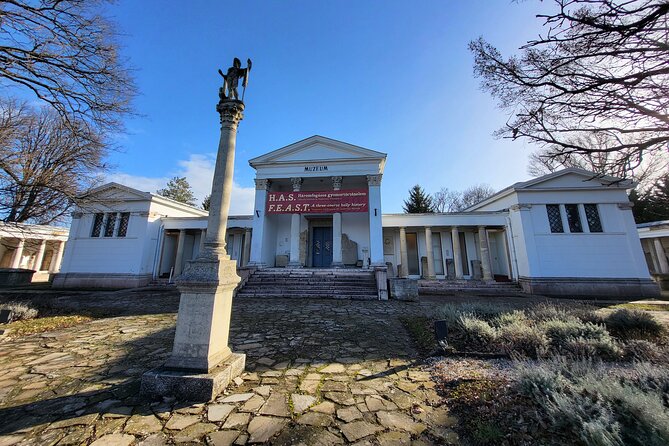
Most of the tour is saved for Aquincum Museum and the archaeological park, and that’s exactly how I’d structure it. This is the place where you can slow down, see exhibits, and then connect them to the ruins outside.
Plan on about 1 hour 30 minutes here. The museum portion includes exhibits and the archaeological park with ruins, so it’s the best “complete picture” stop on the itinerary.
Here’s the key catch: Aquincum Museum entrance is not included. The listed entrance fee is €8.00 per person. That cost is still usually reasonable for an organized, guided visit where you’re spending real time on site—but it’s a line item you should factor into your total trip budget.
If you only have energy for one longer pause, this is it. This stop is where the tour stops being a route and starts feeling like a mini education.
Price and Value: $78.27 Per Group vs Your Real Cost Per Person
The price is listed as $78.27 per group (up to 15 people). That pricing model can be a bargain when you travel with others, because you’re paying for the guide and private routing as a group cost, not a per-person fee.
If you’re booking solo, your per-person cost will feel higher than a standard group walking tour. But you’re still paying for the structure, the private pacing, and a guide who can tailor attention as the site prompts questions.
Also factor in the museum entrance: €8 per person for Aquincum Museum. So your total spend is basically:
- your share of the group price
- plus the museum ticket for each person
My practical take: this is best value if you’re traveling with 2–6 people and want a guide-led experience instead of doing archaeology-by-guesswork.
What You Get from Tiberius (and Why It Feels More Than Sightseeing)
The biggest praise pattern here is the guide. The guide’s name that comes up again and again is Tiberius, and people highlight the same themes: friendly delivery, strong subject energy, and explanations that go beyond naming structures.
Here’s why that matters for you: Roman sites can feel like puzzles. A villa looks like a villa. A wall looks like a wall. Without context, you may walk away with only “pretty ruins.” With this kind of guiding, you’re getting the why: how the buildings relate to a military town, how wealthy citizens lived, and why certain places existed in that camp environment.
One review detail that’s especially useful for your planning: expect a fair amount of walking. A reported distance was around 6K. That doesn’t mean it’s exhausting, but it does mean you should treat it like a proper half-day activity.
Practical Tips: Shoes, Timing, and Museum Ticket Reality
A few things to keep your day smooth:
- Wear comfortable shoes. The sites include parks and uneven ground, and walking time adds up across multiple stops.
- Plan a daytime slot. The listed hours are 9:00 AM–4:00 PM, which makes a morning or early afternoon start the safest bet.
- Budget for the museum entrance. €8 per person is not included, and Aquincum Museum takes a big chunk of time.
- Keep weather in mind. The experience requires good weather, and if it’s canceled due to poor weather, you’ll be offered a different date or a full refund.
- You’ll get a small welcome snack. It’s not a full meal plan, but it helps for the first stop and keeps the rhythm going.
On the day, also remember: you end near Batthyány tér and Metro, so you should be able to roll right into other plans after the tour.
Who This Tour Fits Best
This tour is a strong match if you:
- like Roman history but don’t want to turn Budapest into homework
- enjoy understanding how places worked (not just admiring fragments)
- prefer a private guide so questions don’t get swallowed by a group
- travel with a small group where a shared group price feels fair
It’s also a good fit if you’re curious about how Roman remains appear in modern city life. The contrast at the Hercules Villa stop is the kind of “wait, that’s where it is?” moment that makes the tour memorable.
If you’re the type who wants minimal walking and maximum resting, the moderate fitness note and the expected walking distance will matter. You might still enjoy it, but choose your shoes and energy level carefully.
Should You Book Budapest Hidden Gems – Roman Aquincum Private Tour?
I’d book it if you want a guided route through Aquincum that connects the dots: military life, domestic life, and how the ruins fit together in one coherent story. The value is especially good when you’re splitting the $78.27 group price with others, and the time at Aquincum Museum and the archaeological park is a smart use of your half day.
I’d hesitate if you’re trying to keep extra costs near zero, because the Aquincum Museum entrance fee (€8 per person) isn’t included. And I’d only book if you’re comfortable with a decent walking amount—plan for it, not against it.
FAQ
FAQ
How long is the Roman Aquincum private tour?
The duration is listed as about 3 to 5 hours, and travel time is included in that total.
Where do we meet and where does the tour end?
You start at Szőlő u. 2, 1034 Hungary. The tour ends at the Metro Station in Batthyány tér, 1011 Hungary, across from Parliament.
Is the tour private, and how big is the group?
Yes, it’s private. Only your group participates, and the group size can be up to 15 people.
What language is the tour offered in?
The tour is offered in English.
Is the Aquincum Museum ticket included?
No. Aquincum Museum entrance is not included, and the listed fee is €8.00 per person.
What’s included in the tour price besides the guide?
A small welcome snack is included, and you’ll receive a mobile ticket.
Do I need good weather for this experience?
Yes, this experience requires good weather. If it’s canceled due to poor weather, you’ll be offered a different date or a full refund.