REVIEW · BUDAPEST
Budapest: Virtual Reality Tour in 8 Languages
Book on GetYourGuide →Operated by VR Tours · Bookable on GetYourGuide
VR turns Budapest history into something you can see. I really like the high-quality VR scenes that make the Castle District feel alive, and I like that you get live guide context while you’re watching events unfold. One caution: this format isn’t for everyone, especially if you get migraines or you’re uneasy with heights.
You’ll start on the Buda side near the Chain Bridge and Clark Ádám Square, then walk into the Castle District for a route with stops spaced out enough to reset your bearings. I also appreciate the language setup: you get a live guide in English or Hungarian plus an included audio guide in eight languages.
Over about 1.5 hours (with the tour experience running closer to 2 hours), you’ll hit six VR displays that jump through major moments—from medieval construction to World War II destruction and the 1956 revolution. The whole thing mixes a light hike, short waiting turns, and headset time, so you’ll want comfortable shoes and a steady stomach.
In This Review
- Key highlights at a glance
- Where the VR tour starts near the Chain Bridge
- Getting the headset on and understanding the language mix
- The route: a light hike through the Castle District, not just a screen
- Time travel in six stops: medieval worksite to 1950s upheaval
- Stop 1 and 2: Buda Castle and the feeling of royal power
- Stop 3: Medieval construction—watch the castle become itself
- Stop 4: Battles and destruction in World War II
- Stop 5: The 1956 Hungarian Revolution breaks out
- Stop 6: A bird’s-eye view to stitch it all together
- Why the guide-led narration makes the VR feel educational
- Price and value: is $39 worth it?
- When this tour is a great fit (and when to skip)
- Practical tips to get the most from your VR stops
- Should you book the Budapest VR history tour?
- FAQ
- How long is the Budapest VR tour?
- Where do I meet the guide?
- What VR content will I see?
- Are there multiple languages available?
- Is the headset hygienic?
- Do I need to bring identification or pay a deposit?
- What should I wear and bring?
- Is the tour suitable for everyone?
- Is free cancellation available?
Key highlights at a glance
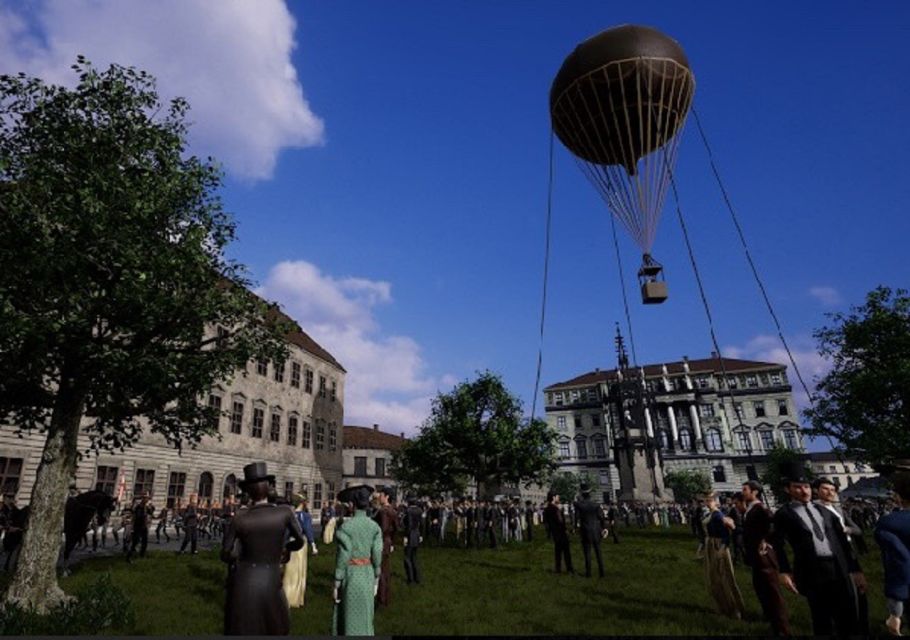
- 6 timed VR stops around the Castle District, each tied to a specific era
- Medieval-to-20th-century time jumps you can actually follow as you walk
- Buda Castle and Royal Palace moments built into the route
- A bird’s-eye view over Budapest that helps the city click into place
- Sterile headset and optional hygienic mask so you know the gear is handled properly
- 8 audio languages paired with a live guide for real context
Where the VR tour starts near the Chain Bridge
The tour meeting point is at Budapest, Lánchíd u. 23, 1013 Magyarország, right on the Buda side. It’s a very central starting spot—close enough to Chain Bridge that you’re already soaking in classic Budapest views before the headset goes on. You’ll want to arrive 15 minutes early, then look for the VR Tour flags facing the street.
Why that location matters: the first stretch sets you up for orientation. Budapest can feel like a lot of hills and angles until you connect landmarks. Starting near the bridge and then moving toward the Castle District helps you understand what you’re seeing instead of treating the city like a string of random postcards.
The tour ends back at the same meeting point, so you’re not stuck figuring out a new transit puzzle after the activity.
You can also read our reviews of more tours and experiences in Budapest.



Getting the headset on and understanding the language mix
After you meet your guide, you’ll be fitted with VR gear—this includes a sterile headset. If you prefer extra precautions, you can request a hygienic mask. You’ll also want to plan for a deposit requirement: you’ll be asked for your passport or ID card, or you can bring 200 euros as a deposit for the VR headset.
Audio is included, and it’s a smart way to keep things clear while you’re wearing equipment. Your audioguide is available in English, Chinese, German, Hungarian, Spanish, Russian, Italian, and French. On top of that, you’ll have a live tour guide in English and Hungarian who can guide you between stops and add explanation as you go.
One practical note: VR time can be disorienting for some people, especially if you’re prone to migraines. If you know that kind of sensory input triggers symptoms for you, this tour will likely feel like a bad bet.
The route: a light hike through the Castle District, not just a screen
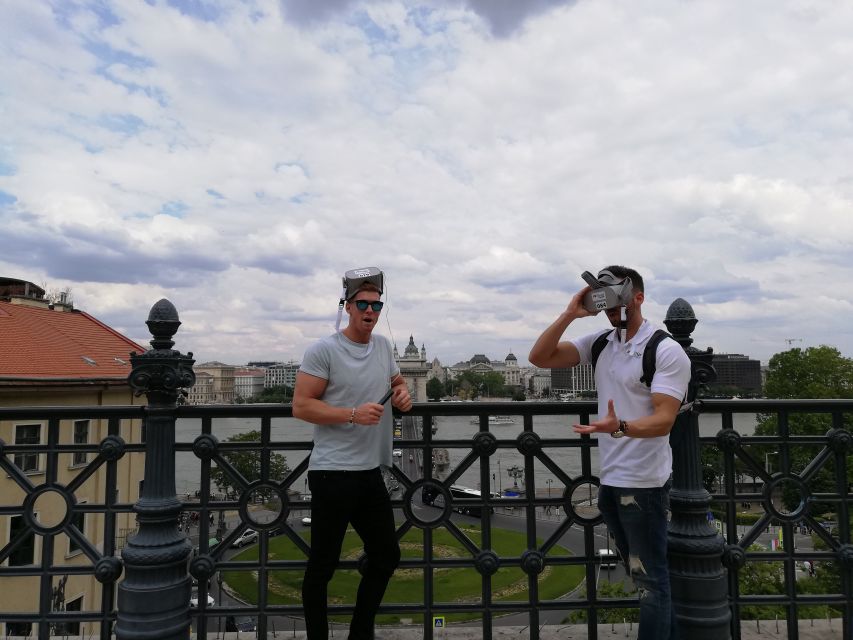
This experience is built around movement. You’re not just sitting and watching video. You’ll walk between stops with help from your guide, and the tour includes a light hike.
That matters because it changes the way the history lands. You’re seeing Budapest’s real stone streets and viewpoints while the VR layers reconstruct other time periods. The walking gives your brain a way to match “what’s here now” with “what used to be here,” even when you’re looking at reconstructed battle scenes or old construction work.
To make it comfortable:
- Wear comfortable shoes.
- Bring something to drink during hot summer tours.
- Take things slow at the walking segments, especially near viewpoints or uneven areas.
Time travel in six stops: medieval worksite to 1950s upheaval
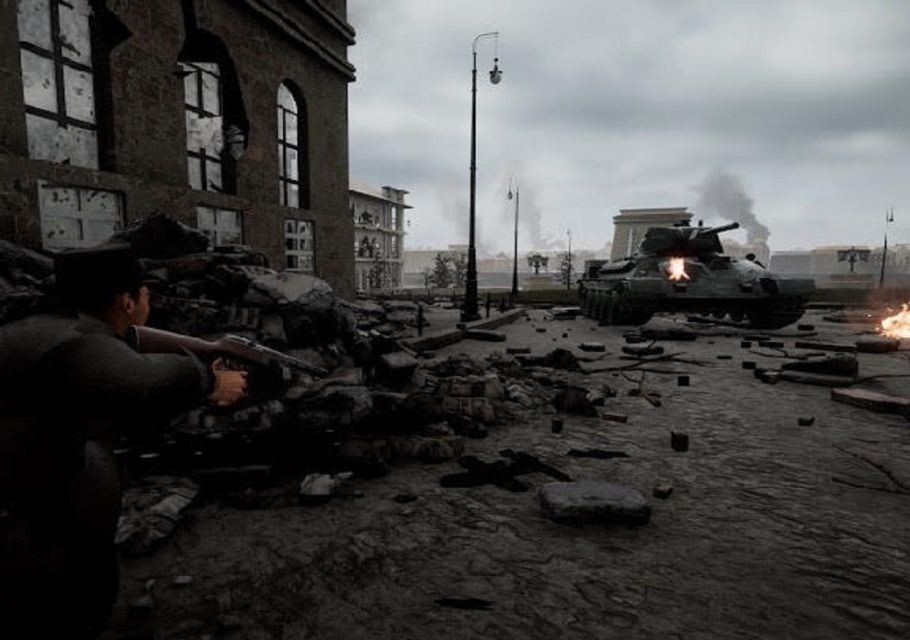
The strongest part of this tour is how it uses the same physical area—Budapest’s Castle District—and swaps the historical layers on top. Instead of learning events as a timeline you memorize, you experience them as scenes you can track while you change locations.
Here’s the arc you can expect across the six VR displays:
Stop 1 and 2: Buda Castle and the feeling of royal power
The tour highlights Buda Castle and the Royal Palace, and you’ll see them not just as architecture, but as something that shaped how people lived and where authority sat. Even if you’ve visited the area before, VR here helps you connect the scale and purpose of the space.
I like this approach because it’s visual. You don’t need to be a history buff to understand “this mattered.” When the VR layer aligns with what you’re looking at outside, it turns a pile of buildings into a story with momentum.



Stop 3: Medieval construction—watch the castle become itself
One of the big “wow” jumps is when you’re rocketed back to the middle ages during castle construction. This is the part that makes the tour feel different from a standard walking history tour. You’re not only hearing about how something was built—you’re seeing the process with your viewpoint tied to the location.
A good way to think about it: medieval scenes can be abstract when described. Here, they become concrete, which makes details easier to remember later.
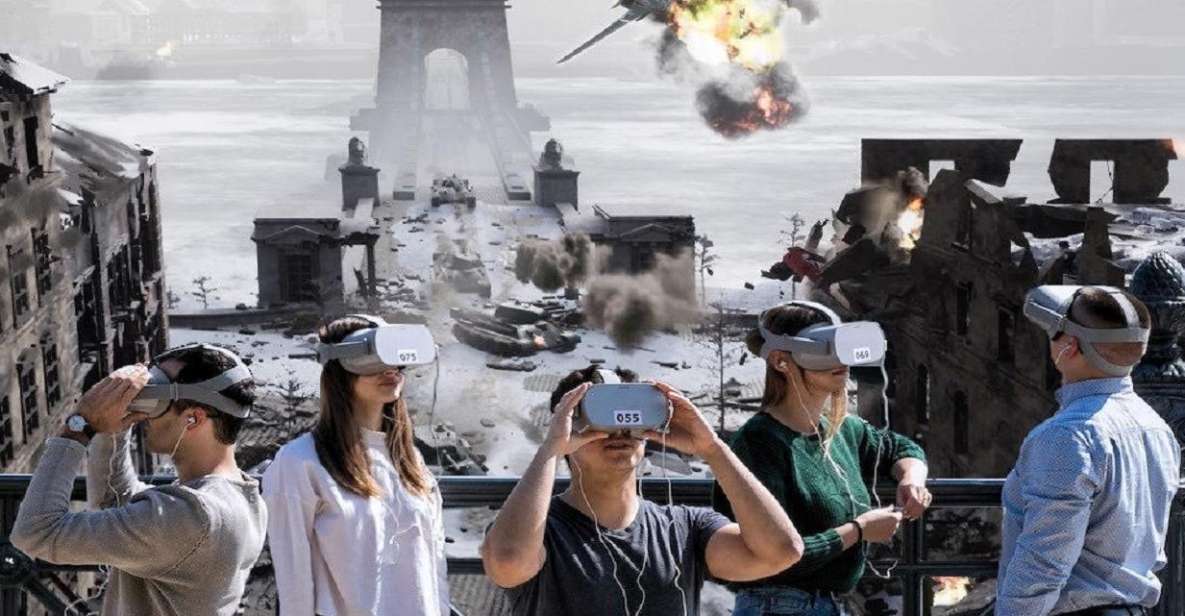
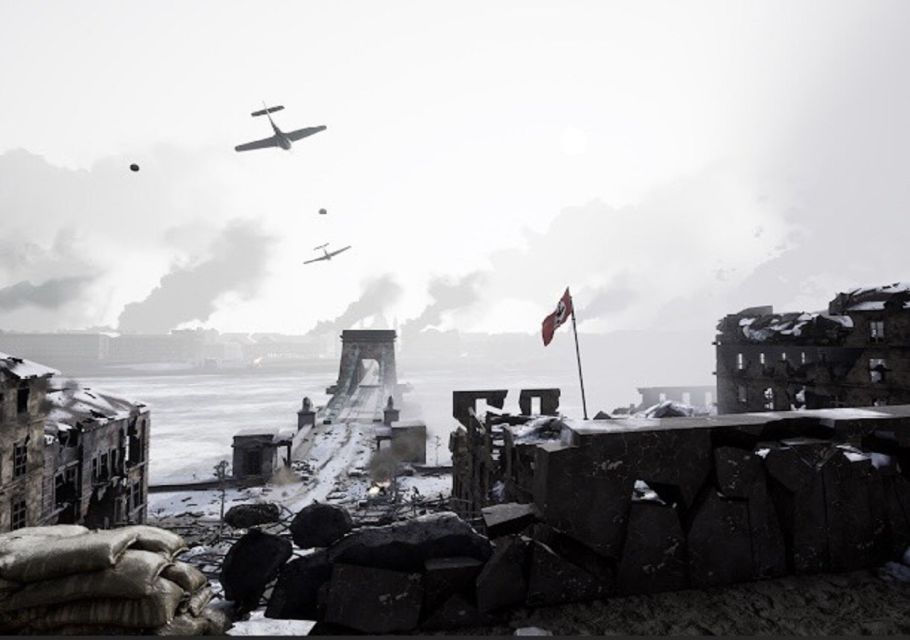
Stop 4: Battles and destruction in World War II
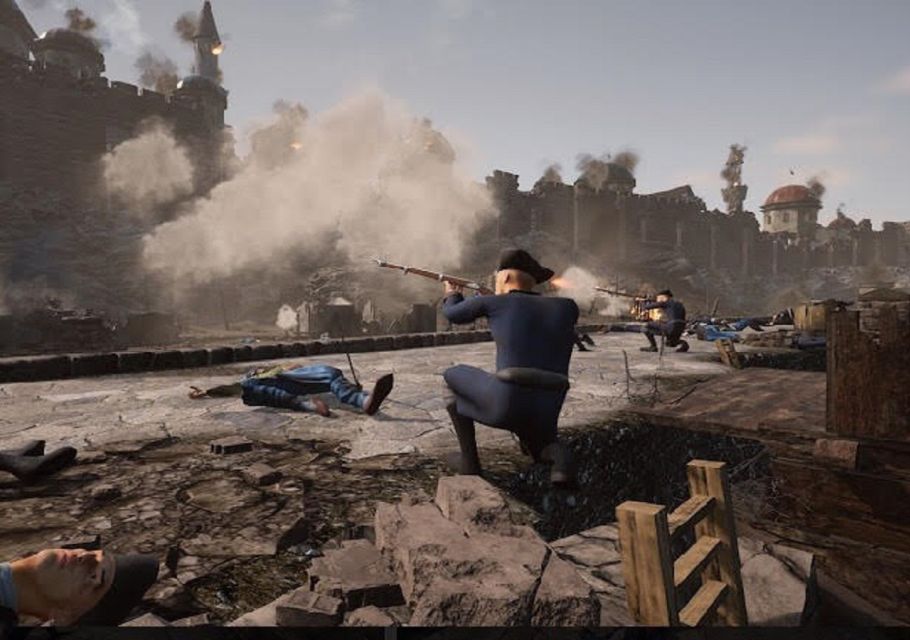
Then the tour moves into the brutal reality of World War II, including battles and destruction. This is where VR can feel heavy, and that’s also where the guide’s context matters. You’ll get an audio guide narration that walks you through what you’re watching and why it matters in Hungarian history.
If you prefer history in a more solemn tone, you’ll likely appreciate this section. It’s not just spectacle; it’s framed as context for real events that left scars on the city.
Stop 5: The 1956 Hungarian Revolution breaks out
Next comes 1956, when the Hungarian Revolution breaks out. The VR stops here are built to show how political shifts and public resistance changed what people experienced day to day.
This is one of the most valuable parts for first-timers, because 1956 is central to Hungary’s modern story and it often gets reduced to one line in travel conversations. Here, you get the scene plus the explanation of why those moments matter.
Stop 6: A bird’s-eye view to stitch it all together
The tour finishes with a bird’s-eye view over the whole city. It’s a practical finale: it gives you a mental map after the time jumps. Once you see Budapest from above, the Castle District stops making sense as a single hill—your understanding expands outward.
That kind of wrap-up view can be worth as much as the VR scenes themselves, especially if you’re the type who likes to walk around afterward with your own mental model.
Why the guide-led narration makes the VR feel educational
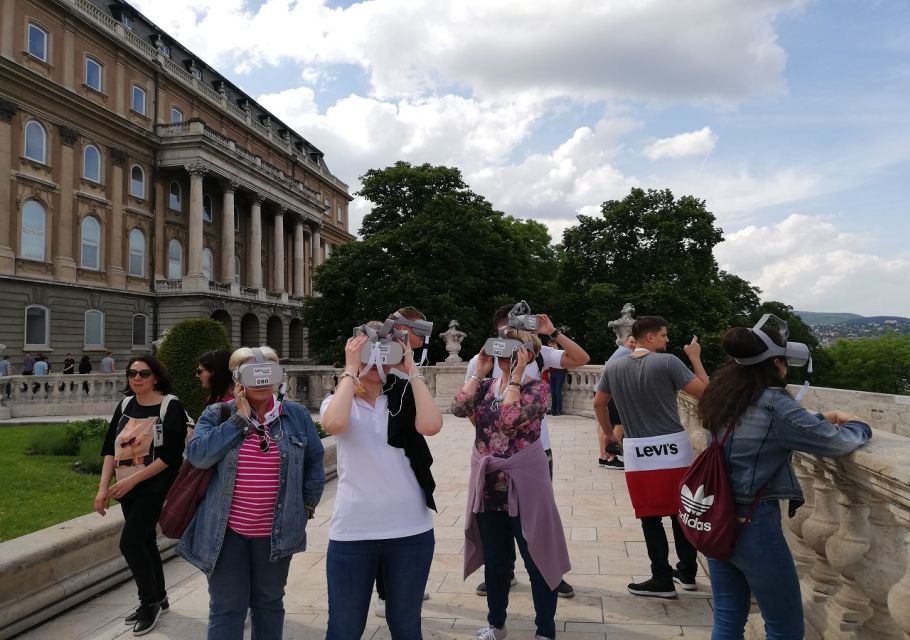
A lot of VR experiences are “watch and hope it sticks.” This one does more. During the VR stops, an audioguide explains what’s unfolding and provides context for the importance of each event in Hungarian history.
Then, between stops, your guide helps you with the walking route and keeps you oriented. That combination is why the experience tends to land well for people who want history without a lecture style.
I’d also call out the language flexibility: with a live guide plus audio in eight languages, you’re less likely to feel lost if your Hungarian is basic. You can follow the story even when the visuals are doing a lot.
Price and value: is $39 worth it?
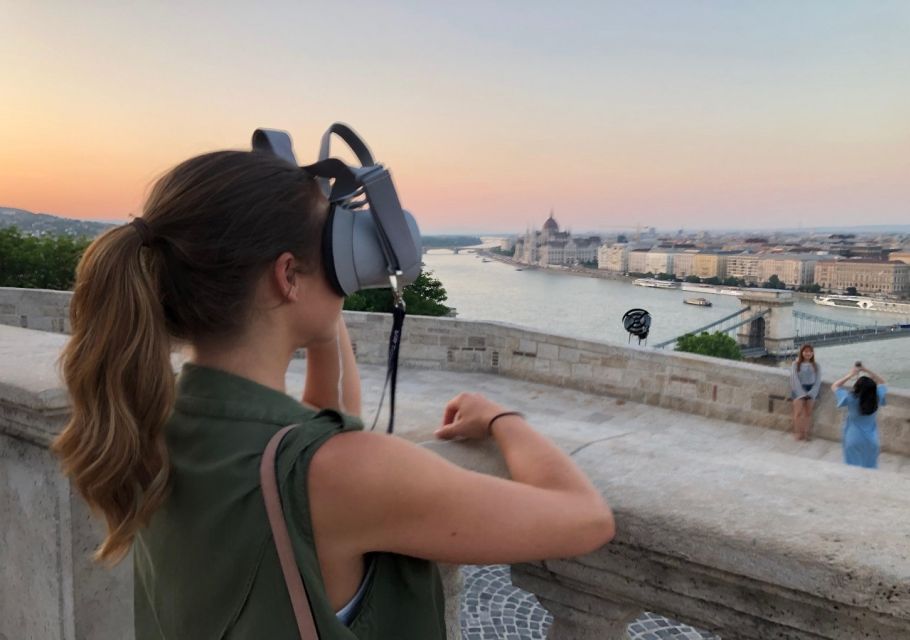
At $39 per person, the value depends on what you want most: “a quick history hit” or “a memorable way to learn the city’s turning points.”
Here’s why it can be good value:
- You’re getting VR gear, a sterile headset, and a guided route with multiple VR displays.
- The tour includes audioguides in eight languages, which reduces the “language mismatch” problem.
- The experience is time-efficient: roughly 1.5 hours listed, with the full experience running closer to about 2 hours when you include setup and walking.
One reason it may not feel like a bargain: it’s specialized. If you dislike VR, if you’re sensitive to visual intensity, or if you’re not interested in the specific historical eras (medieval construction, WWII, 1956), then the ticket becomes harder to justify.
If you do enjoy visual learning and want a route that feels like a story, the price feels fair for what you actually receive.
When this tour is a great fit (and when to skip)
This is a strong choice if you:
- Want to see Buda Castle and the Royal Palace with extra context.
- Like learning through visuals, not just reading plaques.
- Have limited time but still want a meaningful slice of Budapest’s story.
- Appreciate a guide who ties scenes to historical importance, not only dates.
This is a tough fit if you:
- Have a history of migraines (it’s specifically noted as not recommended).
- Fear heights (and you should take that warning seriously).
- Have epilepsy.
- Have heart problems.
- Need mobility accommodations, because it’s not suitable for people with mobility impairments.
VR can amplify sensory triggers, and the tour includes walking, so your comfort matters more than the itinerary “on paper.”
Practical tips to get the most from your VR stops
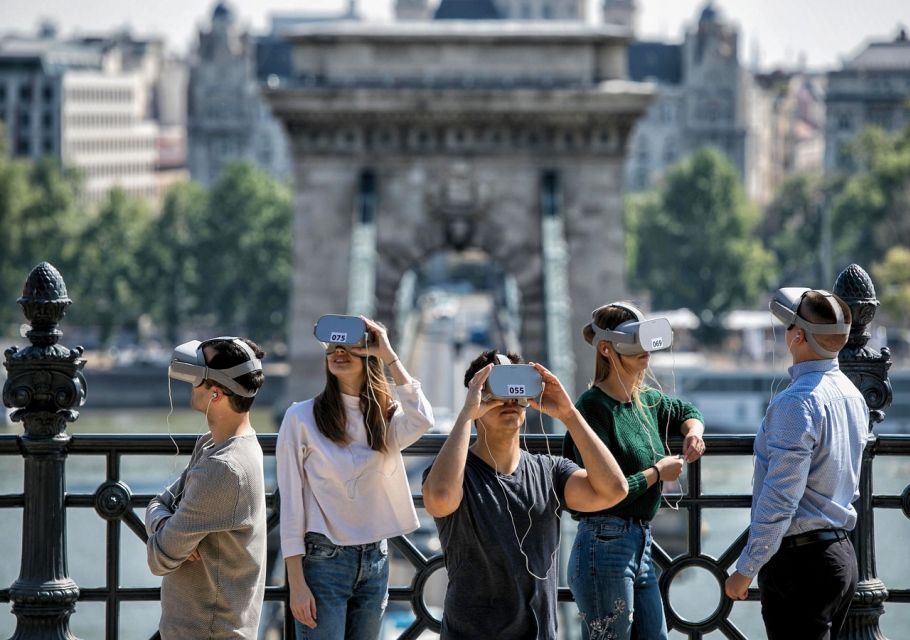
These small choices make the experience smoother:
- Bring your passport or ID (or 200 euros deposit) so you’re not stuck at the last minute.
- Wear comfortable shoes. The tour includes a light hike.
- Bring water during hot weather tours.
- If you’re unsure about VR sensitivity, consider whether bright, intense scenes tend to bother you at home too.
- Plan to take the walking segments slower than you normally would. The stops are part of the show.
Also, look at the route as a matching game. When you step from one location to the next, try to notice what you’re seeing outside. Then let VR do the “translation” into a past you can follow.
Should you book the Budapest VR history tour?
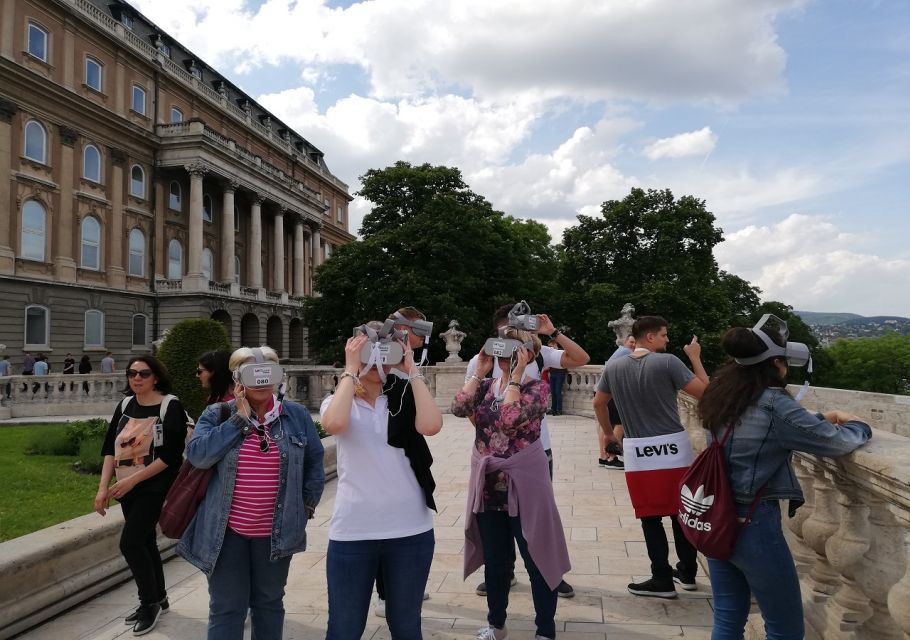
I think this is an easy yes if you want something memorable that teaches more than a typical viewpoint stop. The mix of six VR scenes, a guided route through the Castle District, and the language-friendly audioguide setup makes it a solid option for people who like history presented with clarity and pacing.
Skip it if any of the listed health and comfort categories apply to you—migraines, epilepsy, heart problems, fear of heights—or if you know VR affects you badly. Also, if you hate walking even a little, the light hike part could wear you down.
If you fit the “VR-friendly and history-curious” profile, this is one of those Budapest activities that can turn the city from “pretty buildings” into a timeline you can feel in your feet and your eyes.
FAQ
How long is the Budapest VR tour?
The duration is listed as 1.5 hours, and you should check availability for the specific starting times. The overall experience runs for about 2 hours including the VR stops and walking.
Where do I meet the guide?
Meet at Budapest, Lánchíd u. 23, 1013 Magyarország. Look for the VR Tour flags facing the street and plan to arrive 15 minutes early.
What VR content will I see?
You’ll visit multiple VR displays tied to major moments, including scenes around Buda Castle and the Royal Palace, medieval construction, World War II battles and destruction, the 1956 Hungarian Revolution, and a bird’s-eye view over the city.
Are there multiple languages available?
Yes. A live tour guide is available in English and Hungarian. The included audio guide is available in English, Chinese, German, Hungarian, Spanish, Russian, Italian, and French.
Is the headset hygienic?
The headset is described as sterile, and hygienic masks are available upon request.
Do I need to bring identification or pay a deposit?
You’ll need to bring a passport or ID card, or you can bring 200 euros as a deposit for the VR headset.
What should I wear and bring?
Wear comfortable shoes. Bring something to drink during hot summer tours. Also bring your passport, ID, or 200 euros as noted above.
Is the tour suitable for everyone?
No. It’s not suitable for people with mobility impairments, people with heart problems, people who are afraid of heights, people with epilepsy, and it is not recommended for people who suffer from migraines.
Is free cancellation available?
Yes. You can cancel up to 24 hours in advance for a full refund.