REVIEW · BUDAPEST
Budapest Half-Day Tour: Life Behind the Iron Curtain
Book on GetYourGuide →Operated by Budapest Day Trips · Bookable on GetYourGuide
Cold War ghosts still hang over Budapest. In a half-day, you’ll see Terror Museum facts plus the oversized symbols at Memento Park, all tied to real places you can stand in. The drawback: this is heavy history, so if you want only cheerful sights, you might feel the weight.
What I like is the pacing. You get a private guide, pickup options, and a mix of driving and walking so you can cover big landmarks without turning it into a full-day grind. You’ll also end with a surprisingly light stop on the Children’s Railway, which makes the whole experience feel balanced rather than one long downer.
One more consideration: this tour is about occupation and repression, not general sightseeing. Go in ready to listen—especially in the museum—so you get the point behind every statue and memorial instead of just snapping photos.
In This Review
- Key things you’ll get from this Budapest Iron Curtain tour
- Cold War ghosts in Budapest: why this tour feels different
- Citadella and Gellert Hill: siege history plus the Liberty/Freedom Statue
- Terror House: the Communist era’s human cost, told with an audio guide
- Memento Park: the statues of Marx, Lenin, and Hungarian Communist leaders
- The Liberation-era story in one tour: from WWII siege to Cold War symbols
- How the half-day actually feels: private pickup, van time, and walking
- Ending on the Children’s Railway: why the finish matters
- What it costs and why it can be good value
- Who should book this Budapest Iron Curtain tour
- Practical stuff to know before you go
- Should you book the Budapest Half-Day Tour: Life Behind the Iron Curtain?
- FAQ
- How long is the Budapest Half-Day Tour: Life Behind the Iron Curtain?
- What does the tour cost, and is it private?
- Where are the pickup and drop-off locations in Budapest?
- Is an audio guide included for the Terror House?
- What’s included in the price?
- Do I need to pay extra for entry fees or bring ID?
Key things you’ll get from this Budapest Iron Curtain tour
- Citadella + the Liberty Statue panorama: WWII siege context paired with a landmark you’ll remember.
- Terror House with an audio guide: you’ll hear how Communist-era persecution worked, not just what happened.
- Memento Park’s 42 Cold War sculptures: big names like Marx and Lenin, plus Hungarian-Soviet symbolism, displayed outside the city.
- A private half-day flow: driving in between hills and sites keeps the day doable.
- A softer finish on the Children’s Railway: the ending helps your brain reset after the darker stops.
Cold War ghosts in Budapest: why this tour feels different
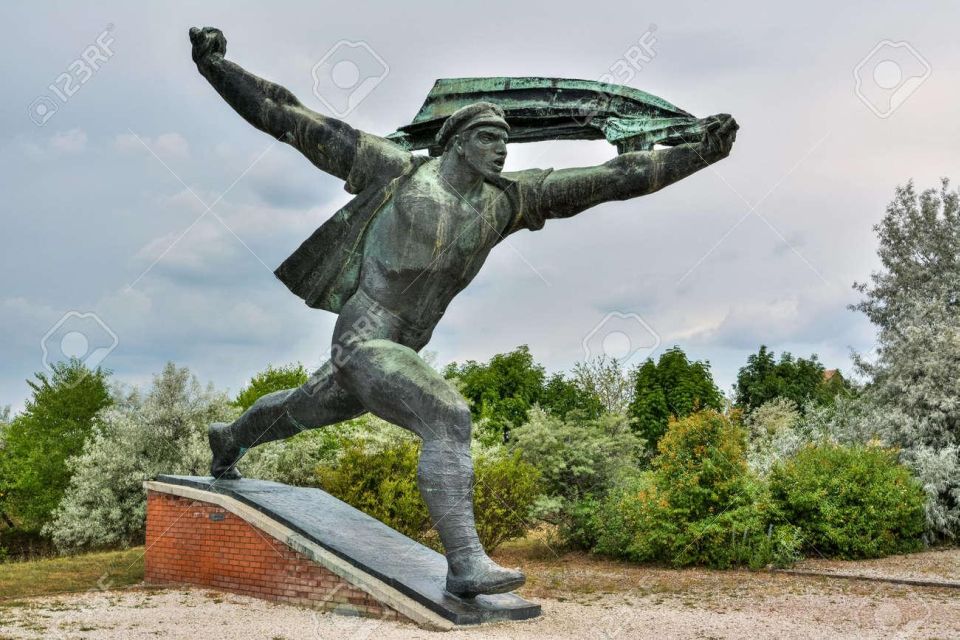
Budapest is full of monuments, but not all monuments explain the same thing. This tour focuses on the years after WWII when Hungary slid under Communist influence, and the city still shows those scars in stone, placement, and names.
The best part is that you’re not studying history in theory. You’re looking at the same hills, statues, and memorial spaces that were built to communicate power—then seeing how that power is interpreted today.
And you’ll notice something else: the tour doesn’t just point at the past. It helps you connect it. When you understand why certain statues were designed, where they were put, and why they were later moved, Budapest starts making more sense as a living city—not just a postcard.
You can also read our reviews of more tours and experiences in Budapest



Citadella and Gellert Hill: siege history plus the Liberty/Freedom Statue
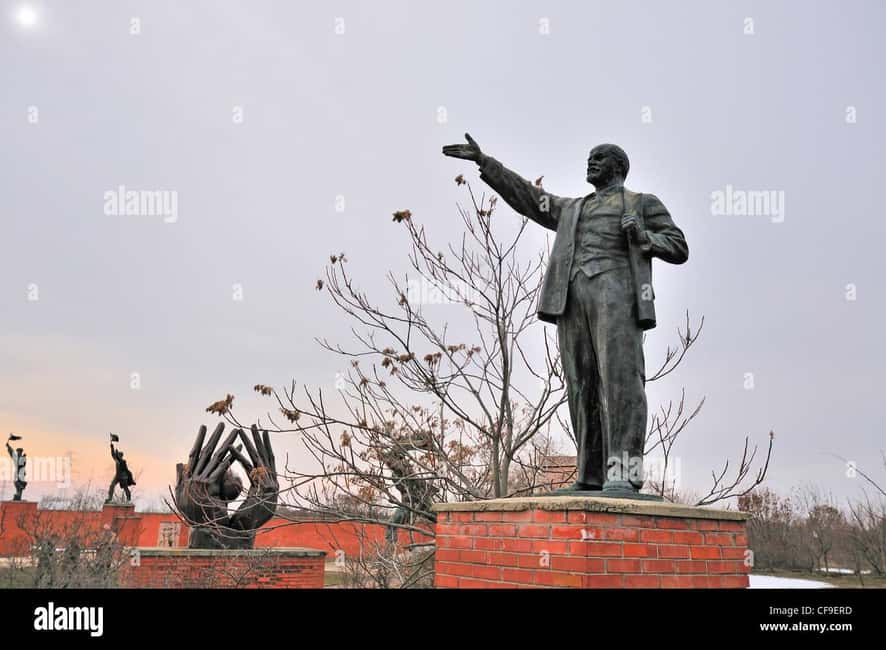
Your morning-or-midday arc (timing depends on the start time) runs through the story’s turning point. The Citadella area is tied to the siege of Budapest near the end of World War II, which is when the country’s occupation began in earnest. Standing in that landscape makes the timeline feel less abstract.
Then comes the Liberty Statue, also known as the Freedom Statue, on Gellert Hill. It’s a huge monument erected in 1947, and the numbers are part of the message: the pedestal is 26 meters high, and the statue adds another 14 meters. In other words, you’re not looking at a small memorial—you’re looking at dominance made visible from the city.
Here’s the twist that makes it worth slowing down. The Liberty Statue was originally dedicated to Russian troops, not to freedom in the modern, universal sense. Today it’s considered a symbol of freedom and a major piece of Budapest’s panorama, but the origin reminds you how propaganda can evolve into something that tourists interpret differently.
Tip for you: when you look at it, also look beyond it. Try to notice how the monument frames the city. That’s often how power was meant to work—make sure you keep the message in your line of sight.
Terror House: the Communist era’s human cost, told with an audio guide
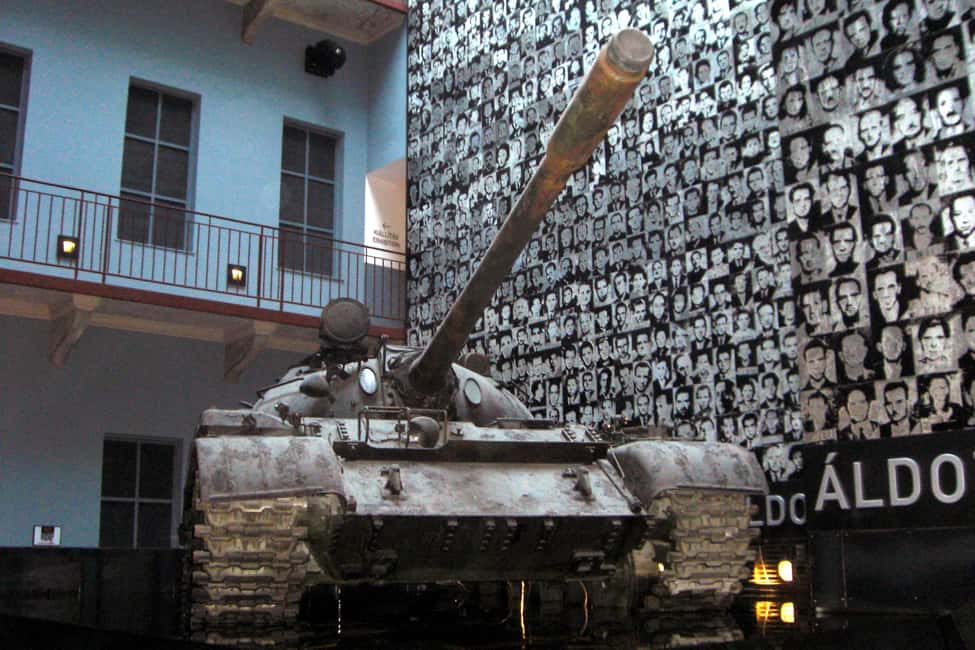
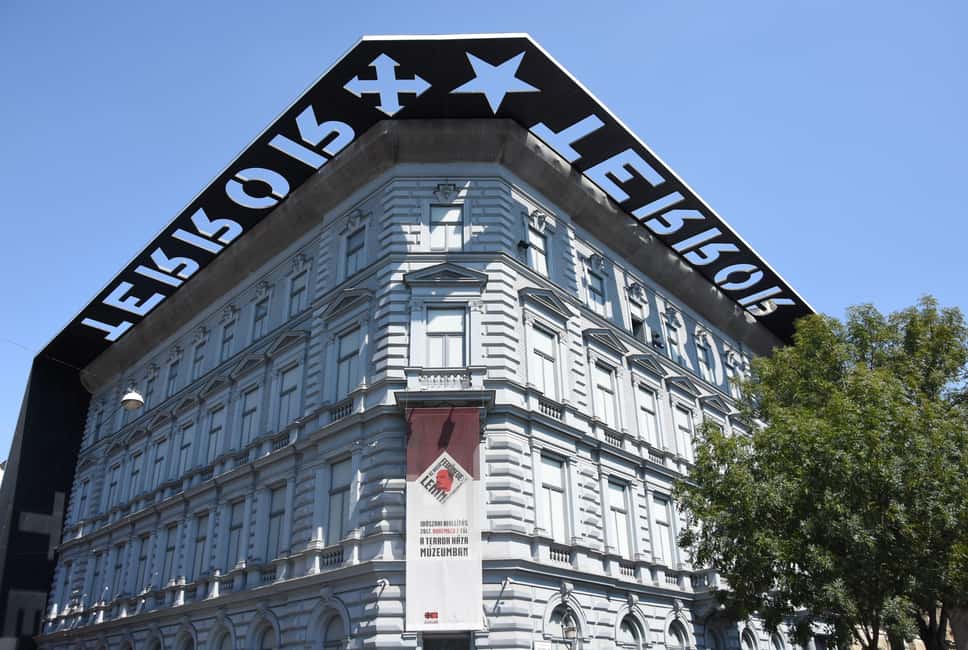
Next is the Terror Museum, also referred to as the Terror House. This stop is dedicated to people who were victims of the Communist era, and the tour includes an audio guide.
That audio guide matters more than it might sound. It helps you process what can be emotionally hard information without your guide having to rush through details. You can pause, replay, and read at your own speed, which is especially useful when you’re absorbing a system of repression rather than a single event.
What I like about this portion is its focus. It doesn’t stay at the level of slogans. It’s about victims. That changes how the earlier monuments land in your mind, because now the stone symbols have faces and consequences.
Possible drawback for some people: the subject is grim. There’s no way to make persecution feel light. If you know you get overwhelmed in museums, give yourself permission to move through it slower, or bring breaks into your day mentally.
Memento Park: the statues of Marx, Lenin, and Hungarian Communist leaders
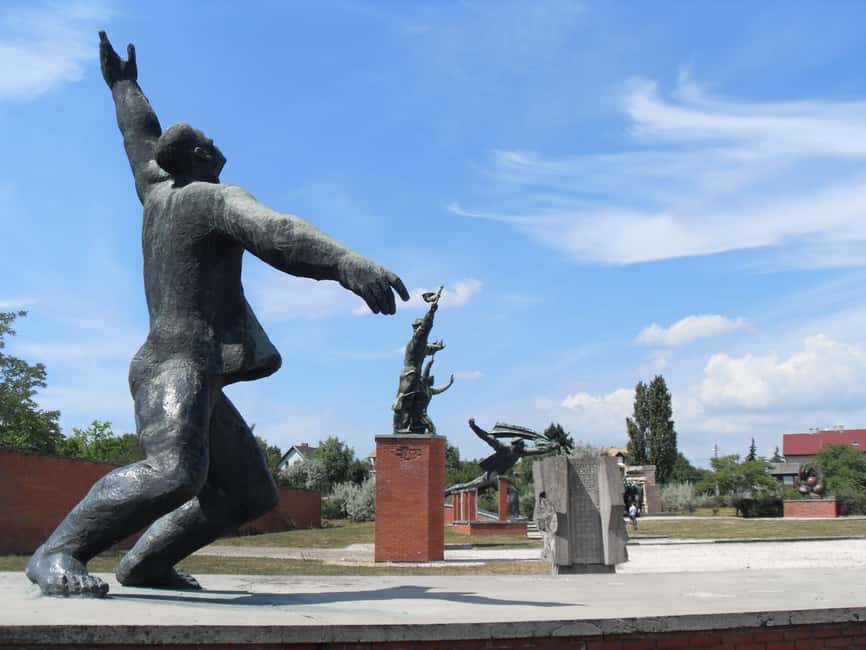
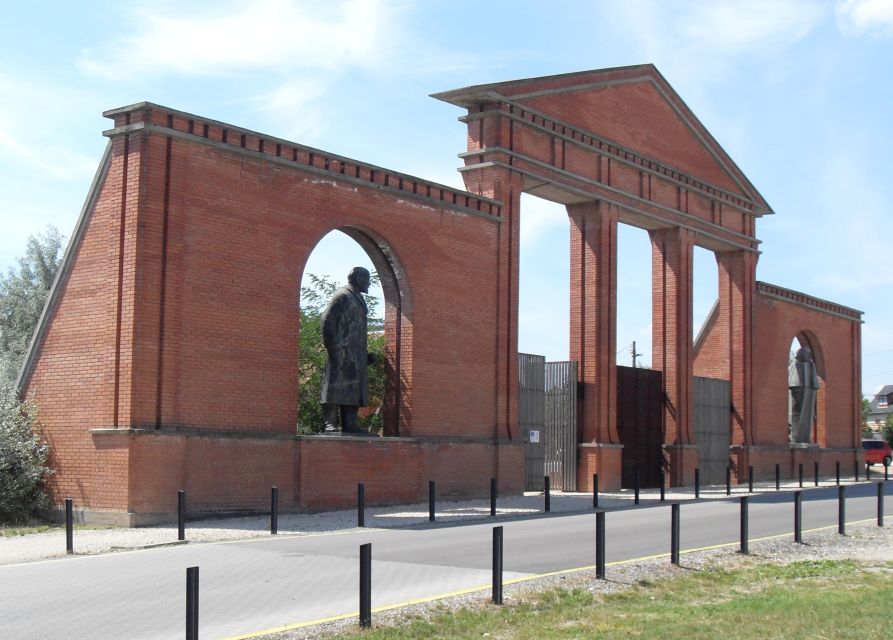
If you’re only prepared for one kind of “history museum,” this is the one that corrects you. Memento Park is an open-air museum where many Communist-era statues were relocated from the city.
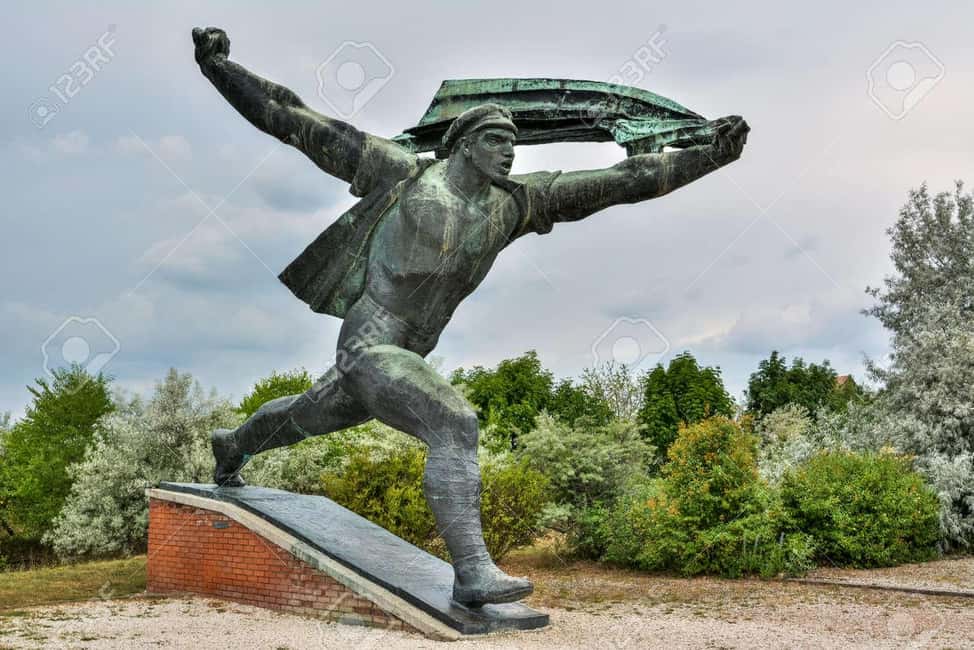
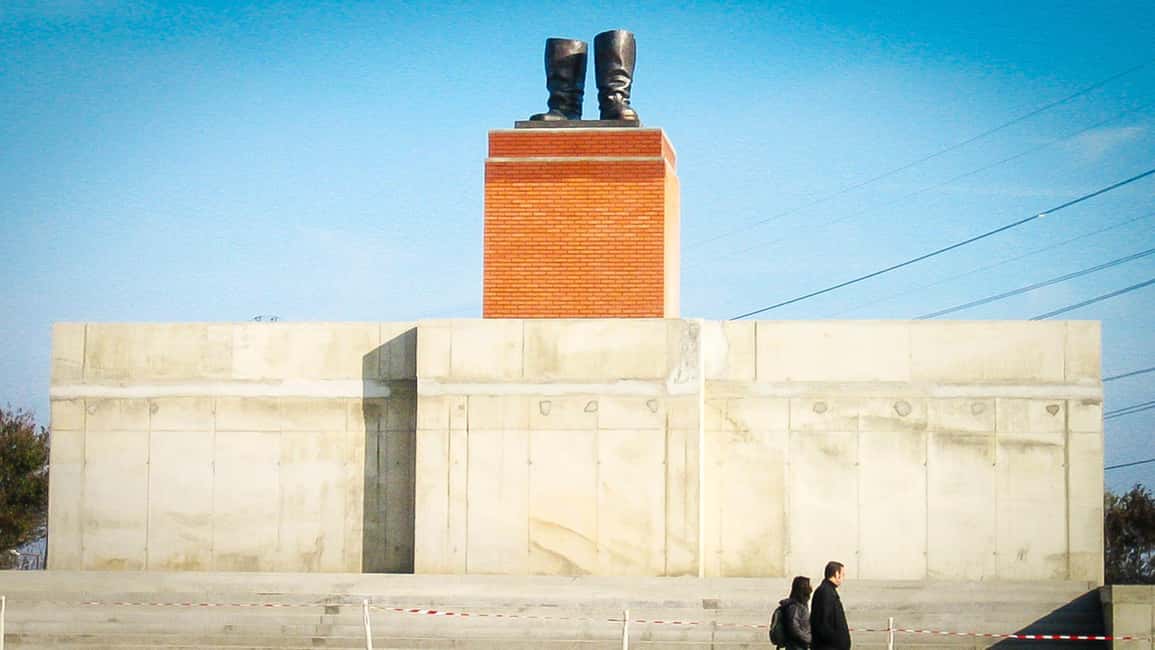
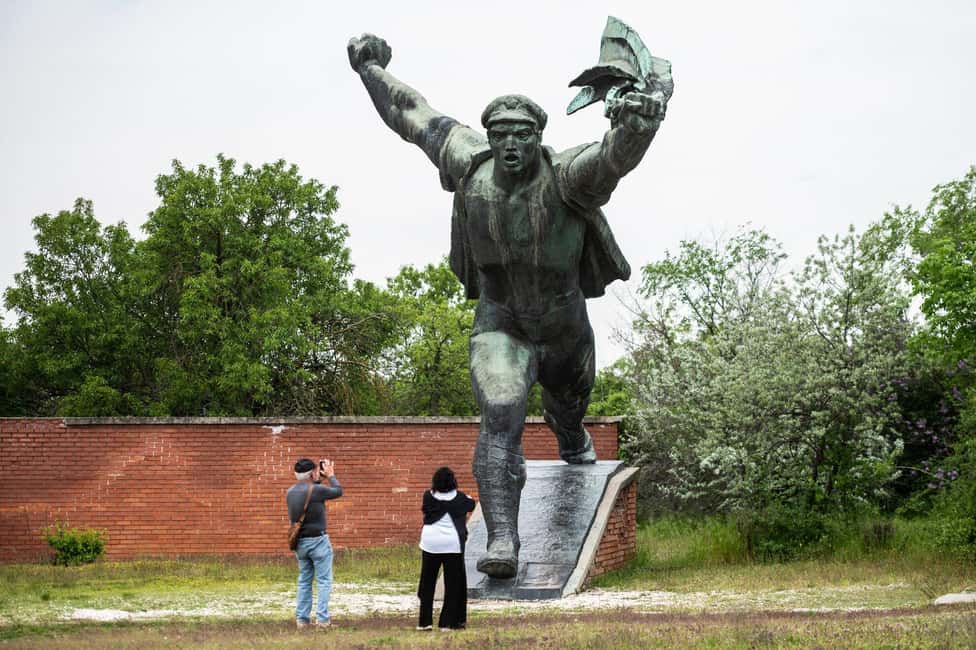
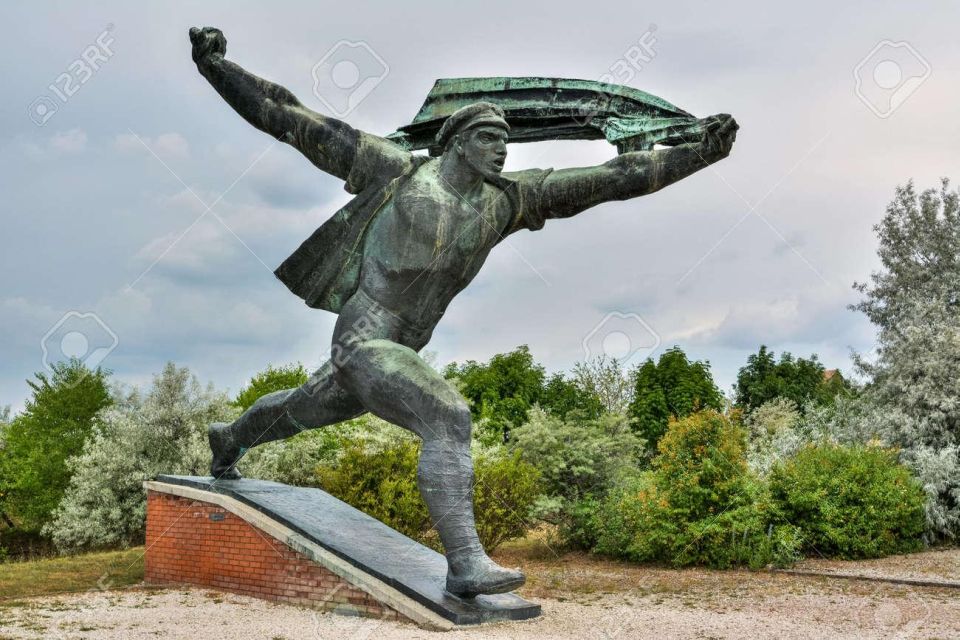
Your guide will show you major figures from the era, including Marx and Lenin, and other personalities such as Ostapenko. You’ll also see the Memorial of the Hungarian-Soviet Friendship. These aren’t just random sculptures—they were part of public messaging from 1945 to 1989, and they were placed where everyone could see them.
The park’s scale helps the story click. The collection includes 42 pieces, among them a 6-meter-high statue of the Liberation Army Soldier. Seeing that size in person is a reminder that ideology wasn’t a small poster campaign. It was built like infrastructure.
And there’s another smart layer to it: the statues were moved out of the city. That relocation tells you something important about how societies handle uncomfortable symbols over time. In other words, you’re not only viewing history—you’re watching the city renegotiate what it wants to remember in public.
If you want practical help while you’re there: look for how names and themes repeat—friendship, liberation, leadership—and then compare how the styles of the monuments reinforce those themes. You don’t need art history training to spot the pattern.
The Liberation-era story in one tour: from WWII siege to Cold War symbols
This half-day is structured to create cause and effect. Citadella sets the late-WWII stage, the Liberty Statue turns that into an architectural statement of power, and then the Terror House forces you to face what that power meant for individuals.
After that, Memento Park shows how Communist messaging became permanent and public—and how it later got managed when the political reality changed.
That chain is where the value is. A standard “see the sights” tour could scatter monuments around Budapest with no connecting logic. Here, you get a thread: occupation → propaganda in the skyline → repression in daily life → post-Communist reckoning.
And your guide’s job is to keep that thread visible, not hidden behind facts. In a private setting, you can ask the practical questions you actually care about, like why certain monuments were placed where they were or what the symbols were meant to signal at the time.






How the half-day actually feels: private pickup, van time, and walking
This is a private group tour, sized for comfort, priced per group up to six people. That matters because you can move at a pace that fits your group rather than getting swept along with dozens of strangers.
You also get pickup from selected Budapest districts: District XI, District V, and District VII. That flexibility helps if you’re staying in one of the central neighborhoods and don’t want to plan transport around multiple hills.
Expect a mix of driving and walking. The route includes transfer time between sites—so you spend less energy on transit and more time looking at what you’re there for. You’re also not locked into a single long walk up and down steep areas for the entire tour.
One small consideration: because it’s a half-day, you’ll want to stay focused. This isn’t a “linger forever” museum stroll. It’s designed for meaningful coverage with guidance, so you may not have hours at each stop.
That’s not a flaw if you’re smart about it: treat each location like a chapter. Listen, observe, ask one or two questions, then move on while the story is still fresh.
Ending on the Children’s Railway: why the finish matters
After the seriousness, you finish with something that feels almost like a palate cleanser: the Children’s Railway in the Buda hills.
It originally opened as the Pioneer’s Railway in 1949, and it was operated by children aged 10 to 14. That detail keeps the theme from disappearing completely. Even this lighter ending has a historical flavor, because it links the era’s youth culture and training programs to the modern attraction.
Why I appreciate this ending: it gives your brain a place to land. You’re not carrying the weight of the Terror House straight into evening plans. Instead, you end with a ride that’s memorable for different reasons—views, movement, and a calmer atmosphere.
Also, it’s a reminder that history isn’t only made of suffering. People lived whole lives under political systems—school, play, work, and yes, transportation. That context helps the earlier stops feel less like isolated exhibits.
What it costs and why it can be good value
The price is $511 per group up to 6, with a duration of about 5 hours. On paper, that might look like a lot. In practice, the value depends on how you’d otherwise handle transport plus a private guide.
Here’s what you’re getting that’s hard to piece together cheaply:
- Private guide for a focused half-day
- Transfers included
- Entry into Memento Park included
And some other important notes for your budgeting:
- Entry fees are not listed as included in general, so you should expect that some sites may require extra payment.
- Lunch isn’t included, so plan for a snack or meal before or after.
For you, the “value” question is really this: do you want context and explanation, or do you want to wander? If you’re the type who likes understanding why a monument exists and what it meant when it was new, a guided private tour is often the better deal than paying for transport and then guessing your way through symbol-heavy places.
If you’re traveling as a couple, you’ll also want to consider how many other people you could realistically fit into the group size. The per-group model can make it more manageable when shared.
Who should book this Budapest Iron Curtain tour
This tour is a strong match for you if:
- You want more than “pretty city views” and you’re curious about how power shaped public space.
- You like tours with a clear theme and an actual narrative arc.
- You want a private guide so you can ask questions as you go.
You might want to skip it (or at least mentally prepare) if:
- You’re looking for light, casual sightseeing only.
- Museum topics about persecution and state terror are a bit too much for your comfort.
- You prefer totally open time, because this is a structured half-day.
Best fit by travel style: history-minded travelers who still appreciate good logistics—pickup, a clear route, and a guide to keep the story coherent.
Practical stuff to know before you go
A few details will help your day go smoothly:
- Bring a passport or ID card.
- The tour offers multiple guide languages: English, Spanish, Italian, German, Russian, French, Portuguese.
- Pickup is offered from District XI, V, and VII, and drop-off returns to those areas.
- The tour is wheelchair accessible.
- You’ll get an audio guide included with the Terror House component.
Also, plan for the fact that the subject matter is serious and the schedule is tight. Wear comfortable shoes. Even when the van does part of the work, you’ll still be stepping around memorial spaces and taking in viewpoints.
Should you book the Budapest Half-Day Tour: Life Behind the Iron Curtain?
I think you should book it if you want Budapest to mean something beyond architecture and rivers. The combination of Citadella, the Liberty Statue, the Terror House, and Memento Park gives you the timeline you’d otherwise have to assemble yourself. And the finish on the Children’s Railway is a smart way to keep the day human, not just grim.
Skip it if you mainly want classic sightseeing with minimal emotional weight. This is history you can feel, and that’s exactly why it works.
If you do book, choose it for the narrative and the private attention, not just the list of stops. This is the kind of tour that pays off when you show up ready to listen and look.
FAQ
How long is the Budapest Half-Day Tour: Life Behind the Iron Curtain?
The tour duration is 5 hours.
What does the tour cost, and is it private?
It’s $511 per group (up to 6 people) and it’s a private group tour.
Where are the pickup and drop-off locations in Budapest?
Pickup and drop-off are available in District XI, District V, and District VII (you choose among the options).
Is an audio guide included for the Terror House?
Yes, an audio guide is included for the Terror House.
What’s included in the price?
Included items are transfers, a guide, and entry into Memento Park.
Do I need to pay extra for entry fees or bring ID?
Entry fees are not included, and you should bring a passport or ID card.