REVIEW · BUDAPEST
Budapest Bike Tour with Hungarian Goulash
Book on Viator →Operated by Budapest Bike Breeze · Bookable on Viator
Budapest looks better at bicycle speed. In about four hours you’ll cruise past major sights like St. Stephen’s Basilica and Parliament on bike lanes and mostly flat ground, then warm up with Hungarian goulash at a real-food stop. I like how the route strings together big-picture highlights in a way that feels manageable, not exhausting, and I love that the food break is built into the experience instead of feeling like an add-on. The one thing to keep in mind is that you still need confident bike skills and a bit of patience, since multiple photo moments and group pace can stretch the ride.
This is also one of the better-value ways to get oriented fast: you’re not stuck in a bus seat, and the group stays small (max 12). If your guide is someone like Feri, Anna, Barbara, or Katia, you’ll likely get that same winning combo—clear stories, steady pacing, and time to stop for pictures—without turning every stop into a sprint. You’ll ride with a local, use a hybrid 21-speed bike, and keep moving with water in hand.
In This Review
- Key things to know before you pedal
- Price and value: is $42.93 a smart deal?
- Getting started: bikes, helmets, and the meet-up point
- The ride style: easy sightseeing, not a race
- Elizabeth Square to Andrássy Avenue: where you learn the city’s attitude
- Hungarian State Opera House: the stop that’s all about details
- Heroes’ Square and City Park: statues, then scenery
- Near Széchenyi Baths: a peek without the full day commitment
- House of Music and the City Park vibe: culture with a quick rhythm
- House of Terror and St. Stephen’s Basilica: two emotional stops in one arc
- Chain Bridge and Parliament: the Danube’s grand geometry
- Buda Castle District and Castle Garden: viewpoints that help you plan the rest
- The goulash break: warm fuel, not just a snack
- What to watch out for (so you have fun, not stress)
- Who should book this Budapest Bike Tour?
- Should you book? My practical verdict
- FAQ
- How long is the Budapest Bike Tour with Hungarian Goulash?
- What does the $42.93 price include?
- Is an e-bike available?
- Do you offer vegetarian goulash?
- Is the House of Terror Museum included in the price?
- What group size should I expect?
- Do I need a certain level of biking ability?
- Where is the meeting point and what time does it start?
- What’s the cancellation policy?
Key things to know before you pedal
- Mostly-flat, bike-lane routing that keeps the ride easy and sightseeing-focused
- UNESCO-stamped boulevards like Andrássy Avenue, plus landmark stops you’ll recognize instantly
- Goulash and water included, with a warm break timed for the middle of the tour
- Thermal bath and park area photo stops, including a peek near Széchenyi Baths
- Small group size (12 max) that makes it feel personal, even when the city traffic gets busy
- Optional e-bike if you want extra help on any stretch
Price and value: is $42.93 a smart deal?
At $42.93 per person for a roughly 4-hour guided ride, the value comes from what’s bundled. You get the local guide, bike + helmet (helmet use isn’t compulsory), water refreshments, and a Hungarian specialty meal—goulash—plus enough landmark stops to build a real mental map of the city.
What you don’t pay inside the price:
- Gratuities (optional, as you choose)
- Hotel pickup/drop-off
- House of Terror Museum admission (it’s specifically marked not included)
In practical terms, it’s a good buy if you want “top hits plus context” without doing a bunch of separate tickets and transfers. If you’re the type who prefers long museum time and slow wandering, you may still want to book additional visits after the tour—because most stops are short by design.
You can also read our reviews of more cycling tours in Budapest



Getting started: bikes, helmets, and the meet-up point
The tour starts at 10:00 am back at Budapest, Rumbach Sebestyén u. 10, 1075. Plan to arrive a few minutes early so you’re not rushed during the bike-and-helmet setup.
You’ll pick up the hybrid 21-speed quality bike and you’ll get a quick safety overview before rolling out. The terrain is described as mainly flat, and the route uses bike lanes, which matters in Budapest because traffic conditions can vary block to block. If you’re unsure about cycling in any city at all, this is the part where you decide if you’re comfortable: the tour doesn’t hide behind “easy” marketing. You genuinely need to ride safely and keep an easy, pleasant speed with the group.
Also note: helmets aren’t required, but they’re available. If you’re even slightly on the fence, wear one. It’s included, and you’ll likely feel better right away.
The ride style: easy sightseeing, not a race
This isn’t a tour where you stop every two minutes, but it’s also not a drive-by. The pace is light, with frequent narration and short photo pauses. You’ll spend a lot of time moving along major corridors where Budapest’s architecture does a lot of the talking.
A detail I appreciate in tours like this is the “rhythm”: ride, brief explanation, look, take a photo, move on. That works especially well here because the route ties together both sides of the city—the grand Pest side highlights and the dramatic Buda Castle District viewpoints.
The main drawback to watch for is simple: groups move at human speed. If someone rides slower, takes extra-long photos, or asks a lot of questions, the tour can run a bit longer. The scheduled experience is about four hours (with prep, it ends around 14:00), but timing can shift.
Elizabeth Square to Andrássy Avenue: where you learn the city’s attitude
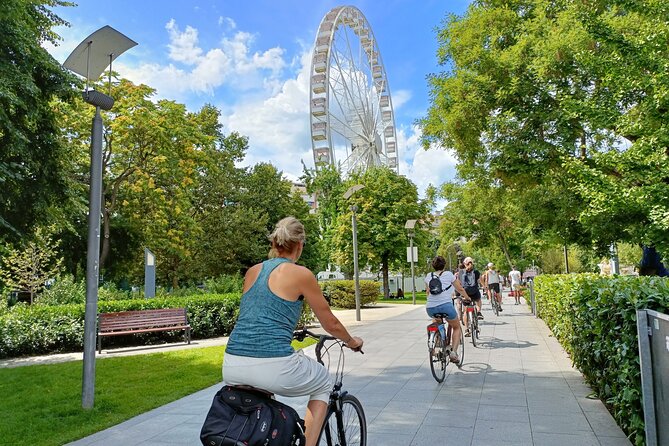
Right after you start, you’ll get a short history overview around Elizabeth Square, with the Budapest Eye Ferris wheel and the Danube Fountain nearby. It’s a useful opener because you’re not just collecting sights—you’re starting to understand how the city is organized and why certain areas matter.
From there, you roll onto Andrássy Avenue, a UNESCO World Heritage site and one of Budapest’s most prestigious boulevards. This is where the ride feels particularly classy: you’re on a light pace, cruising along neo-Renaissance architecture while the guide explains what you’re seeing and where it fits into the city’s story.
Practical tip: bring your camera early for this stretch. Andrássy Avenue is visually “loud” in the best way, and you’ll likely want pictures without having to scramble at the last second.
Hungarian State Opera House: the stop that’s all about details
A quick hop brings you to the Hungarian State Opera—a neo-Renaissance building known for ornamentation and acoustics. The stop is short, but it’s timed well: you’re already in that architectural mood from Andrássy Avenue, so the Opera House lands as a highlight rather than a random detour.
What I like here is that the narration isn’t only about the building. You also get context tying the Opera House to the boulevard itself, Hungarian musicians, and even the note about the first subway line on the continent. That kind of added detail helps you connect the physical place to the bigger picture.






Heroes’ Square and City Park: statues, then scenery
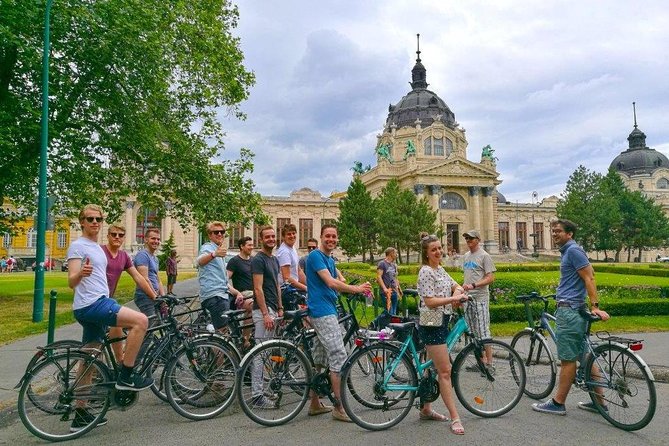
Next up is Heroes’ Square, one of Budapest’s most iconic grand plazas, surrounded by the Millennium Monument and statues of important figures in Hungarian history. The guide explains what you’re looking at, which is a big deal here—without that, you’d just see impressive stone from a distance.
Then the tour eases into City Park (Városliget) and the area around Vajdahunyad Castle. This stop feels like a fairy-tale scene in the right light. Vajdahunyad Castle is known for showing different architectural styles from Hungary’s past, and it’s also tied to the Museum of Hungarian Agriculture.
You’ll also pass by the lake near Vajdahunyad Castle. In winter it becomes an ice-rink, but even outside that season it’s a strong photo angle—especially if you like your Budapest shots with water reflections.
Near Széchenyi Baths: a peek without the full day commitment
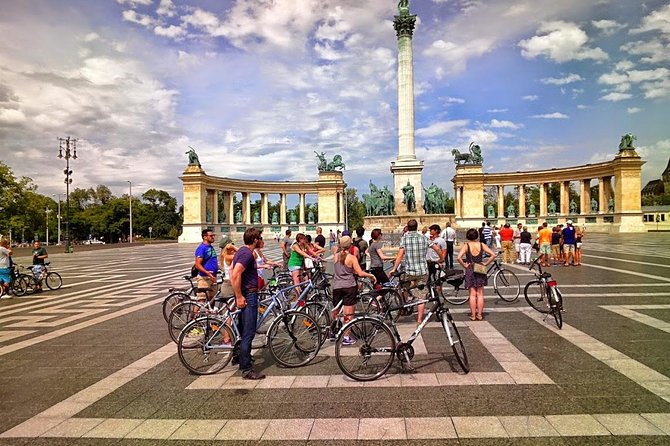
One of the smartest parts of this tour is that it gives you a Széchenyi Baths moment without requiring you to spend your afternoon managing a full spa plan. You stop at the bath area and get a brief look at the thermal pool setting, plus an explanation of Hungarian bathing culture.
Even if you never step into the baths during your trip, this still helps. You’ll understand why Széchenyi matters and what you’re seeing when you later decide to go inside on another day.
If you do plan to visit the baths, treat this tour stop as your “preview ticket.” It helps you choose what kind of bathing experience you want: big and historic like Széchenyi, or something smaller and calmer elsewhere.
House of Music and the City Park vibe: culture with a quick rhythm
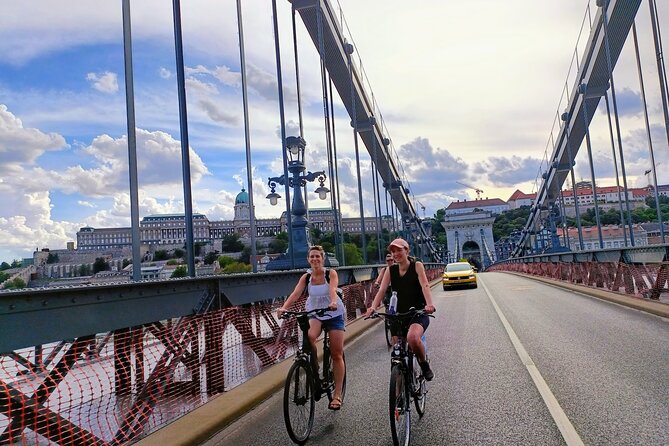
From the bath area you’ll move through City Park’s cultural side, including a stop at House of Music Hungary. It’s described as a striking venue that blends music history with interactive exhibitions.
The tour time at each place is brief, so you won’t read every detail here. But you’ll get enough of a sense to decide whether you want to return independently for deeper time.
House of Terror and St. Stephen’s Basilica: two emotional stops in one arc
After the park and entertainment venues, the tour turns serious with House of Terror Museum. The building used to be a Gestapo and Communist secret police headquarters, and you’ll see a piece of the Berlin Wall as part of the story. Admission is not included, and the stop is short—but the topic is heavy.
This is one of those “we’re in a real place with real weight” moments. If you’re sensitive to wartime and dictatorship themes, it’s still worth seeing, but you’ll want to mentally prepare.
Then you head to St. Stephen’s Basilica (Szent István-bazilika). The guide shares background on the origins and religions connected to Hungarian identity, and you’ll also learn about the holy right hand associated with the basilica. Again, it’s not a long church tour, but it’s enough to point you in the right direction if you want to go back for more.
Chain Bridge and Parliament: the Danube’s grand geometry
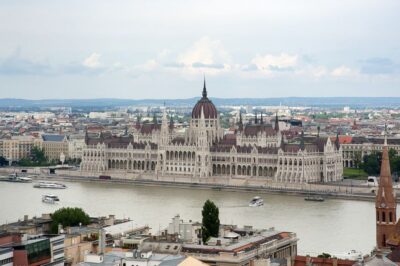
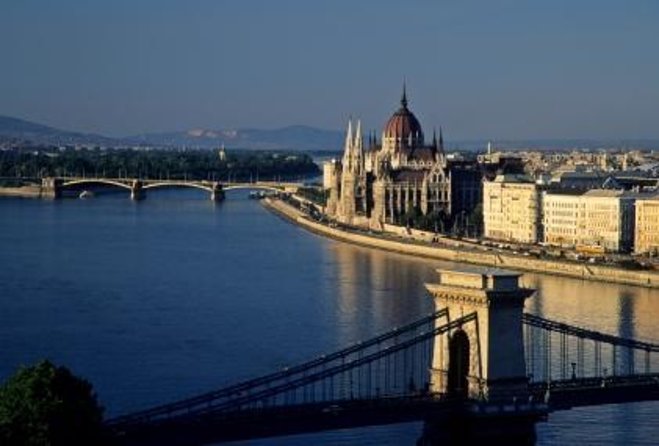
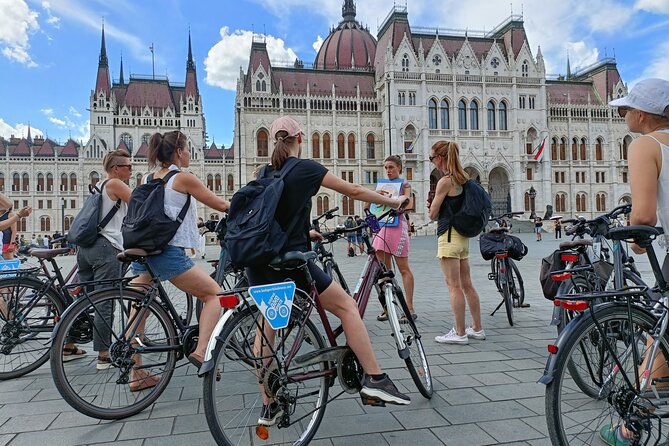
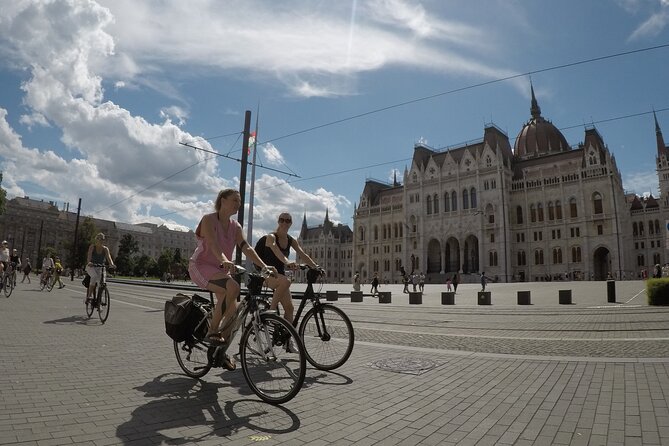
Crossing into the big river-view portion of the tour is where Budapest goes from “pretty” to “wow.” You’ll go across the Chain Bridge, then you’ll pass the Hungarian Parliament Building, including context about why it’s such a large parliament building and that it’s home to Hungary’s National Assembly and the Holy Crown of Hungary.
You don’t need architectural training to appreciate this stop. The building’s size and setting do the work. What the guide adds is the political and historical meaning—so your photos end up paired with understanding, not just angles.
Buda Castle District and Castle Garden: viewpoints that help you plan the rest
Toward the end, you ride into Buda Castle District, another UNESCO World Heritage area, and you get guided discussion about why the neighborhood matters historically and politically. You’ll also get panorama views over the Danube and Buda, plus specific recommendations about what to walk around once you’re on your own.
One of the best “value” aspects of this section is that it turns the viewpoints into a planning tool. If you later spend a day wandering the castle area, you’ll know where to head first because you saw the shapes and sightlines already.
The tour also includes a stop in Castle Garden, described as a restored neo-Renaissance park with terraces, fountains, and calm walkways. It’s a nice way to slow down for a few minutes before finishing the loop back at the start point.
The goulash break: warm fuel, not just a snack
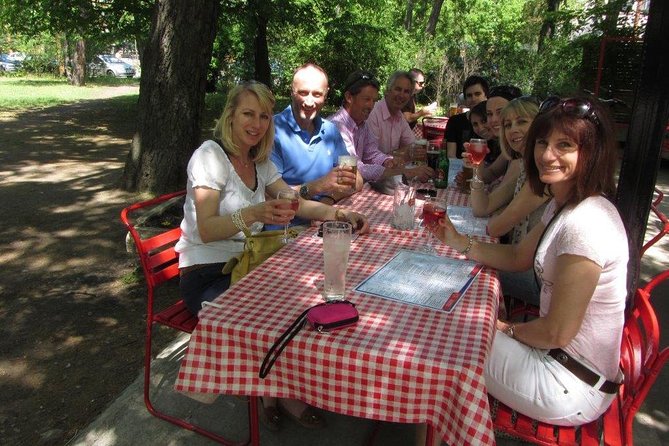
The meal stop happens around the middle-to-late portion of the tour at an open-air restaurant. You’ll get a hot bowl of Hungarian goulash, which is exactly what you want when you’ve been cycling and your body starts craving something hearty.
From what I can infer about the experience style here, the goulash isn’t presented as fancy fine dining. It’s more like practical comfort food that keeps you riding comfortably afterward. Vegetarian meals are available, so you don’t need to miss the core part of the theme.
And yes, it’s included in the price. That alone makes the tour feel like more than a “bike rental with a story.”
What to watch out for (so you have fun, not stress)
A few real-world considerations:
- Bike comfort matters. You need to ride confidently and keep pace.
- Timing can slide. Photo stops and slower riders can make it run a bit longer than the standard four hours.
- Some stops are short. If you want deep museum time, you’ll treat this as an overview and return later.
- The House of Terror topic is intense. It’s part of the route, so mentally prepare.
Who should book this Budapest Bike Tour?
Book it if:
- You want a fast orientation to major Budapest landmarks in one morning/early afternoon.
- You like bike travel and feel comfortable in city traffic, even with bike lanes.
- You want context from a local guide, not just photos.
Skip it (or consider an e-bike and extra caution) if:
- You hate cycling in any urban setting.
- You’re hoping for long museum stays.
- You’re traveling with a child under 10; it’s not recommended for that age group.
If you’re doing Budapest for the first time, this is also a great “choose your next steps” tour. You’ll see what grabs you, then plan the rest of your trip around those preferences.
Should you book? My practical verdict
I’d book this tour if your goal is to get your bearings and see the headline sights without wasting the whole day on transit. The included goulash, the small group size (max 12), and the way the route mixes architecture, viewpoints, and a serious historical stop make it feel like a smart, balanced morning.
If you’re a confident cyclist and you don’t mind short stops with frequent movement, you’ll likely feel like you got a lot for the money. If you need slow pacing or heavy indoor time, you might prefer spending that time on independent tickets and walking.
FAQ
How long is the Budapest Bike Tour with Hungarian Goulash?
The tour runs for about 4 hours, including preparation time. It typically ends around 14:00, though unexpected delays can make it a bit longer.
What does the $42.93 price include?
The price includes a local guide, use of a hybrid 21-speed bike, helmet use (not compulsory), Hungarian goulash, and water refreshments.
Is an e-bike available?
E-bikes can be booked as an extra option.
Do you offer vegetarian goulash?
Yes, a vegetarian meal is available.
Is the House of Terror Museum included in the price?
No. The House of Terror Museum admission is listed as not included, even though you do stop there during the tour.
What group size should I expect?
The tour has a maximum group size of 12 travelers.
Do I need a certain level of biking ability?
You should be able to ride a bike safely and confidently. You’ll also need to keep an easy, pleasant speed with the group.
Where is the meeting point and what time does it start?
The meeting point is Budapest, Rumbach Sebestyén u. 10, 1075 Hungary, and the tour starts at 10:00 am.
What’s the cancellation policy?
You can cancel for a full refund up to 24 hours before the experience start time. If you cancel less than 24 hours before, the amount paid won’t be refunded.