REVIEW · BUDAPEST
Budapest Art Nouveau Walking Tour
Book on Viator →Operated by Insight Cities · Bookable on Viator
Art Nouveau hides in plain sight. This Budapest walking tour is a smart, design-focused way to understand how the Art Nouveau movement shaped everyday buildings across the city, guided by a historian who can translate what you’re seeing into story and context. You’ll connect the dots between the flamboyant façades and the people behind them, including Hungary’s best-known Art Nouveau architect, Ödön Lechner.
I especially like how the route mixes major landmarks with the kind of smaller architectural flourishes you might otherwise miss, like tiled surfaces and decorative shopfront-style details that fit the movement’s playful mood. One thing to keep in mind: the synagogue stop on Kazinczy Street is only fully visitable on most days (except Saturdays), and you should expect any entrance cost there to be separate from what you pay for the tour.
In This Review
- Key Points That Make This Tour Worth Your Time
- Budapest Art Nouveau in Three Hours: What You’re Really Getting
- Price and Value: Why $126.16 Can Make Sense
- Start at Madal Café: Easy to Find, But Go Early
- Stop 1: Gresham Palace, From Apartments to a Hotel
- Stop 2: The Royal Postal Savings Bank and Lechner’s Flourish
- Stop 3: Thonet House, Tiles, and Hungarian Ceramic Pride
- Stop 4: Kazinczy Street Synagogue and the Art Nouveau Inside (When Open)
- What You Learn Along the Way (Without Feeling Like School)
- Walking Style, Timing, and How to Prepare
- Who This Tour Is For (And Who Might Want Something Else)
- Should You Book the Budapest Art Nouveau Walking Tour?
- FAQ
- How long is the Budapest Art Nouveau walking tour?
- Is the tour guided, and what language is it in?
- Is it a small group?
- What’s included in the price?
- Are entrance fees included for all stops?
- Does the tour use public transportation?
- Can I cancel for free?
Key Points That Make This Tour Worth Your Time
- Historian guide for context, not just photos
- Ödön Lechner (the Gaudí of Hungary) as the connecting thread
- Tiled façades and Zsolnay-style ceramic influence
- Free entry at the first three major stops
- A small group size that keeps the walk from feeling rushed
- Optional morning or afternoon departures to match your schedule
Budapest Art Nouveau in Three Hours: What You’re Really Getting
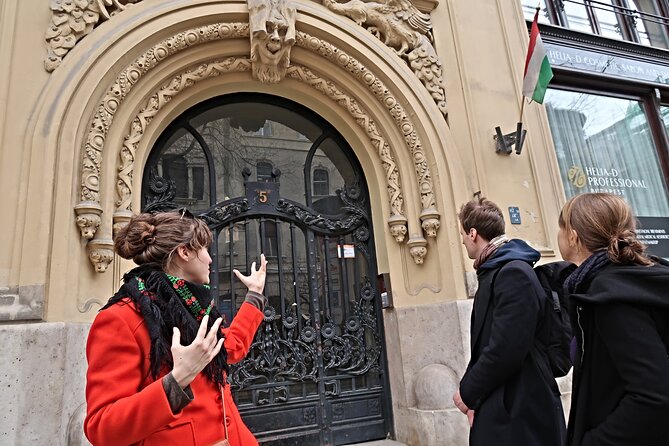
This tour is built for people who like their sightseeing with an explanation attached. You’ll spend about three hours moving at an easy, steady pace through four standout Art Nouveau stops, with a guide who can point out the design elements that make the style recognizable. Think: the why behind the curves, the ceramics, and the showy details.
You’re also not stuck with one “big building” view. The stops are chosen to show how the style plays different roles in the city—grand civic/power buildings, banking architecture, residential-luxury spaces, and religious architecture. That mix helps Art Nouveau feel like it belongs to Budapest, not like a museum theme.
And because it’s limited to a small group (up to six on the morning/afternoon departures, and capped at eight overall), you’ll get more than a single-file look. You can ask questions without shouting over a crowd.
You can also read our reviews of more walking tours in Budapest


Price and Value: Why $126.16 Can Make Sense
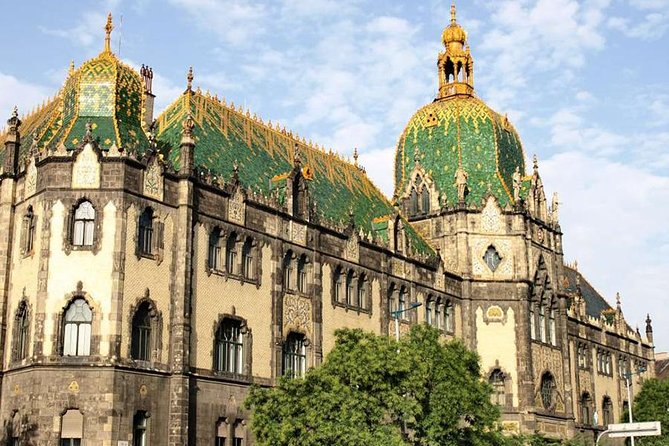
At $126.16 per person, this isn’t a “cheap walk.” What makes it feel reasonable is what you’re buying: a historian guide for a focused route plus coordination across multiple landmarks. The first three stops include free admission, so your money mostly goes toward interpretation and the walking experience, not ticket costs piling up early.
That said, the price can shift a bit depending on your day. You may need to budget for:
- Public transport passes if you use transit as part of the route (passes are at your expense)
- Any entrance cost for the Orthodox Synagogue interior if it’s open on your day (not included, and Saturdays are handled differently)
If you come to Budapest wanting to understand architecture—not just see it—this tour is the kind of value that pays off. If you only care about quick exterior photos, you might feel underwhelmed for the cost.
Start at Madal Café: Easy to Find, But Go Early
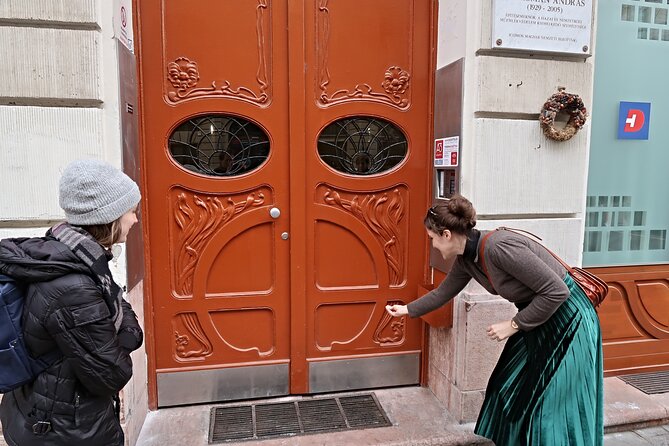
The tour starts at Madal Café in Budapest (Alkotmány u. 4, 1054). It’s near public transportation, which helps if you’re arriving from another neighborhood.
Still, here’s the practical wrinkle: the meeting area can be busy. Give yourself a little extra time so you don’t end up doing that awkward street-side “is this us?” dance. If you’re coming during a peak hour, aim to arrive a bit early and keep your phone ready for your mobile ticket.
Stop 1: Gresham Palace, From Apartments to a Hotel
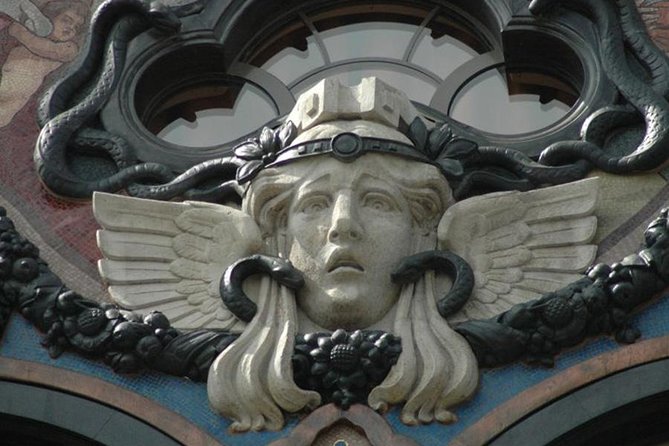
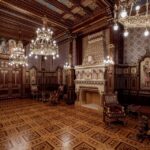
Your first major stop is Gresham Palace. From the outside, it’s already dramatic—an Art Nouveau show of confidence—but the real payoff is that you’ll also get a peek at the interior design elements. This palace has lived multiple lives: once office space and luxury apartments, and today it’s Budapest’s most luxurious hotel.
Why this stop works: it shows how Art Nouveau wasn’t only about decoration. It was a way to project status and personality, even in buildings tied to work and living. You’ll be able to notice how the building’s grandeur supports that message, and how the details create a mood as much as they decorate a wall.
Good to know: the admission ticket for this stop is free, so you can focus on the experience instead of hunting for extra costs.
Stop 2: The Royal Postal Savings Bank and Lechner’s Flourish
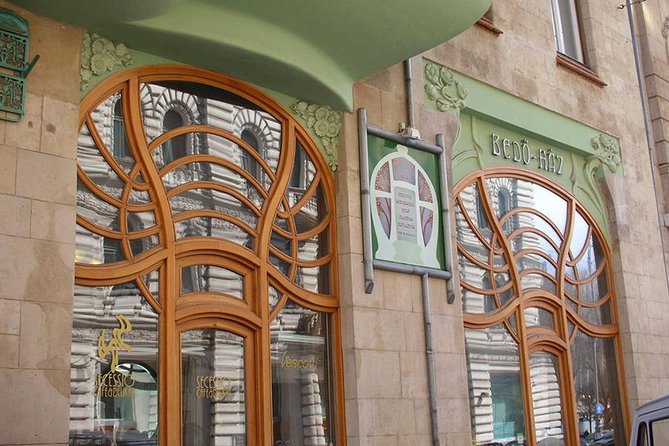
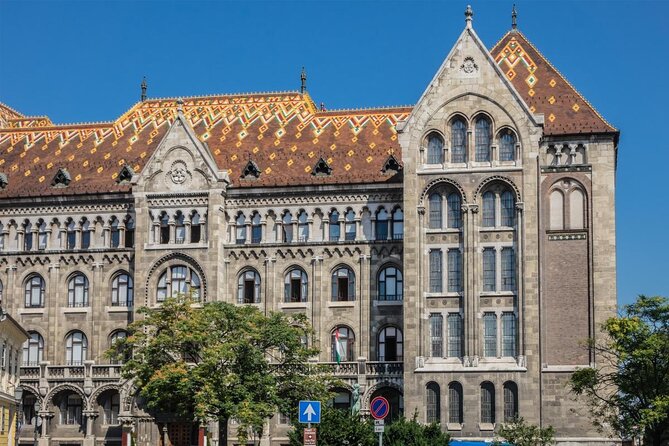
Next up is Postatakarek Bank—known for its flamboyant look and for being designed by Ödön Lechner. It’s also sometimes compared to the way Gaudí worked in Spain, which gives you a shortcut for understanding its personality: bold shapes, artistic ambition, and a kind of confident theatricality in the design.
This stop is especially strong if you like learning what architects were trying to do with space and entrance sequences. You’ll spend time on the interior design elements of the entrance hall, where Art Nouveau often shines the most. Entrances are where a style announces itself. Here, it’s not subtle.
Admission for this stop is also free. So again, you’re paying primarily for the guide’s explanations and the chance to see meaningful interior details without the hassle of figuring out everything on your own.






Stop 3: Thonet House, Tiles, and Hungarian Ceramic Pride
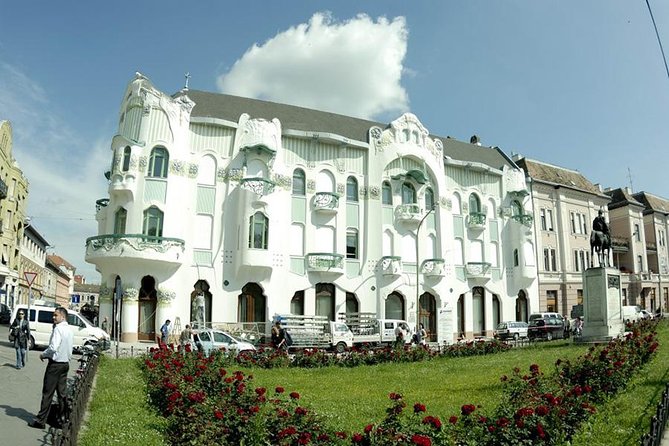
At Thonet House, the tour shifts from overall drama to material and technique—particularly the way Hungarian Art Nouveau became famous for its tiles. This is where you’ll start seeing patterns repeat across the city, and it clicks why Budapest’s Art Nouveau feels so tactile.
You’ll also connect the style to Hungarian ceramics innovation—thanks to the Zsolnay porcelain and ceramics factory in Pécs, a town in southern Hungary. That matters because it tells you Art Nouveau in Budapest wasn’t only an architectural trend; it was supported by local craft and industry. The ceramics help explain the color, durability, and distinctive surfaces you’ll notice while walking elsewhere in town too.
Admission here is free as well, which keeps this stretch smooth. The only downside is that once you start noticing tiles, you may start wanting to photograph everything—so bring a charged phone and be mindful of where flash is appropriate.
Stop 4: Kazinczy Street Synagogue and the Art Nouveau Inside (When Open)
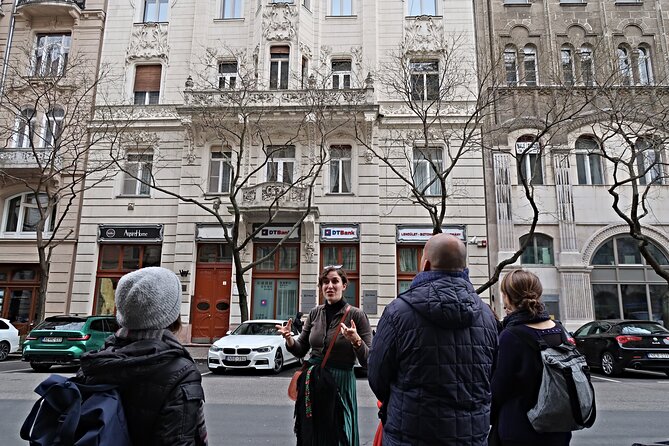
The tour ends at the Orthodox Kazinczy Street Synagogue, decorated in Art Nouveau style. This is a fascinating contrast point: it’s not a palace or a bank, but a religious space that still expresses the movement’s design language.
One key detail: except on Saturdays, you’ll enjoy a visit to the synagogue interior. On Saturdays, that changes, so you may only see what’s possible at that time rather than a full interior experience. Also, synagogue entry is not included, and there may be an extra cost if the site is open on the day of your tour.
Why I think this is a great closing stop: it leaves you with a broader understanding of Art Nouveau’s reach. You’re not just learning about aesthetics—you’re seeing how design language can show up in unexpected settings, including places with strong traditions and architecture that’s meant to be experienced with care.
What You Learn Along the Way (Without Feeling Like School)
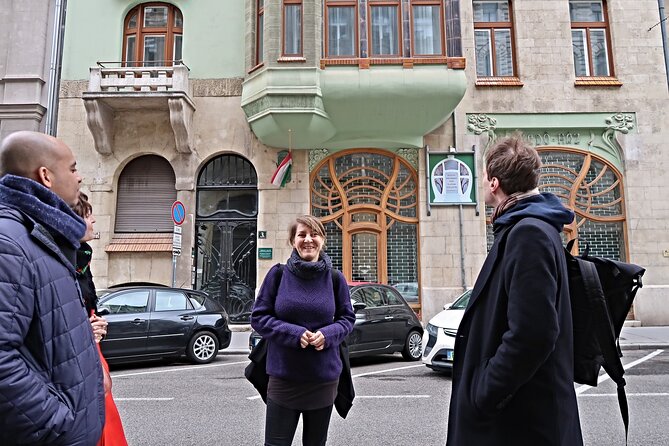
This is the kind of tour where the details matter. The historian guide focuses on elements and designs—why certain shapes and materials show up repeatedly, and how the architectural movement shaped buildings across Budapest. That’s what turns a sequence of stops into a single story.
The most praised aspect of this experience is also the most practical: the guidance. You get a guide who knows the history and architecture well, and you can usually ask follow-up questions about what you’re seeing. There’s also a sense that the guide is flexible about where your interest lies, which is a big deal on a short walking tour. In three hours, customization can make or break your enjoyment.
Walking Style, Timing, and How to Prepare
You should expect a moderate amount of walking. Comfortable shoes are the right call. Not because it’s an endurance test, but because three hours of city walking is easier when your feet aren’t negotiating with you.
You’ll also get a choice of morning or afternoon departure on a small-group format. That’s helpful because Art Nouveau façades look great in daylight, and your best timing can depend on your hotel location and the rest of your day.
As for transit: some public transport may be used during the route, but passes are at your expense. If you want to minimize extra spending, plan to pay attention to whether you’re staying entirely walkable between stops on your specific departure. If you’re already using transit in Budapest, the extra pass cost may feel manageable.
Who This Tour Is For (And Who Might Want Something Else)
This tour is best for you if:
- You like architecture and want a guide to interpret it
- You want to understand Budapest’s Art Nouveau through a named architect like Ödön Lechner
- You enjoy decorative design details, especially ceramics and tiles
- You prefer small-group tours where you can ask questions
It might be less ideal if you’re only looking for quick exteriors, or if you’re traveling with limited patience for entrances that have separate ticketing rules. The synagogue stop especially can be a wildcard depending on the day.
Should You Book the Budapest Art Nouveau Walking Tour?
Yes—if you’re the type of traveler who wants to understand what you’re seeing, not just check boxes. This tour’s value is strongest when you care about Art Nouveau elements and how they connect to real Budapest buildings, especially through a guide who can explain the style’s history and design language.
Book it if:
- You’re willing to spend three hours walking
- You can handle a small amount of possible extra cost for synagogue entry
- You want the Lechner-focused story and the tile/ceramics angle
Skip it if:
- You mostly want photos and don’t care about architecture explanations
- You need a guaranteed interior synagogue visit on a Saturday
If your goal is to leave Budapest with a clear sense of how Art Nouveau actually shaped the city, this is a focused, enjoyable way to do it.
FAQ
How long is the Budapest Art Nouveau walking tour?
It lasts about 3 hours.
Is the tour guided, and what language is it in?
Yes. It’s led by a historian guide and offered in English.
Is it a small group?
Yes. It’s capped at a maximum of 8 travelers, with the morning or afternoon options limited to a small group of up to six.
What’s included in the price?
The historian guide is included. A mobile ticket is provided.
Are entrance fees included for all stops?
No. Admission is free for the first three stops, but the Kazinczy Street Orthodox Synagogue interior visit is not included.
Does the tour use public transportation?
Some public transport may be used, and transportation passes are at your own expense.
Can I cancel for free?
Yes. You can cancel for a full refund up to 24 hours in advance.