REVIEW · BUDAPEST
Budapest’s Greatest Hits – Full Day Tour with Lunch & Metro Pass
Book on Viator →Operated by Budapest Urban Walks · Bookable on Viator
One trip and you’ll see Budapest’s greatest hits. This full-day tour strings together major landmarks and a traditional Hungarian lunch with hotel pickup and metro tickets, so you spend less time figuring things out and more time looking up.
I love that the day can be tailored to your interests with a private guide, and that it includes both a cooked-in food stop (lunch and dessert) and transit support (metro pass). The only real drawback to plan for is time: with so many stops packed in, you’ll want to move at a steady pace and accept that some sights will be quick photo moments, not long hangs.
Here’s the good part: the route is designed around what makes Budapest feel like Budapest. You start at grand national monuments, cool off at Europe’s biggest medicinal bath complex, and end with classic Castle District views over the Danube. You might also feel a little “on your feet” most of the day, especially if you’re not used to walking between neighborhoods.
In This Review
- Key highlights that make this tour worth your time
- How the Budapest Greatest Hits day actually works (7.5 hours, private, and metro-ready)
- Heroes’ Square into the Széchenyi Baths: start big, then soak in thermal Budapest
- Vajdahunyad Castle and City Park vibes: quick beauty, big story cues
- Andrássy Avenue and the Hungarian State Opera: the elegant spine of Budapest
- St. Stephen’s Basilica, Liberty Square, and Parliament area: where tickets can matter
- Széchenyi Chain Bridge and the Great Synagogue: Danube views with cultural stops
- Matthias Church and Fisherman’s Bastion: your Castle District finale
- Central Market Hall: a smart last stop before you head back
- Why the private guide can change everything (from László Kaiser to Kinga)
- What I’d plan for: pacing, weather, and bath-day reality
- Should you book Budapest’s Greatest Hits with lunch and metro pass?
- FAQ
- How long is the tour?
- Is lunch included?
- Do I get public transportation tickets or a metro pass?
- Will I have hotel pickup and drop-off?
- Is the tour private?
- Is admission included for every stop?
- Does the tour operate in bad weather?
- What language is the tour in?
- Are children allowed?
Key highlights that make this tour worth your time
- Private guide + flexible pacing: you can steer the day toward the sights and stories you care about.
- Lunch and dessert included: you’re not stuck hunting for food between attractions.
- Metro pass built in: transit is part of the plan, not an extra headache.
- Széchenyi Baths stop at the start: it’s a fast hit of Budapest’s thermal culture, with water running around 74–77°C.
- Opera House exterior and grand avenues: the walking route covers the city’s most elegant streets.
- Castle District photo finale: Matthias Church and Fisherman’s Bastion are timed for maximum wow.
How the Budapest Greatest Hits day actually works (7.5 hours, private, and metro-ready)
This is a private tour for your group, not a big cattle-line bus experience. Your guide meets you at your requested location and builds the day around your interests while still covering the big landmarks most people come for. With a 7 hours 30 minutes run time and a route that moves across both Buda and Pest, it’s ideal if your days are limited and you want the “greatest hits” without missing key stops.
Value-wise, the price of $228.27 per person feels more reasonable when you add up what’s included: hotel pickup and drop-off, lunch and dessert at a traditional Hungarian restaurant, and public transportation tickets (including a metro pass). If you’ve ever spent a morning buying tickets, paying for entry fees you didn’t plan on, and then still scrambling to find the next stop, you’ll feel the benefit here immediately.
One practical note: the tour includes some stops where admission is listed as free and others marked as not included. So you’ll likely pay a few entries on the day (like St. Stephen’s Basilica area and the Parliament area). That’s normal for a highlights route, but it’s worth knowing so you don’t get surprised mid-walk.
You can also read our reviews of more tours and experiences in Budapest


Heroes’ Square into the Széchenyi Baths: start big, then soak in thermal Budapest
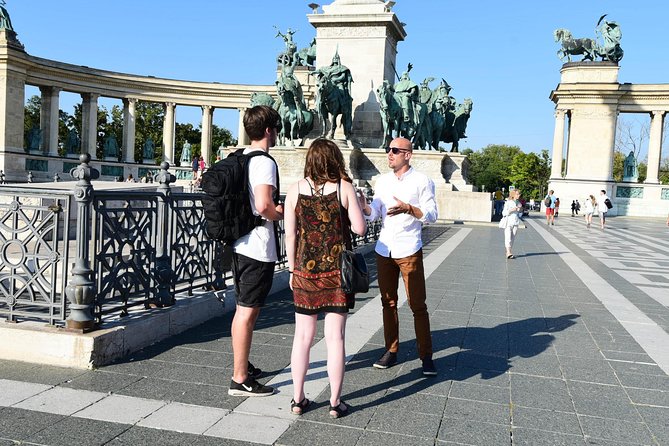
You kick off at Heroes’ Square (Hősök tere), where the statue complex and memorial stone make for instant context about Hungarian identity. This is a strong opener because it gives you a “why” before you get buried in “what.” You’ll also appreciate the simple logistics: it’s a quick stop with admission noted as free, so you’re not burning time on paperwork.
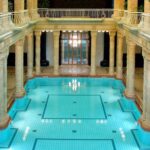
Next is Széchenyi Medicinal Bath, with a short stop designed to show you what makes it famous. Széchenyi is described as the largest medicinal bath in Europe, fed by two thermal springs with temperatures around 74°C and 77°C. Even if you don’t go deep into bathing, seeing it in person helps you understand why locals talk about it like a ritual, not a gimmick. It’s also a good mid-tour reset: the day is about to move across elegant boulevards and major monuments, and the bath stop is a natural switch in mood.
A small reality check: this stop is only 15 minutes. That’s enough for a quick look and orientation, but not enough for a long soak. If you want more than a glance, you’ll need to treat this as a “bath culture introduction” rather than a spa session.
Vajdahunyad Castle and City Park vibes: quick beauty, big story cues
After the thermal stop, you move to Vajdahunyad Castle (Vajdahunyad vára) in City Park. The highlight here isn’t just the pretty “fairytale” look—it’s the setting. It was built in 1896 as part of the Millennial Exhibition celebrating 1,000 years of Hungary since the Hungarian conquest in 895. That date matters because it explains why the castle feels like a montage: it’s a birthday party for national memory.
The stop is 20 minutes, with admission listed as free. In other words, it’s perfect for photos, a quick walk around, and a guided explanation that ties the structure to the bigger national timeline. This is also one of those stops where you’ll probably get more out of your guide’s commentary than from spending extra time on your own.
Andrássy Avenue and the Hungarian State Opera: the elegant spine of Budapest
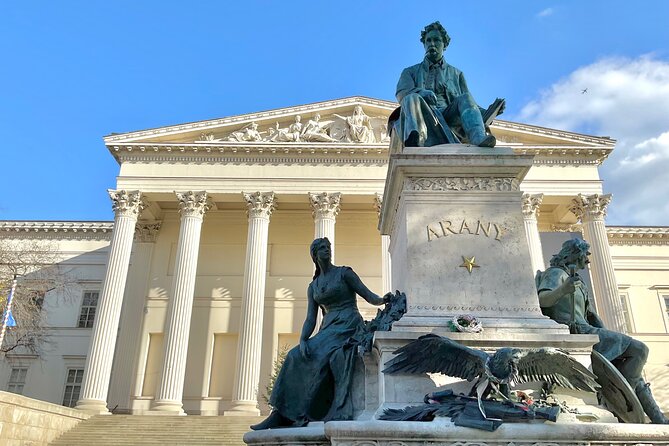
Next comes a walk along Andrássy Avenue (Andrássy út), linking Erzsébet Square to Városliget. The reason this matters isn’t only aesthetics. The avenue dates to 1872 and is recognized as a World Heritage Site in 2002. That gives you a handy framework for what you’re seeing: grand architecture, planned streets, and a sense of Budapest’s “serious city” side.
From there you’ll reach the Hungarian State Opera House (Magyar Állami Operaház), a neo-Renaissance opera house on Andrássy út. Designed by Miklós Ybl, it originally goes by the name Hungarian Royal Opera House. The stop here is short (10 minutes), but the guided walk-by time is still useful because you can point out key architectural elements while they’re fresh in your mind.
If you’re an opera fan, you’ll likely love the fact that your route includes the building’s famous exterior features and the chance to get close enough to register scale. If you’re not, it’s still a visually satisfying break between the grand monuments and the Castle District payoff later.
St. Stephen’s Basilica, Liberty Square, and Parliament area: where tickets can matter
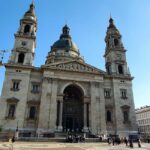
You then roll into central sights around St. Stephen’s Basilica (Szent István-bazilika). The tour lists admission as not included here, but the stop time is 10 minutes. Even with a quick visit, this is a major moment: the basilica is named for Stephen, the first King of Hungary, and his right hand is housed in the reliquary. A guide can help you spot the religious symbolism quickly, even if you don’t linger.
Then there’s Liberty Square (Szabadság tér), described as a mix of business and residential, with notable landmarks like the United States Embassy and the headquarters of the Hungarian National Bank. It’s free and listed at 20 minutes, which gives you breathing room to regroup before you head into the more intense “sight cluster” zone.
After that, you arrive at the Hungarian Parliament Building (Országház). Admission is listed as not included, and the stop is 10 minutes. The payoff here is mostly outside viewing and contextual explanation, because you’re not paying admission as part of the tour price. Parliament is one of those places where even the exterior tells you a lot about national identity and power—especially when you’re walking past with a guide pointing out what to notice.
You can also read our reviews of more tours and experiences in Budapest



Széchenyi Chain Bridge and the Great Synagogue: Danube views with cultural stops
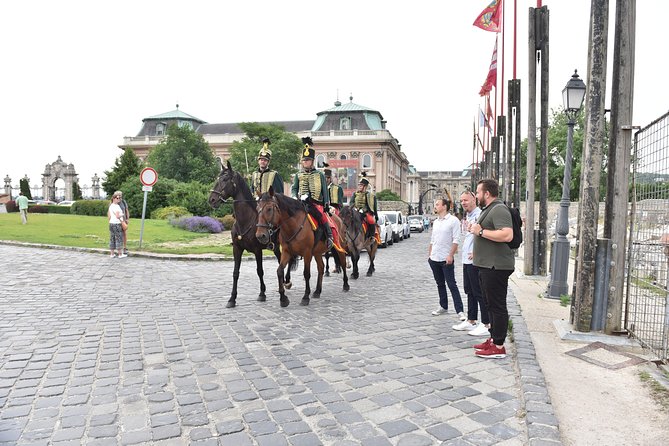
Now you get the famous Budapest “hinge” moment: the Széchenyi Chain Bridge (Széchenyi lánchíd). You’ll have 10 minutes to take in the span over the Danube between Buda and Pest. This is a classic photo stop, but it’s also useful because it anchors the geography of the city: where you’ve been and where you’re heading next.
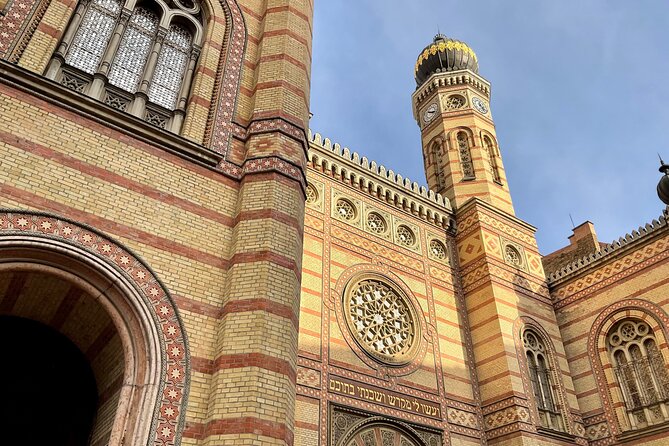
Then the route includes the Great / Central Synagogue (Nagy Zsinagóga), also known as Dohány Street Synagogue (Dohány utcai zsinagóga). Admission here is listed as not included and the stop time is 10 minutes. Even a quick visit is worth it because this is one of the city’s most significant architectural markers for the Jewish community in Budapest, and it often surprises people how central it feels once you’re standing there.
If you want to go inside, this is the kind of stop where you’ll appreciate knowing entry isn’t bundled. Plan for that cost ahead of time and keep your expectations realistic for the short viewing window.
Matthias Church and Fisherman’s Bastion: your Castle District finale
You finish the religious and scenic highlights with Matthias Church (Mátyás-templom) and Fisherman’s Bastion (Halászbástya). Matthias Church is listed as not included, and Fisherman’s Bastion is free. Both are 10 minutes stops, which means you’ll want to arrive ready to look up and take photos fast.
Matthias Church sits in Holy Trinity Square in the Castle District, in front of the Fisherman’s Bastion area. The tour notes it as the Church of the Assumption of the Buda Castle and mentions it’s more commonly known as Matthias Church. For many people, this is where Budapest shifts from grand civic buildings to intimate religious beauty.
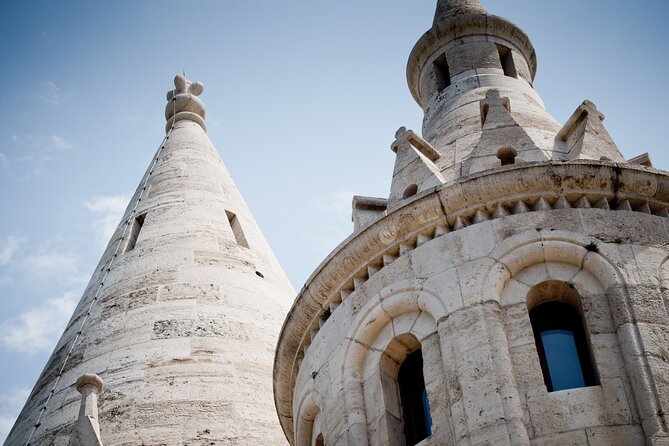
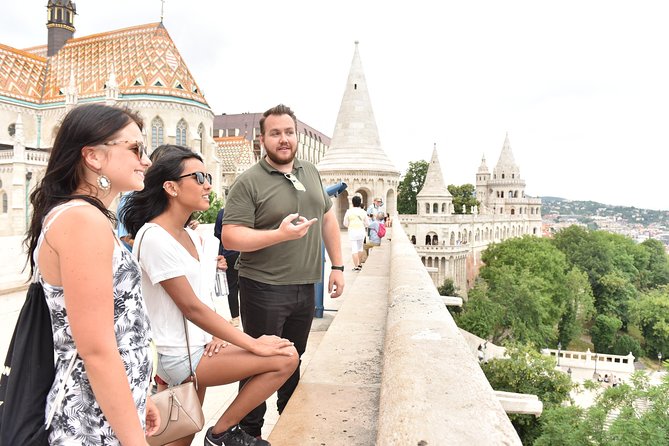
Then comes Fisherman’s Bastion, one of the city’s best-known viewpoints. The key idea is simple: you’re paying attention to the panorama from the Neo-Romanesque lookout terraces in the Castle District. It’s a free stop in this tour, so you’re getting a big visual payoff without extra entry fees on your ticket.
Central Market Hall: a smart last stop before you head back
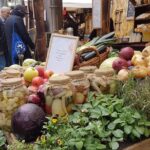
Your final major stop is Central Market Hall (Nagyvásárcsarnok), described as the largest and oldest indoor market in Budapest. This is a good way to close the day because it shifts you from monuments to everyday city life. The hall’s story is also helpful: the idea came from Károly Kamermayer, the first mayor of Budapest, and the opening is tied to a specific date in 1897.
Admission is listed as free, and the stop time is 20 minutes. Use this stretch to reset your senses after castles and churches. If you’re the kind of person who likes to bring home tastes and tiny gifts, this is the kind of place where you can do that without committing to a long shopping detour.
Why the private guide can change everything (from László Kaiser to Kinga)
The itinerary covers the big sights, but the guide is the real engine. This tour is designed so you don’t just walk past buildings—you get the quick context that makes them legible. The reviews you provided strongly reinforce that. Guides named in the feedback include László Kaiser, Zoltán, Francy, Rebekah, Fanni, Leslie, Odea, and Kinga, and the consistent theme is how well they adjust the day.
That matters because Budapest has overlapping eras and layers. A private guide helps you connect what you’re seeing at Heroes’ Square to what’s happening later at Parliament, then connects the bath culture to the wider idea of what Budapest values. One of the most practical examples from the feedback: guides were praised for doing more than just facts—keeping guests informed, moving smoothly, and even adding room to explore nearby areas when time allows.
If you’re someone who wants your day tailored, this format is ideal. If you want a super long, slow museum experience at a single building, you might find this tour’s pace a bit brisk. But for a fast, high-impact “see the city” day, the guide factor is what turns it from standard sightseeing into a day with meaning.
What I’d plan for: pacing, weather, and bath-day reality
This tour operates in all weather conditions, so dress for rain or cold if you’re visiting in winter. Your guide will keep moving, and the day includes both outdoor squares and indoor stops (like Széchenyi and the Market Hall). A little planning on your end helps a lot: wear shoes you can walk in for hours and keep a light layer handy.
On the bath stop: Széchenyi’s water is listed at 74–77°C, which is hot. Even if you’re only doing a short introduction, you’ll likely want the right mindset: this isn’t about lounging for a long time; it’s about experiencing the thermal-bath setting quickly.
Also watch the admission mix. Some stops are free (like Heroes’ Square, Széchenyi, Vajdahunyad Castle, and Fisherman’s Bastion), while others are marked as not included (like St. Stephen’s Basilica, the Parliament Building area, the Great Synagogue, and Matthias Church). Bring a bit of flexibility in your budget and you’ll enjoy the day more.
Finally, you’ve got a metro pass in the package. That’s a big deal on a route that crosses neighborhoods. It means you’re not stuck trying to figure out what bus or tram goes where while you’re already thinking about photos.
Should you book Budapest’s Greatest Hits with lunch and metro pass?
I’d book this tour if you want one well-paced day that hits Budapest’s icons without turning your vacation into a logistics test. The big wins for me are the private guide element, the included lunch and dessert, and the fact that transport is built in. If your schedule is tight, this is one of the best ways to feel like you “covered” the city.
Skip it or choose another option if you want deep time inside every major building. Because several key sights have admission marked as not included and the stops are mostly 10–20 minutes, you’ll be spending more time looking and learning than lingering.
If you’re deciding right now, my practical advice is simple: budget a little extra for any entries marked not included, wear good shoes, and tell your guide what you care about most. Do that, and you’ll come away with a Budapest day that feels organized, friendly, and genuinely useful.
FAQ
How long is the tour?
It runs about 7 hours 30 minutes.
Is lunch included?
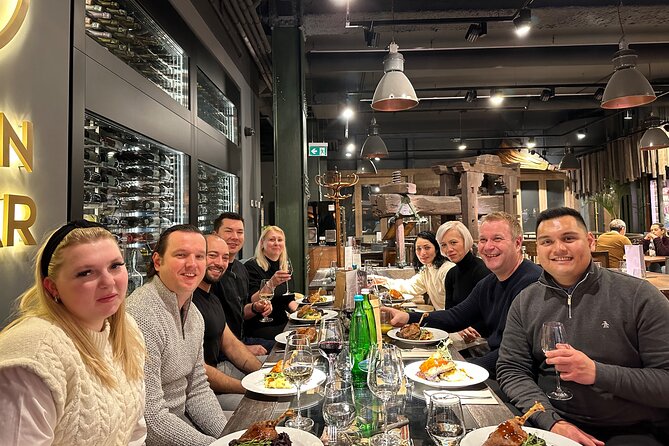
Yes. Lunch and dessert at a traditional Hungarian restaurant are included.
Do I get public transportation tickets or a metro pass?
Yes. Public transportation tickets are included as part of the tour.
Will I have hotel pickup and drop-off?
Yes. Pickup is offered, and the tour includes pickup and drop-off.
Is the tour private?
Yes. It’s a private tour/activity, and only your group participates.
Is admission included for every stop?
No. Some stops are listed as free, while others are listed as not included (including St. Stephen’s Basilica, the Parliament Building area, the Great Synagogue, and Matthias Church).
Does the tour operate in bad weather?
Yes. It operates in all weather conditions, so dress appropriately.
What language is the tour in?
The tour is offered in English.
Are children allowed?
Yes, but children must be accompanied by an adult.