REVIEW · BUDAPEST
Budapest: private deluxe tour with a native, in Spanish
Book on GetYourGuide →Operated by Scala · Bookable on GetYourGuide
Budapest feels big, until it fits your day. This private deluxe Spanish tour keeps everything tight and high-touch, with a native Hungarian guide who brings a Latin America perspective to the story. I love the comfort of getting chauffeured in an A/C car, and I also like that you do more than the headline stops.
You’ll spend your time where the city actually makes sense: Buda’s viewpoints plus Pest’s grand avenues and cultural landmarks. The guide’s Spanish is fluent and natural, and there’s a bonus layer of Hispanic cultural and food references that makes Central Europe feel less like a textbook.
One thing to consider: the plan is built for seeing a lot in 4 hours, so several highlights are from the outside, and Mathias Church entry isn’t included.
In This Review
- Key points to know before you go
- Spanish, Latin Perspective, and a Private Car That Saves Your Day
- How 4 Hours Works: Comfort, Focus, and What You Actually See
- Buda Castle and Fisherman’s Bastion: The View-to-Story Connection
- Pest Drives and Andrássy Avenue: UNESCO Grandeur Without the Ticket Lines
- Heroes’ Square and Vajdahunyad Castle: Symbolism in a Tight Stop
- City Park, House of Music, and Thermal Bath Pass-By Logic
- Jewish Quarter, Synagogue, and Central Market from the Outside
- Price and Value: What $447 Buys for a Small Private Group
- Who This Tour Fits Best (and Who Might Want Something Different)
- Practical Tips So You Get the Most From the 4 Hours
- Should You Book This Private Spanish Budapest Tour?
- FAQ
- FAQ
- Is the tour private or shared?
- Does the price include hotel pickup and drop-off?
- Which languages can the guide speak?
- Is entry to Mathias Church included?
- What’s included with the car?
- What should I know about items you cannot bring?
Key points to know before you go
- Native Hungarian guide in Spanish with Latin America life experience for extra context
- Deluxe A/C car + hotel pickup so you don’t burn time in transit
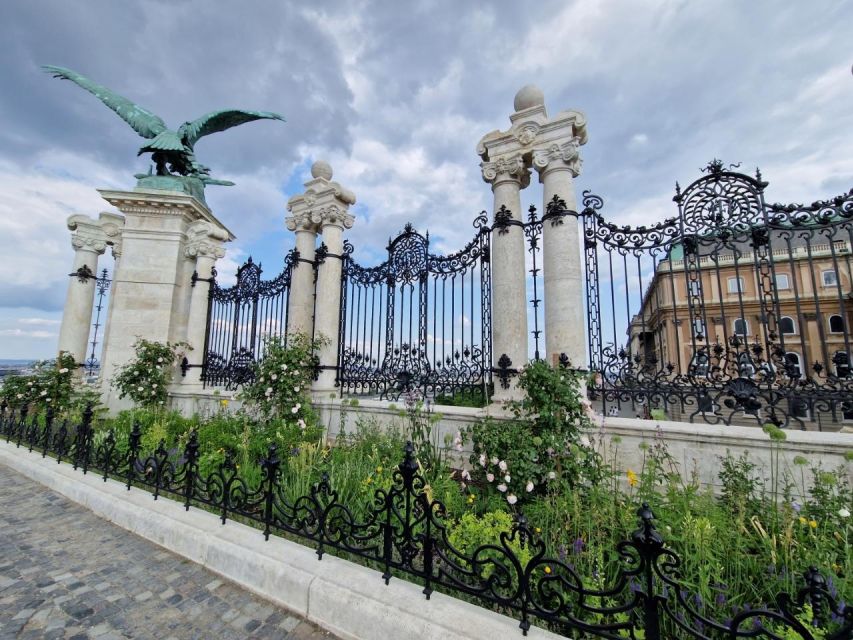
- Buda Castle area focus with Matthias Church viewpoint and Fisherman’s Bastion
- Andrássy Avenue UNESCO drive plus Heroes’ Square and City Park walking
- Jewish Quarter + Synagogue stop, with the area brought into the larger Budapest story
- Many sites are outside-only by design, so you trade entry time for more sights
Spanish, Latin Perspective, and a Private Car That Saves Your Day
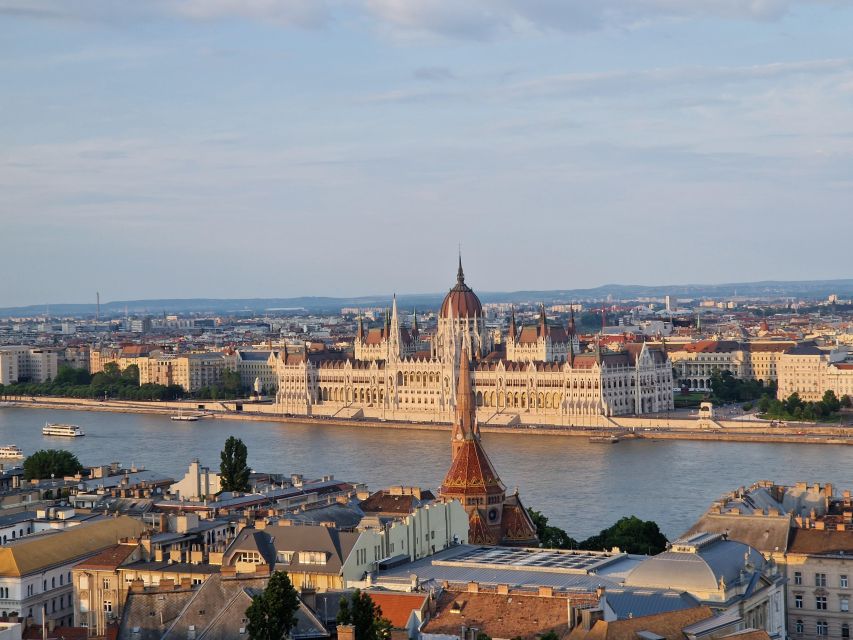
Budapest can be a two-city puzzle: Buda rises above the Danube, while Pest lays out the big boulevards and institutions. This tour solves that fast by chaining the right stops in the right order, so you get flow instead of hopping around.
The real difference for Latin travelers is the guide’s angle. The Hungarian guide is native, speaks perfect Spanish, and has lived in Latin America long enough to connect history and everyday culture across continents. It shows in the way you’ll hear explanations that go beyond facts—more human, more comparative, and often tied to gastro and cultural references that make the place feel familiar in tone, even if the details are totally Central European.
And yes, the private setup matters. A group tour can turn into a stop-and-sprint exercise. Here, the pace is controlled, and you can ask follow-ups when something clicks—like why certain buildings look the way they do, or what a neighborhood’s past says about its present.
You can also read our reviews of more private tours in Budapest



How 4 Hours Works: Comfort, Focus, and What You Actually See
Let’s be blunt: 4 hours is short. The trick is choosing a route that hits the most meaningful areas without wasting time.
This experience uses a deluxe car with A/C for the “getting there” part, then switches to walking where it’s worth it—especially around viewpoints and the key central areas. That means you’re not stuck waiting for buses, dodging traffic, or guessing where to stand for the best angles.
Timing also affects what’s included. Many big-ticket landmarks are covered from the outside—Opera House, Andrássy Avenue sites, House of Music, Museum of Ethnography, and more. That approach is intentional. Exterior viewing still gives you the architecture, street setting, and scale, but it keeps the schedule from collapsing if you want to move quickly between districts.
If you’re the type who wants to sit inside museums for long stretches, you might feel a little “on the move.” But if your goal is to get your bearings fast and learn what matters, this is designed for that exact job.
Buda Castle and Fisherman’s Bastion: The View-to-Story Connection

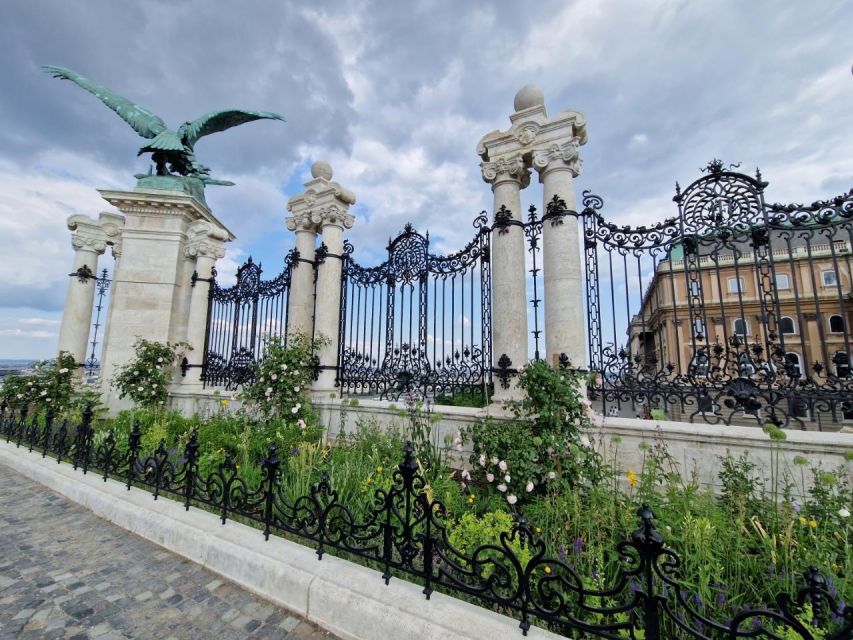
You start in Buda Castle area, where the city’s identity becomes obvious. The Danube is the spine, and from these heights you understand why Budapest developed where it did.
Matthias Church and the surrounding area are powerful because of their position and presence. In this tour, you see Matthias Church from outside, which is still useful: you get the building’s character and the way it anchors the castle hill visually. The focus here is less on interior time and more on interpretation—how the architecture fits into the bigger Hungarian story.
Then comes Fisherman’s Bastion, which is mostly famous for its views—and it earns that reputation. From here, you can see the Danube and key central sights spread out in a single sweep. It’s one of the fastest ways to understand Budapest’s layout: where the river cuts through the city, how Pest’s landmarks line up, and why people always end up photographing this spot.
The best part is how the guide ties viewpoint to narrative. You’re not just staring at a postcard—you’re learning what you’re looking at and why it matters historically and culturally. That’s exactly where the “Latin perspective” advantage can show up too, since the explanations often translate big ideas into easier, more relatable language.
Pest Drives and Andrássy Avenue: UNESCO Grandeur Without the Ticket Lines
On the Pest side, you get the classic boulevard experience—but with context. You’ll drive along Andrássy Avenue, a UNESCO heritage corridor, and you’ll also pass by major cultural landmarks tied to the city’s prestige and public life.
You’ll go by the Opera House from outside, which is a quick way to understand Budapest’s formal identity. Even without entering, you can clock the scale and style, and the guide can place it in the cultural story of the city—who built this kind of public spectacle, and what it said about ambition and power.
The route also includes meaningful “in-between” stops that many visitors skip. You pass by spots like the House of Music and the Museum of Ethnography from outside. You’re not meant to linger in line; you’re meant to recognize what’s around you and understand that Budapest doesn’t only live on river views and castle hills.
Andrésy Avenue is also a lesson in how cities use streets. The grand avenue isn’t just pretty—it’s a statement of order, movement, and cultural identity. Seeing it from the car keeps you safe from cross-town logistics while still letting you absorb the sweep.
Heroes’ Square and Vajdahunyad Castle: Symbolism in a Tight Stop
Heroes’ Square is the kind of place you either rush through or actually learn from. This tour helps you do the second by framing it as more than a photo backdrop.
At Heroes’ Square, you’ll hit the key visual focus that represents legendary Hungarians and the national story. The guide’s Spanish delivery helps you understand the symbolism without requiring you to research beforehand. Even if you only spend a short moment here, you’ll leave knowing what the monument language is trying to communicate.
Then you move toward Vajdahunyad Castle, which is often associated with lighter walking moments and scenic architecture. Again, you’ll see it as a notable part of the wider city landscape rather than as a long interior visit. That works well in a 4-hour format, especially if you want photos and orientation more than slow museum time.
If you like buildings that look like they’re telling a story even when you can’t read a single plaque, you’ll appreciate this pairing. Square plus castle gives you both “who we remember” and “how we built,” in one stretch.






City Park, House of Music, and Thermal Bath Pass-By Logic
This is where Budapest gets more than ceremonial. You’ll walk around City Park, a space that turns sightseeing into a bit of strolling, and you’ll also pass by several major cultural and leisure landmarks.
House of Music appears from outside. You’ll also see the Museum of Ethnography from outside, and you pass by the Széchenyi Thermal Bath area. For thermal bath lovers, this is more of a “spot and learn” stop than a soaking break. You’re using the timing to get the feel of the location and the surrounding park energy, not to schedule a bath session.
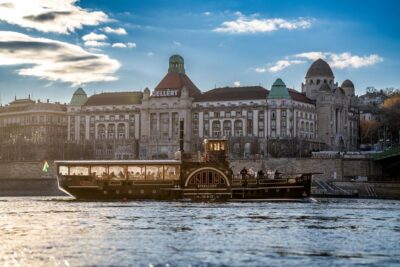
You’ll also pass by Gundel Restaurant. That’s a smart inclusion because it signals Budapest’s culinary prestige in a single glance, and it creates a natural bridge to the kind of food talk a Latin-experience guide can bring. Since the tour is specialized for Latin tourism, the gastro angle can feel less like generic restaurant hype and more like cultural explanation.
City Park walking helps you catch the city’s different rhythm. It’s not just monuments on a route—it’s space where the city breathes. You’re mixing viewpoints with a calmer pace, which is exactly what keeps the 4-hour plan from feeling like an airport layover.
Jewish Quarter, Synagogue, and Central Market from the Outside
Budapest’s story is layered, and the Jewish Quarter is one of the clearest ways to see that. On this tour, you won’t skip it—you’ll go to the Jewish quarter and include the synagogue in your route.
Seeing the synagogue in the context of a short tour is valuable because the guide can connect it to the wider Central European cultural history. Even if you don’t have time for a long visit, the area itself gives you an emotional and historical anchor. It helps you understand Budapest as a city shaped by many communities, not only a single narrative.
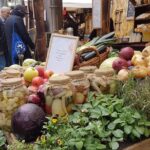
You’ll also pass by the Central Market from outside. Markets are a fast way to sense local life, and this one is famous enough that seeing it externally still gives you a reference point for later. If you plan to return on your own, you’ll know exactly where to go and what role the market plays in the neighborhood’s daily rhythm.
This part of the tour works best if you go in ready to look closely. Details matter: street layout, building scale, and the mood of the area. In a private guide format, you can spend a bit longer at the points that feel important to you and move on before you get tired.
Price and Value: What $447 Buys for a Small Private Group
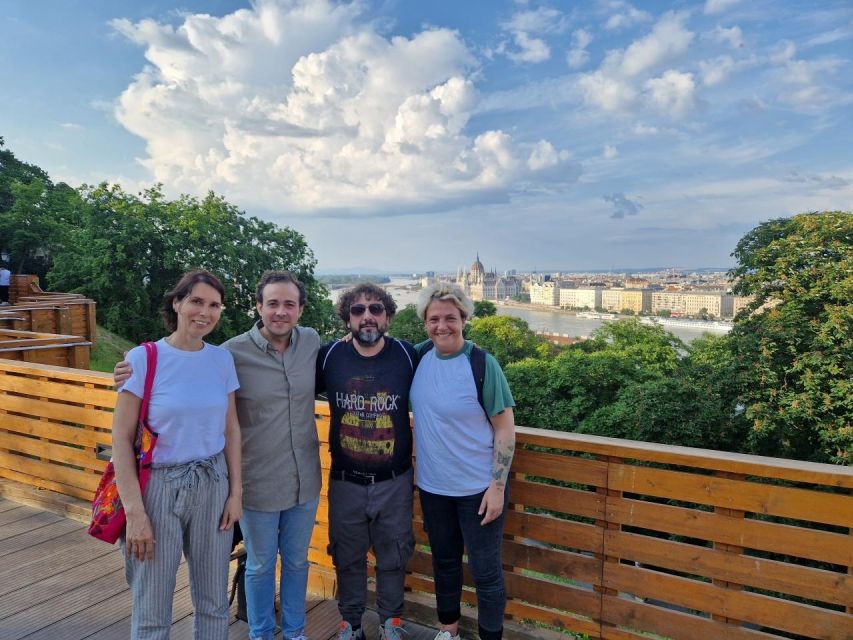
The price is $447 per group up to 4 for 4 hours. That’s how private touring should be judged: the cost is per group, not per solo traveler, so it gets more attractive as you split it among friends or family.
Here’s where the value comes from:
- You’re paying for time savings: hotel pickup, deluxe car movement, and an efficient route across Buda and Pest.
- You’re paying for interpretation: a Spanish-speaking native Hungarian guide with Latin America experience who explains what you’re seeing, not just where to stand.
- You’re paying for flexibility inside the route: private pacing usually means you can ask questions when something grabs your attention.
What’s not included matters too. The tour does not include entry to Mathias Church, which is listed at about 8 EUR per adult. So if you want inside time there, budget a bit more. Also, coffee, drinks, and lunch aren’t included.
If you’re traveling as a couple or small family and want a structured “first contact” with the city, this price can feel fair. If you’re solo and you love going deep into museums one-by-one, you may prefer spending less and doing it on your own. But as a fast, guided orientation across the biggest Budapest zones, it’s built for value.
Who This Tour Fits Best (and Who Might Want Something Different)
This tour is a strong match if you:
- want a private experience with hotel pickup instead of public transit logistics
- prefer learning in Spanish with a native guide
- care about comfort and timing in a short window
- like architecture and major cultural landmarks, but also appreciate “not just the obvious” stops
It can be less ideal if you:
- want to spend lots of time inside multiple sites during the 4 hours
- dislike routes that include several exterior viewing moments
- need very strict accessibility support (the tour lists age limits: not suitable for children under 3 and not suitable over 95)
The sweet spot is the traveler who wants to return to Budapest later with better context. You’ll learn enough to make your next days smarter.
Practical Tips So You Get the Most From the 4 Hours
A few small things can help you enjoy the tour more.
First, wear shoes you’re comfortable walking in. There are walking portions around key areas like City Park and the Jewish Quarter region, and you’ll want stability for viewpoints.
Second, plan your expectations around exterior stops. This is not a “museum marathon” format. It’s a city-view and city-story format, with the guide guiding your attention.
Third, communicate your pickup address clearly and share a contact number and email. The tour notes parking can be an issue, and the guide may need to reach you by phone or WhatsApp/Viber for timing.
Finally, if you’re traveling as Latin tourists, lean into the cultural comparison angle. When the guide mentions Hungarian history through Hispanic cultural references, it’s meant to help you connect dots faster, not distract you from Hungarian specifics.
Should You Book This Private Spanish Budapest Tour?
Book it if you want a high-comfort, well-sequenced introduction to Budapest in 4 hours, with a native guide who speaks fluent Spanish and adds Latin America perspective. It’s especially worth it for small groups who can split the group price, because you’re buying time, comfort, and guided interpretation rather than just transportation.
Skip it or look for another option if your main goal is long interior visits to multiple sites, since the plan includes several highlights from the outside and Mathias Church entry costs extra.
FAQ
FAQ
Is the tour private or shared?
It’s a private group tour.
Does the price include hotel pickup and drop-off?
Yes. Pickup is included from your hotel, Airbnb, or department in Budapest, and you’ll return to Budapest at the end.
Which languages can the guide speak?
The tour guide can speak Spanish, English, Hungarian, and Serbian.
Is entry to Mathias Church included?
No. Entry to Mathias Church is not included, and the price is approximately 8 EUR per adult.
What’s included with the car?
You get an elegant deluxe car with A/C.
What should I know about items you cannot bring?
Drones, weapons or sharp objects, food in the vehicle, alcohol and drugs, video recording, and audio recording are not allowed, along with fireworks or explosive substances and nudity.