REVIEW · BUDAPEST
Budapest Castle Walk
Book on Viator →Operated by Taste Hungary · Bookable on Viator
Budapest’s hill tells stories in every footstep. This 3-hour Budapest Castle Walk turns the Buda Castle district into a moving timeline, from medieval streets to Ottoman and Habsburg rule, with St. Matthias Church entry included. You’ll finish with Danube and city viewpoints, plus a short pause for a coffee or drink.
I especially like how the guide ties the big eras to specific corners—Jewish community sites and the 1945 Siege of Budapest are explained where you’re standing. One possible drawback: timing info can be easy to miss at booking, so I’d double-check your exact start time before heading out—one person reported not seeing the hour clearly during purchase and having trouble getting through by phone.
In This Review
- Key things to know before you go
- Why the Buda Castle Walk hits the sweet spot in 3 hours
- Where you start and how the pacing feels on the hill
- Fisherman’s Bastion: views, defenses, and the Jewish thread
- Matthias Church: interior detail, tiled roof colors, and the WWII scars
- National Széchényi Library: rebuilding cycles you can actually see
- Castle Garden: where the neighborhood feels lived-in
- Várkert Bazaar and Danube viewpoints: the payoff for the climb
- What’s included (and what you should plan to pay for)
- Price and value: is $125 reasonable for this route?
- Group size, guide style, and who this tour fits best
- Should you book the Budapest Castle Walk?
- FAQ
- What is the duration of the Budapest Castle Walk?
- Where do I meet the guide?
- Where does the tour end?
- What time does the tour start?
- Is the St. Matthias Church entrance included?
- Is a coffee or drink included?
- What group size should I expect?
- Is the tour available year-round?
- Are museum entrances included?
- What if the tour doesn’t meet minimum traveler requirements?
- Can I cancel for free?
Key things to know before you go
- Small-group pace (max 8) keeps the walk easy to follow and questions more practical.
- Matthias Church is included: you’ll see the interior and the multi-colored tiled roof.
- WWII is not hand-waved: you’ll hear about the Siege of Budapest and even visit a WWII bunker.
- Jewish history is part of the route: expect references to old street and synagogue sites in the district.
- Great views without rushing: Fisherman’s Bastion and the Danube-side Várkert Bazaar give you panorama time.
- Coffee break included during the tour so the climb feels more manageable.
Why the Buda Castle Walk hits the sweet spot in 3 hours
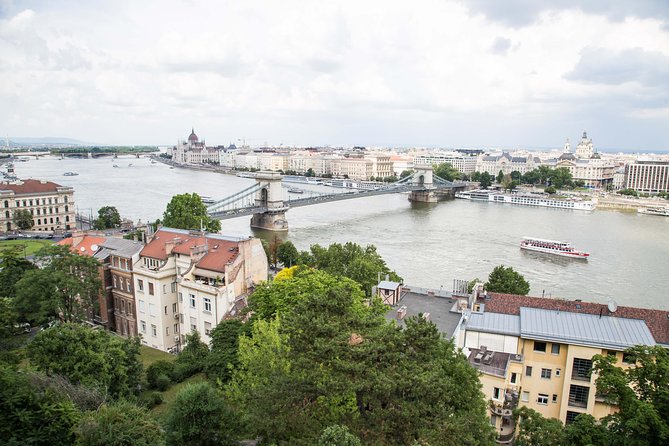
If you have limited time in Budapest, the Buda Castle district is one of the best places to spend it. It’s UNESCO-listed, it’s steep, and it’s layered—medieval, Ottoman, Habsburg, then World War II damage and rebuilds. This tour is built for exactly that kind of place: a guided walk that helps you read what you’re seeing without getting lost in dates.
The route also makes smart use of time. Instead of treating Buda Castle as a checklist, the guide connects the dots between royal power, architecture styles, and the people who lived here. You get landmarks that are famous for a reason (hello, Matthias Church), plus lesser-seen gardens, courtyards, and side alleys that help the area feel real instead of postcard-only.
Finally, the included coffee/drink matters more than you might think. Buda Castle’s cobbles and stairs can add up fast, and a quick stop keeps energy up for the later viewpoints.
You can also read our reviews of more walking tours in Budapest



Where you start and how the pacing feels on the hill
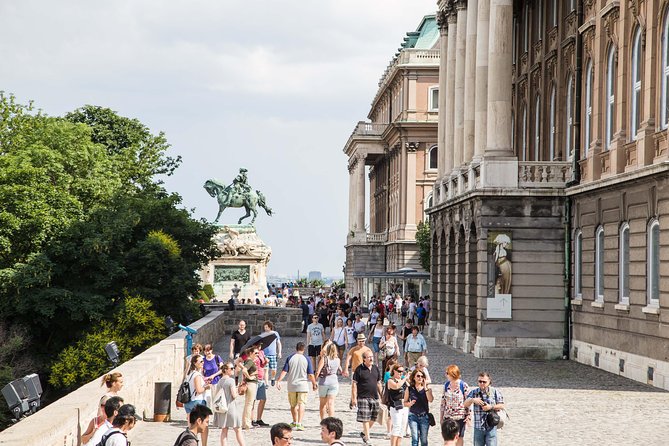
You meet near the Zero Kilometre Stone in Budapest (Clark Ádám tér, 1013). Start time is 3:00 pm, and the tour runs about 3 hours. The end point is at Matthias Church (Mátyás Templom, Szentháromság tér 2, 1014).
That end matters. Finishing near Matthias Church means you don’t have to fight your way back across the district with sore legs—your last big stop already places you in a central spot for further exploring, especially if you’re heading onward toward the Danube.
The tour operates year-round and uses public transit nearby, so it’s easier to plug into a day plan than it might look on paper. And because the group is capped at 8 people, the pace stays human. You’re still walking on uneven ground, but you’re not stuck in a long line.
One practical tip: this is listed as three hours, but it can run longer if you’re chatting, asking questions, or the timing fits well. If you have dinner or another timed reservation, tell your guide at the beginning so they can keep things on track.
Fisherman’s Bastion: views, defenses, and the Jewish thread

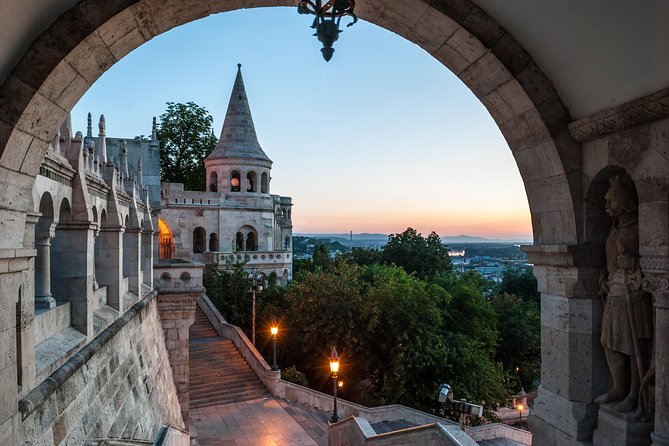
The tour’s first stop is Fisherman’s Bastion. Even if you’ve seen pictures, the spot plays differently in person because it’s shaped by the hill itself. You’ll hear how the streets follow the contours of the slope and how this area has been active since the mid-13th century, when the first royal residence was built here.
What I like about this stop is that the guide uses the geography to explain history. You’re not just staring at the view; you’re learning why this spot mattered—defense, power, movement, and later, how communities formed and changed.
A big part of Fisherman’s Bastion in this tour is the Jewish community connection. You’ll get context about the neighborhood’s role as a hub for Jewish life, including references to old street and synagogue sites. That’s a meaningful angle because Buda Castle is often framed only through royalty and churches, but this neighborhood was home to many different groups over centuries.
For photos, go in with a plan: take the classic Danube-and-city shot, then turn slightly and get the side angles of the hill. Those views help you understand why the district feels like a fortress town built into stone.
Matthias Church: interior detail, tiled roof colors, and the WWII scars
Matthias Church is the emotional centerpiece of the walk. You’ll spend about 20 minutes here, and the entrance fee is included. This is also where the tour’s architecture reading gets very practical.
You’ll look at the interior and the multi-colored tiled roof, and you’ll hear why Matthias Church matters as a coronation site of many Hungarian kings. That royal connection is important, but the tour doesn’t stop at pageantry.
World War II is handled directly. The guide covers the heroes and villains who left their marks here and explains what happened during the Siege of Budapest in 1945, when German and Russian forces fought in the streets and much of the neighborhood was demolished. You’ll also hear about how the area’s rebuilds created the current look of the streets and buildings.
If you want a quick gut-check moment: after hearing about the siege, look around at what you can still see from the outside. It’s the kind of place where the past doesn’t feel abstract—it feels printed into the walls.
You’ll also visit a WWII bunker. That stop changes the vibe from scenic to serious, and it helps the history land in a more physical way than a wall plaque ever could.
National Széchényi Library: rebuilding cycles you can actually see
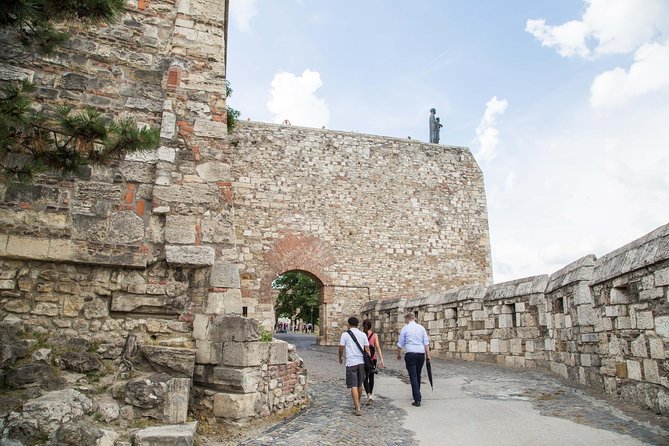
Next up is the National Széchényi Library. This is one of the stops where the tour’s value really shows: it turns “pretty buildings” into a story about repeated destruction and repair.
You’ll learn that the Royal Court sparked a “golden age,” and you’ll also hear a key nuance: no royals ever lived here, even though the palace and neighborhood shaped the identity of the area. That small correction helps you avoid the common tourist shortcut of assuming every landmark was directly tied to daily royal life.
Expect the guide to explain how the palace and surroundings were destroyed and rebuilt multiple times. World War II damage is a major part of the explanation, and the rebuilding after that is described as extensive—enough to leave a different mark on what you see today.
Admission here is free during your stop, so you don’t need to manage extra tickets for this particular moment. The biggest “cost” is your attention span. This stop works best if you’re willing to pause, look at the building, and follow the guide’s timeline thread.






Castle Garden: where the neighborhood feels lived-in

After the more famous monuments, the tour shifts to Castle Garden. This stop is shorter (about 10 minutes), but it adds breathing room and a more local feel.
The big idea: this area is home to the Hungarian president and also a few hundred regular residents in historic buildings. You’ll learn how this part of the district has watched huge events happen over the centuries and now functions as a real neighborhood, not just a museum shell.
It’s also a nice contrast after the heavy WWII segment. Gardens and courtyards help your brain reset. Even if you don’t fully memorize every detail, you’ll remember the change in atmosphere—stone-and-history with a softer edge.
Várkert Bazaar and Danube viewpoints: the payoff for the climb
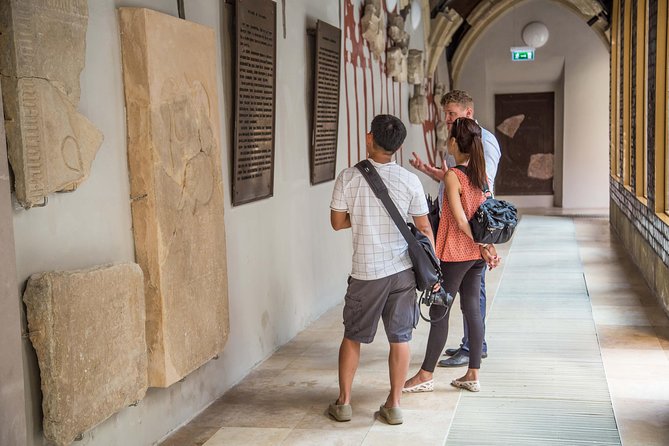
You’ll stroll near the Danube at Várkert Bazaar, which has been restored in a neo-Renaissance style. This is where the tour gives you the “wow” factor without turning into a full sightseeing detour.
The route here is about pacing plus payoff: you get a break from the steepest parts of the district and you can refocus on views. The panoramic angle from Fisherman’s Bastion and other viewpoints is a major part of the experience, and the guide builds time for photo stops and questions so the view doesn’t feel like a rushed stop.
If you like taking pictures, remember that light changes fast late in the day. You start at 3:00 pm, which often means you’re catching the city in a calmer, softer light than midday.
What’s included (and what you should plan to pay for)
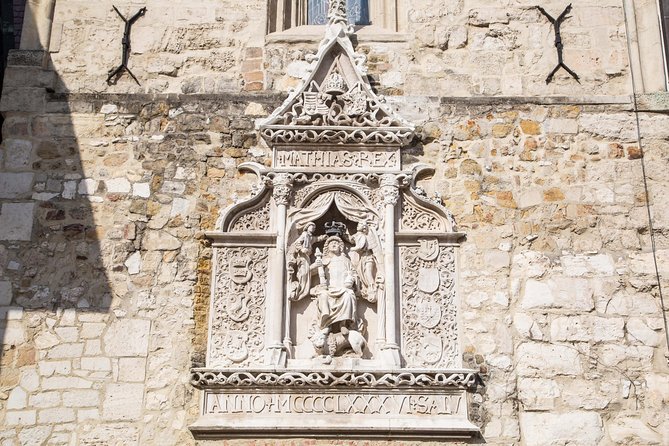
Here’s what the tour covers:
- An English-speaking local guide
- Coffee or another drink during the walk
- Entrance to St. Matthias Church
- Many photo moments and time for questions
What’s not included:
- Museum entrances (in other words, if you want to go inside additional museums beyond what’s scheduled, you’ll need separate tickets)
This setup is good value because the tour focuses on guided looking—buildings, streets, viewpoints, and key interiors—rather than adding lots of paid admissions.
Price and value: is $125 reasonable for this route?
At $125 per person for about three hours, the cost sounds like a splurge—until you break down what you actually receive.
You’re paying for:
- A local guide who connects multiple centuries to specific locations
- A route that includes Matthias Church entry (which you’d likely pay for on your own)
- A coffee/drink break, which helps make the pacing comfortable
- Small-group format, which matters in a steep, photo-heavy district
The price also depends on your time priority. If you’re only in Budapest for a short stretch, a guided walk that prevents guesswork can be worth it even if you spend less on paper than a standalone attraction. If you’re a slow wanderer who prefers to build your own route, you might find it expensive. But if you want the “right order” of Buda Castle story moments, this tour is built for that.
Also, there are options: you can upgrade to a small-group tour (max 8) or choose a private tour if you want flexibility.
Group size, guide style, and who this tour fits best
This experience caps at 8 travelers (minimum 2). That small group size is a real advantage in this area because:
- Streets are uneven and navigation is part of the job
- You’ll want time to look up and ask questions at the viewpoints
- The guide can keep the history thread clear without the group getting stretched out
Most people can participate, and the tour runs year-round. It’s also near public transportation, which helps with getting there and then continuing your day.
This tour suits you best if:
- You want a guided storyline through the UNESCO Buda Castle district
- You care about more than churches—especially the WWII siege story and the Jewish community context
- You’d rather have a planned route than figure out the hill on your own
If you hate walking, or you want to stay mostly inside museums, you may prefer a different format. This is a walk-first experience.
Should you book the Budapest Castle Walk?
Book it if you want a well-paced introduction to Buda Castle with Matthias Church included, solid viewpoint time, and a guide who connects the area’s major eras to the exact spots you’re standing on. The coffee break is a small bonus that makes the climb feel more doable.
Skip it only if you’re already deeply confident in Buda Castle’s layout and want total freedom. Also, do your homework on timing: because one prior booking experience involved unclear start-time info and trouble getting in touch, I’d confirm your meeting time before leaving your hotel and have your confirmation handy on your phone.
FAQ
What is the duration of the Budapest Castle Walk?
The tour lasts about 3 hours.
Where do I meet the guide?
You start near the Zero Kilometre Stone at Clark Ádám tér, 1013 Hungary.
Where does the tour end?
The tour ends at Matthias Church, Mátyás Templom, Szentháromság tér 2, 1014 Hungary.
What time does the tour start?
The listed start time is 3:00 pm.
Is the St. Matthias Church entrance included?
Yes. Entry to St. Matthias Church is included, and you’ll spend time inside.
Is a coffee or drink included?
Yes. A coffee or another drink is included during the tour, along with coffee and/or tea.
What group size should I expect?
This is a small-group tour with a minimum of 2 guests and a maximum of 8.
Is the tour available year-round?
Yes, the tour is available year-round.
Are museum entrances included?
Museum entrances are not included. The tour includes entry to St. Matthias Church.
What if the tour doesn’t meet minimum traveler requirements?
If the minimum number of travelers isn’t met, the tour may be canceled and you’ll be offered an alternative or a full refund.
Can I cancel for free?
Yes. You can cancel up to 24 hours in advance for a full refund.