REVIEW · BUDAPEST
Budapest Jewish Cuisine & Culture Walk
Book on Viator →Operated by Taste Hungary · Bookable on Viator
Budapest has a second story in food and memory. This 4-hour Jewish Cuisine & Culture Walk strings together synagogue sights, WWII-era stops, and real Hungarian Jewish flavors in the city’s Seventh District, then ends with a kosher pálinka pour.
I love the way the guide connects what you eat to what happened here—one moment you’re hearing the story of the ghetto, the next you’re tasting comfort food like turos taska or flodni. Guides like Anna and Orsi are often singled out for bringing both history and food choices together in a way that makes the neighborhood feel understandable, not like a museum.
One thing to plan for: the tour can include synagogue access, but entrance fees to Dohány Grand Synagogue are not included, so if you want full inside time, budget a little extra.
In This Review
- Key Things You’ll Notice on This Walk
- Stepping Into District VII With a Food-First Lens
- The Route Through Jewish Budapest (Where the Stories Land)
- Dohány Street Synagogue Exterior and WWII Memorial Moments
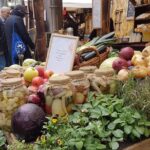
- Tastings Along the Way: Sweet, Savory, and Often Surprisingly Filling
- “Lunch With Wine” and the Comfort-Food Angle
- Coffee Break and Then the Pálinka Finish at a Ruin Pub
- Group Size, Pace, and Why It Matters for You
- Price and Value: When $155 Actually Adds Up
- Who Should Book This (and Who Might Prefer Another Style)
- Should You Book This Jewish Cuisine & Culture Walk?
- FAQ
- What is the duration of the Budapest Jewish Cuisine & Culture Walk?
- What time and where does the tour start?
- How big is the group?
- What’s included in the price?
- Are Dohány Grand Synagogue entrance fees included?
- What kinds of food will I try?
- Can I request dietary accommodations?
- Is the tour language English?
- FAQ
- Is the tour refundable if I cancel?
- What if the tour is canceled due to low booking numbers?
Key Things You’ll Notice on This Walk
- Small-group feel (limited to six people, with a max of eight) makes it easier to ask questions and keep the pace human.
- WWII memorial stops turn the neighborhood’s present-day restaurants into a place with context, not just photos.
- Sweet and savory tastings can include flodni and turos taska plus items like sausage and goose crackling.
- Lunch with wine centers on classic Jewish-Hungarian comfort food such as solet (bean stew) and goose soup.
- Ruin pub pálinka gives you the ending taste test: strong fruit brandy, served as a kosher-friendly local ritual.
Stepping Into District VII With a Food-First Lens
The Seventh District is where Budapest tells one of its most important stories. You start in a central meeting area at Madách Imre tér, then head straight into the streets that shaped a Jewish community for centuries and later became a WWII ghetto.
I like that the tour treats food as a form of culture, not a side quest. You’re not just sampling snacks—you’re seeing how traditions persist in the way people gather, cook, and celebrate.
With a start time of 11:00 am and about 4 hours on your feet, you’ll want comfortable shoes. This is a walking tour, so plan for a steady pace and a few short stops where you’ll stand, look, and listen.
You can also read our reviews of more walking tours in Budapest


The Route Through Jewish Budapest (Where the Stories Land)
As you walk, your guide sets the timeline from the neighborhood’s older roots through the WWII years. You’ll pass streets lined with neoclassical buildings and synagogues that still shape the skyline. The point isn’t trivia; it’s to help you connect the look of the area to what the community built and suffered.
What makes this route work well for you is the rhythm: explanation, then a food stop, then more landmarks. That pacing keeps heavy topics from turning into a lecture, while still honoring the seriousness of what happened.
If you’re the kind of traveler who wants the city to make sense fast, this style helps. You get a framework you can carry into the rest of your Budapest days—so later, when you see another sign, statue, or menu item, you’ll know why it matters.
Dohány Street Synagogue Exterior and WWII Memorial Moments
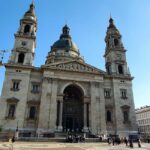
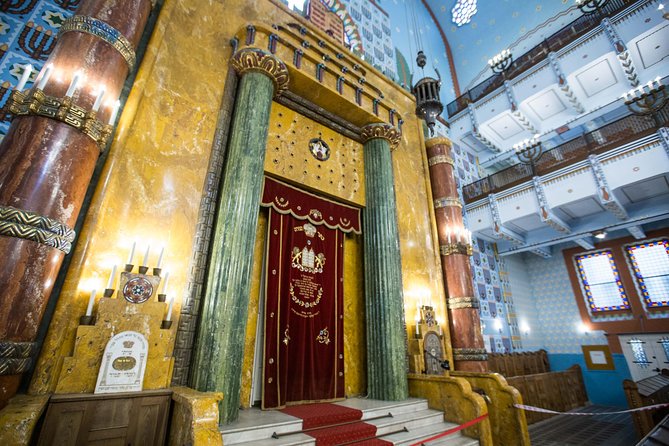
One of the visual anchors is the Dohány Street Synagogue. The tour focuses on the Moorish-style exterior, and you’ll also learn why it’s considered Europe’s largest synagogue.
Then the mood shifts, and it should. You’ll pause at important WWII Jewish memorials that mark the lives lost from this region and beyond, with your guide explaining the area’s sad history.
This part is valuable because it balances the neighborhood’s modern nightlife with the truth underneath. You leave with a fuller picture—how a place can be a creative food hotspot today and still be a memorial to what was destroyed.
Practical note: If you want a full interior visit of the Dohány Grand Synagogue, don’t count on it being included. The tour data clearly says entrance fees to Dohány Grand Synagogue are not included, so you may need to pay separately if you decide to go deeper.
Tastings Along the Way: Sweet, Savory, and Often Surprisingly Filling
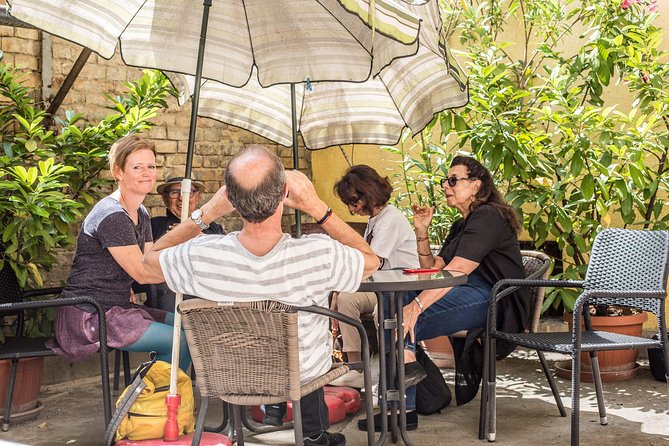
The food stops are the heart of the tour, and the best part is that they’re tied to local identity. The exact menu can shift depending on what’s available that day, but you can expect Jewish-Hungarian favorites to show up often.
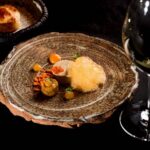
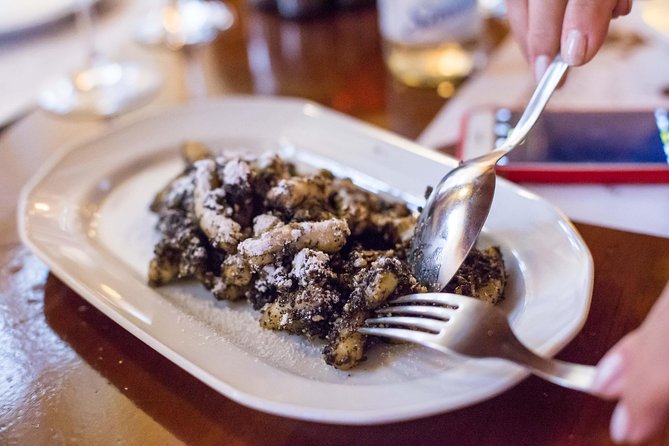
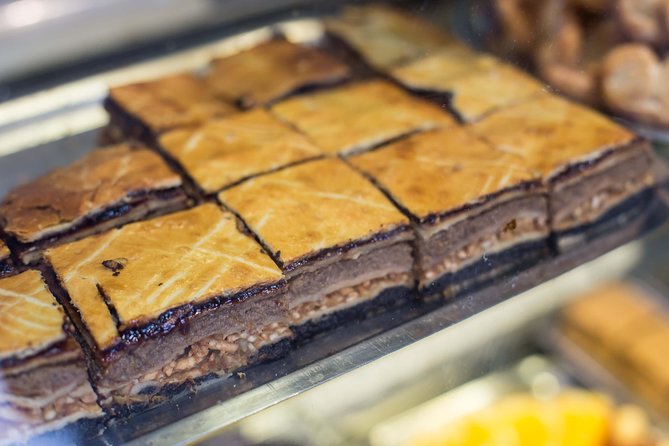
You might taste flodni, a sweet Hungarian Jewish treat, plus turos taska, the curd-cheese pastry that shows up in lots of Jewish baker traditions. On the savory side, you may also run into items like sausage and goose crackling, which give you that unmistakable richness Hungarian Jewish cuisine is known for.
I also like how the tastings are spread out. You’re not forced to eat one huge portion in one place. Instead, you nibble through the neighborhood so you can keep walking and still feel satisfied.
One small drawback to consider: since the tasting list can vary, you shouldn’t expect a perfectly identical menu every day. If you’re picky about specific dishes, tell your guide or check with the operator when you book.
“Lunch With Wine” and the Comfort-Food Angle
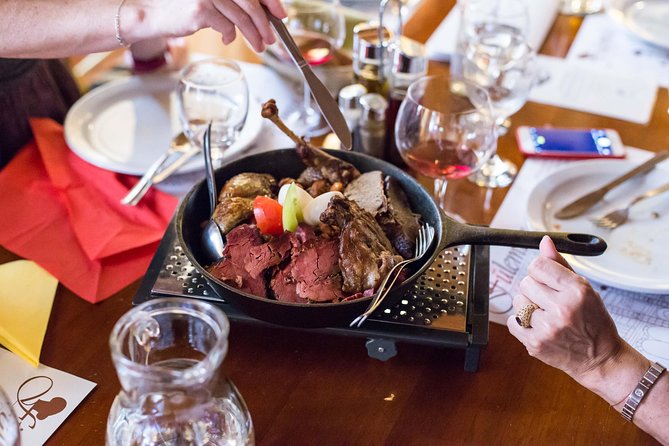
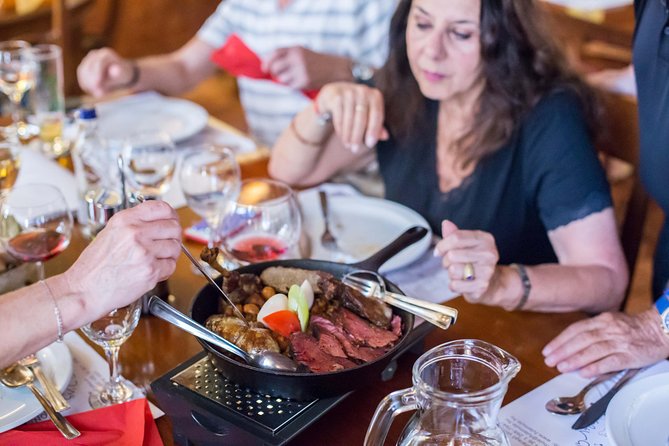
After you’ve done the sweets-and-snacks phase, the tour shifts into a sit-down meal at a restaurant. The lunch is described as a traditional Jewish meal, usually with items such as solet (a Hungarian bean stew) and goose soup, paired with wine.
This is one of the best value moments of the tour because it turns tastings into a real meal. At home, you’d likely pay separate prices for a guided walk plus several food stops and then another full lunch elsewhere. Here, those pieces are bundled together.
You should also know that lunch can vary by day. In the experiences I’ve seen described, meals sometimes include things like matzo ball soup or other classic Jewish comfort dishes such as cholent and brisket. So if you love the idea of an authentic, home-style meal rather than a bland set menu, you’re in the right lane.
Also: eat lighter earlier that morning. People who’ve done this kind of tour often say the tastings add up fast, and this one includes lunch plus multiple drink tastings.






Coffee Break and Then the Pálinka Finish at a Ruin Pub
Once lunch is done, you’re not finished with the food experience. You’ll head to a coffee bar to reset, then wrap up with kosher pálinka—Hungarian fruit brandy—at a ruin pub or sometimes another local bar setup.
I like this finish because it feels like Budapest. Ruin pubs are part of the city’s modern identity, and ending with pálinka gives you a strong, local signature taste to carry home. It’s also the moment where the tour becomes less academic and more social—smiling, chatting, and comparing what you liked best.
This part is a good time to ask your guide what to do next. Tours often include recommendations, and you’ll likely get ideas that fit the kind of traveler you are—whether you want more food, more history, or just a better route through the city.
Group Size, Pace, and Why It Matters for You
This is a small-group tour. The overview states a limit of six people, and the tour listing also caps it at a maximum of eight. That difference matters because smaller groups mean less waiting at each stop and more chance to get personal answers about what you’re seeing.
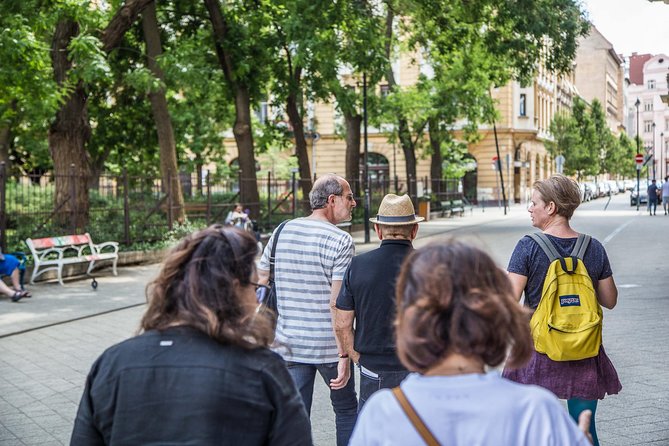
The pace is designed for a mix of standing and walking. You’ll make multiple stops for tastings and for WWII memorial moments, so bring patience—and a plan to slow down when your guide stops talking for a photo or a remembrance pause.
If you’re traveling solo, this format can feel comfortable rather than crowded. If you’re traveling as a pair, you still get the attention of a guide without feeling like you’re stuck in a big bus-style group.
Price and Value: When $155 Actually Adds Up
At $155 per person, this tour isn’t a cheap snack crawl. But the price looks much more reasonable once you count what you get: expert guiding, multiple food tastings, drinks tastings including pálinka, and lunch with wine.
Then there’s the history piece. A guided walking tour around WWII memorial sites and major synagogue landmarks isn’t just “nice to have.” You’re paying for context—so you don’t walk through the neighborhood with only random impressions.
One more value factor: the tour also includes an entrance fee to a synagogue, even though Dohány Grand Synagogue entrance fees are not included. Translation for your budget: you might not need to pay extra for every sacred stop, but you should still be aware that Dohány’s full interior may require separate payment.
Who Should Book This (and Who Might Prefer Another Style)
This walk is a strong fit if you:
- Want Budapest history that connects to everyday life through food
- Like a planned route with stops, not just self-guided wandering
- Enjoy both sweet and savory tastings and a proper lunch
- Prefer smaller groups with room to ask questions
It might be less ideal if you:
- Want only one or two major attractions with lots of free time afterward
- Have strict dietary needs and want a guaranteed specific menu (the operator asks you to advise requirements at booking, but the exact items can vary)
- Expect Dohány Grand Synagogue’s interior visit to be included automatically
If you’re doing Budapest for the first time, I’d place this early in your trip. It helps you understand what you’ll see later, including the modern edge of the neighborhood where art, shops, and food have grown around older stories.
Should You Book This Jewish Cuisine & Culture Walk?
I’d book it if you want a tour that treats food as the doorway to a real place and a real past. The combination—WWII memorial moments, exterior views of Dohány Street Synagogue, and then comfort-food tastings that actually fill you up—feels like a complete experience, not a rushed checklist.
Just do two planning moves first: eat lighter before 11:00 am, and consider whether you also want to budget for any extra Dohány Grand Synagogue entrance fees if inside access is important to you.
If that sounds like your style, you’ll likely end the tour with stronger bearings in Budapest and a menu you’ll remember.
FAQ
What is the duration of the Budapest Jewish Cuisine & Culture Walk?
It runs for about 4 hours.
What time and where does the tour start?
The tour starts at 11:00 am at Madách Imre tér, Budapest, Hungary.
How big is the group?
It’s limited to six people in the small-group format, with a stated maximum of eight.
What’s included in the price?
You get an expert guide, food tastings, drinks tastings including pálinka, lunch with wine, and an entrance fee to a synagogue.
Are Dohány Grand Synagogue entrance fees included?
No. Entrance fees to Dohány Grand Synagogue are not included.
What kinds of food will I try?
You’ll sample Jewish dishes that can vary by day, but may include turos taska, flodni, and savory items like sausage and goose crackling. Lunch can include dishes such as solet (bean stew) and goose soup.
Can I request dietary accommodations?
Yes. You should advise any specific dietary requirements at the time of booking.
Is the tour language English?
Yes, it’s offered in English.
FAQ
Is the tour refundable if I cancel?
The experience is non-refundable and can’t be changed once booked.
What if the tour is canceled due to low booking numbers?
If it’s canceled because the minimum number of passengers isn’t met, you’ll be offered a different date/experience or a full refund.