REVIEW · BUDAPEST
Budapest: Hungarian Cuisine in the Market Hall (german)
Book on GetYourGuide →Operated by Gábor Glasner · Bookable on GetYourGuide
Hungarian flavors start in a real food hall. This tasting walks you through Budapest’s Central Market Hall so you understand what Hungarians actually buy for everyday cooking and celebrations, not just goulash. I love how the food lineup goes beyond the basics—salami, sausage, cheese, paprika, pickles—and how the guide brings it to life with market context and clear history.
The best part is the finish: sampling Unicum and a homemade syrup-style sweet. One consideration: Hungarian cuisine here is meat-forward, so it’s only partially friendly for vegetarians and vegans, and the tour runs in German.
In This Review
- Key things to know before you go
- Central Market Hall: the smartest place to start Hungarian food
- What you’ll taste: salami, cheese, paprika, pickles, and the sweet stuff
- Hungarian cuisine history, taught through real ingredients
- Unicum and homemade syrup: the finish that feels like Hungary
- Price and value: what $28 buys in 85 minutes
- Meeting point at Csarnok tér 1: don’t miss the back entrance
- Language, dietary fit, and the accessibility question
- What kind of traveler this tour suits best
- Should you book the Budapest Hungarian cuisine tasting in the market?
- FAQ
- Is the tour in German?
- How long is the Budapest Hungarian cuisine market hall experience?
- What tastings are included?
- Do you taste Unicum?
- What digital guides do I receive after the tour?
- Is it wheelchair accessible?
Key things to know before you go
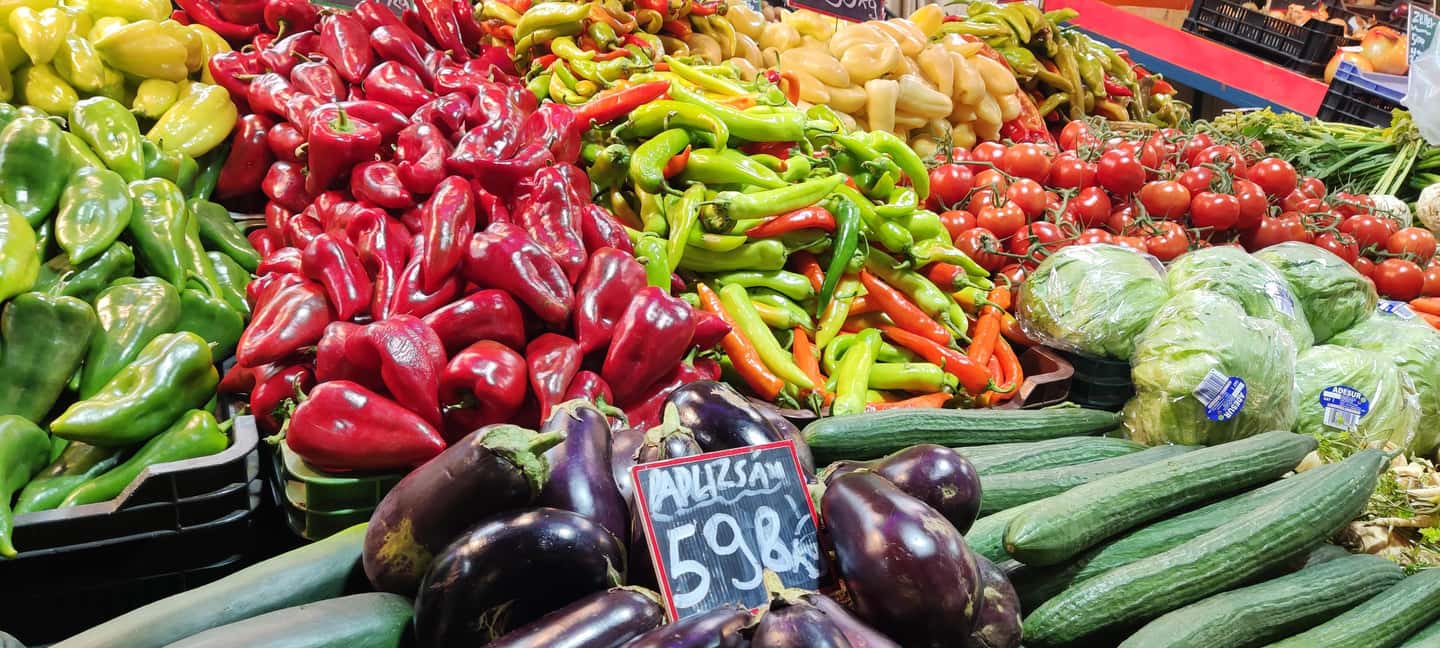
- Central Market Hall as your classroom, right where Hungarians shop for ingredients
- A guided tastings route covering salami, sausage, cheeses, paprika, pickles, honey, and sweets
- Hungarian cuisine history explained in plain terms, with market stops doing the teaching
- Unicum plus a homemade syrup-style finish, a classic flavor of Hungary
- You leave with 3 digital guides: restaurant, Hungarian receipt book, and wine guide
- Meeting at Csarnok tér 1 at the back entrance, with a GastroGuides Budapest guide in a red sticker
Central Market Hall: the smartest place to start Hungarian food
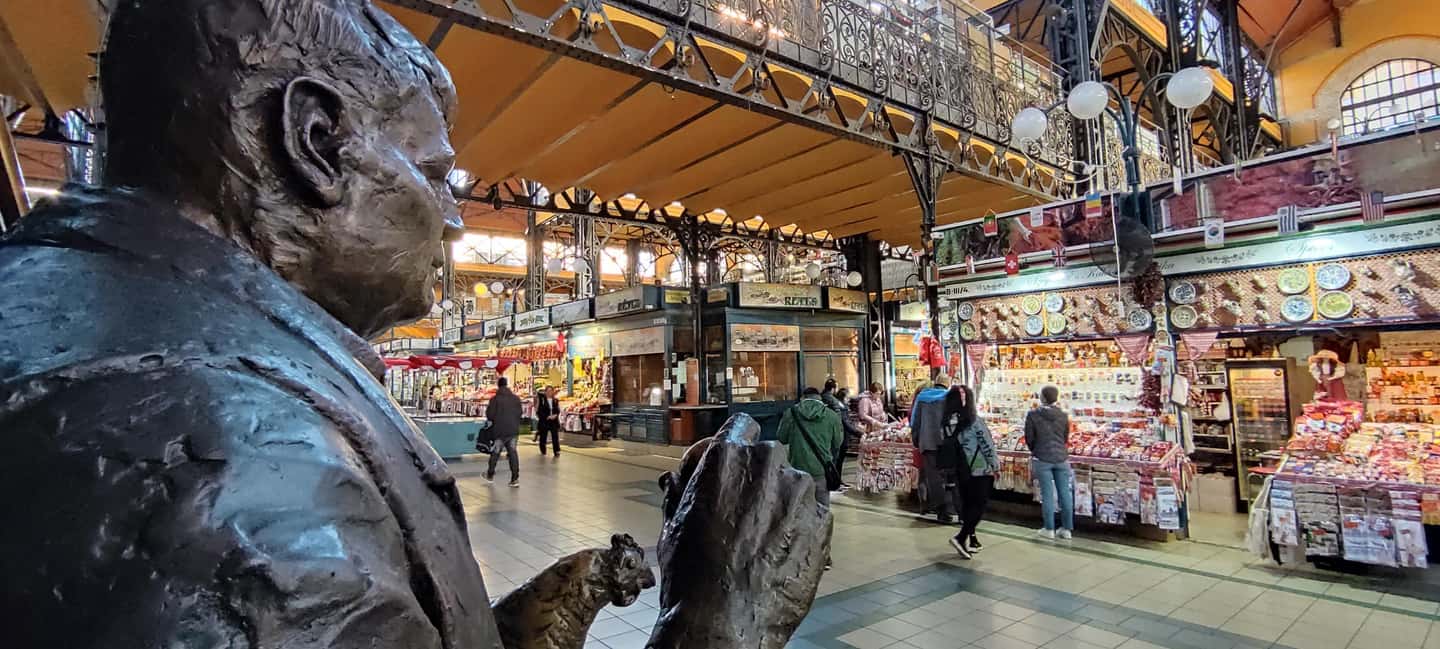
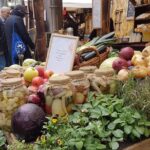
Budapest’s Central Market Hall isn’t just a pretty roof and souvenir chaos. It’s where the local food world is visible. You’ll see how ingredients are displayed, how tastes are built, and why certain flavors stay on repeat in Hungarian cooking.
I like that this tour keeps you moving with purpose. Instead of wandering, you’re guided to the stalls and foods that explain the country’s flavor logic—especially the role of spices, cured meats, and pickled crunch.
You can also read our reviews of more shopping tours in Budapest


What you’ll taste: salami, cheese, paprika, pickles, and the sweet stuff
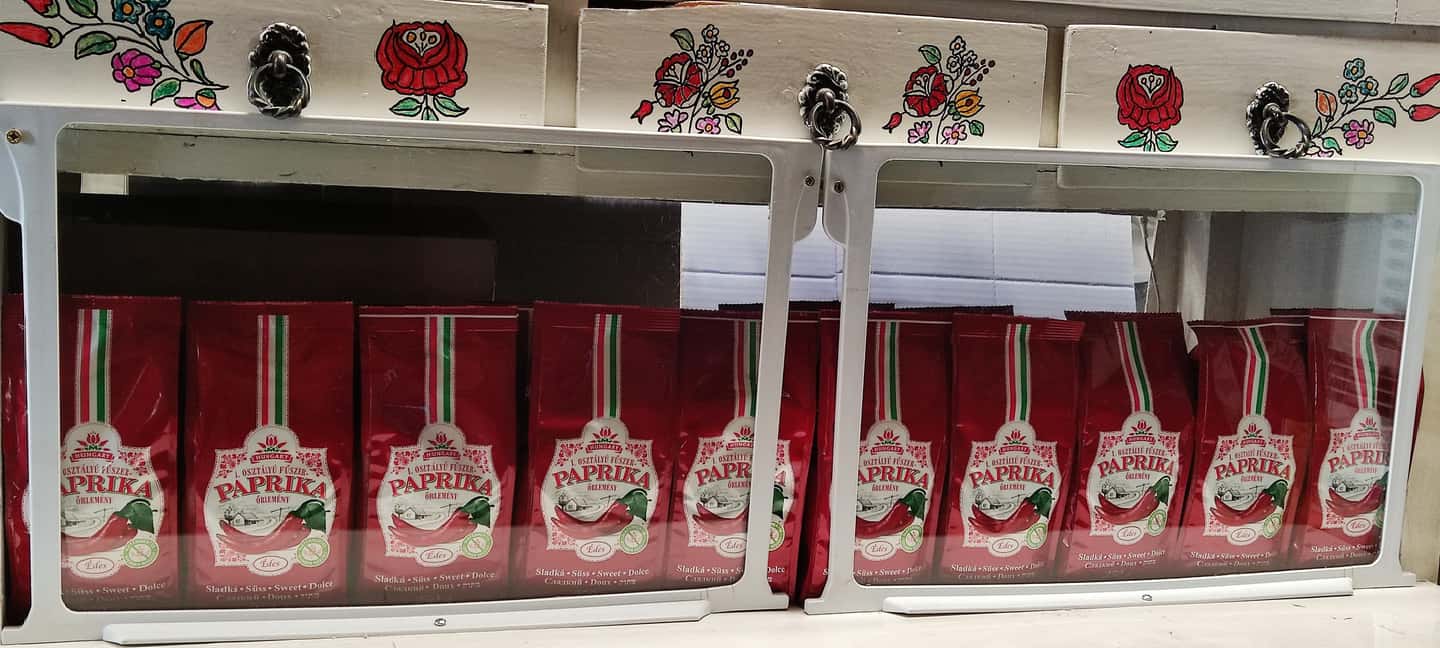
The tastings are designed as a fast, practical survey. You’re not stuck with one kind of bite. You sample across the Hungarian spectrum—salty, tangy, spicy, creamy, and sweet.
Here’s what you can look forward to:
- Cured meats like Hungarian salami and sausage, the obvious stars of the market
- Cheese tastings that help you connect dairy with the overall “comfort food” feel
- Paprika as a core ingredient, not just a garnish
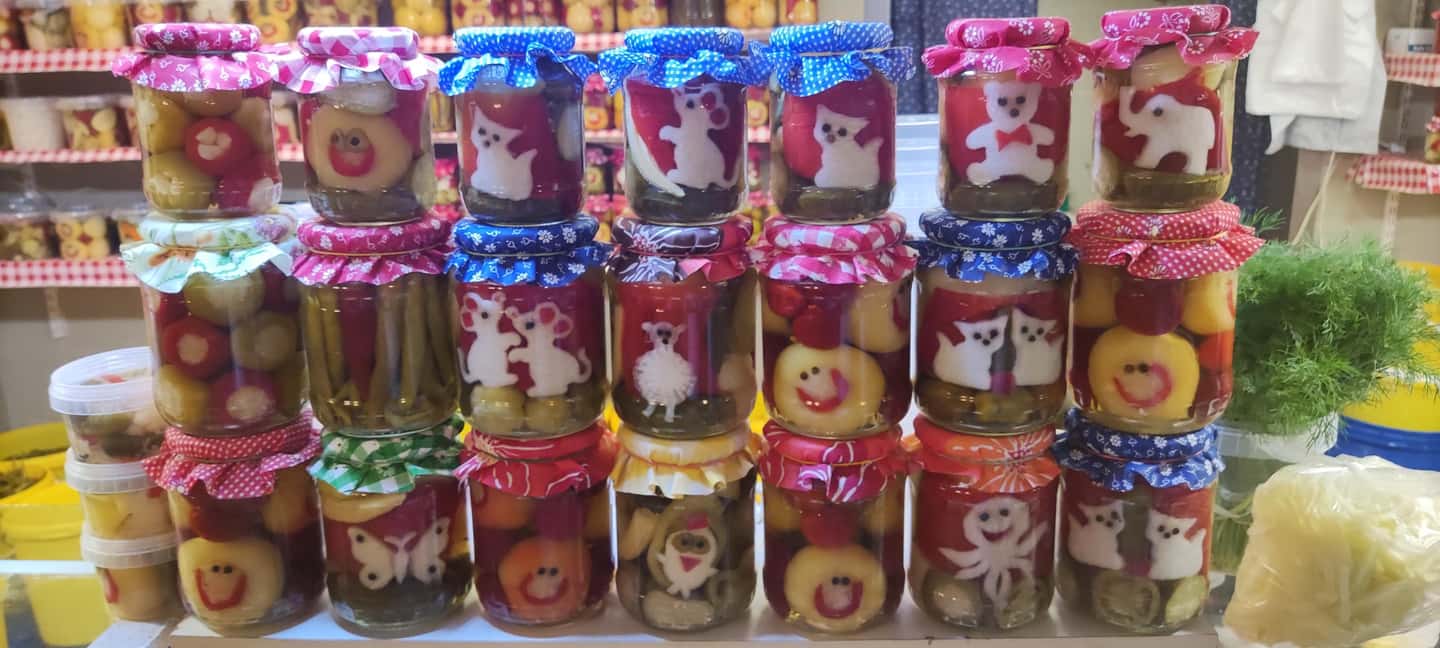
- Pickles for that classic sour-and-crisp balance
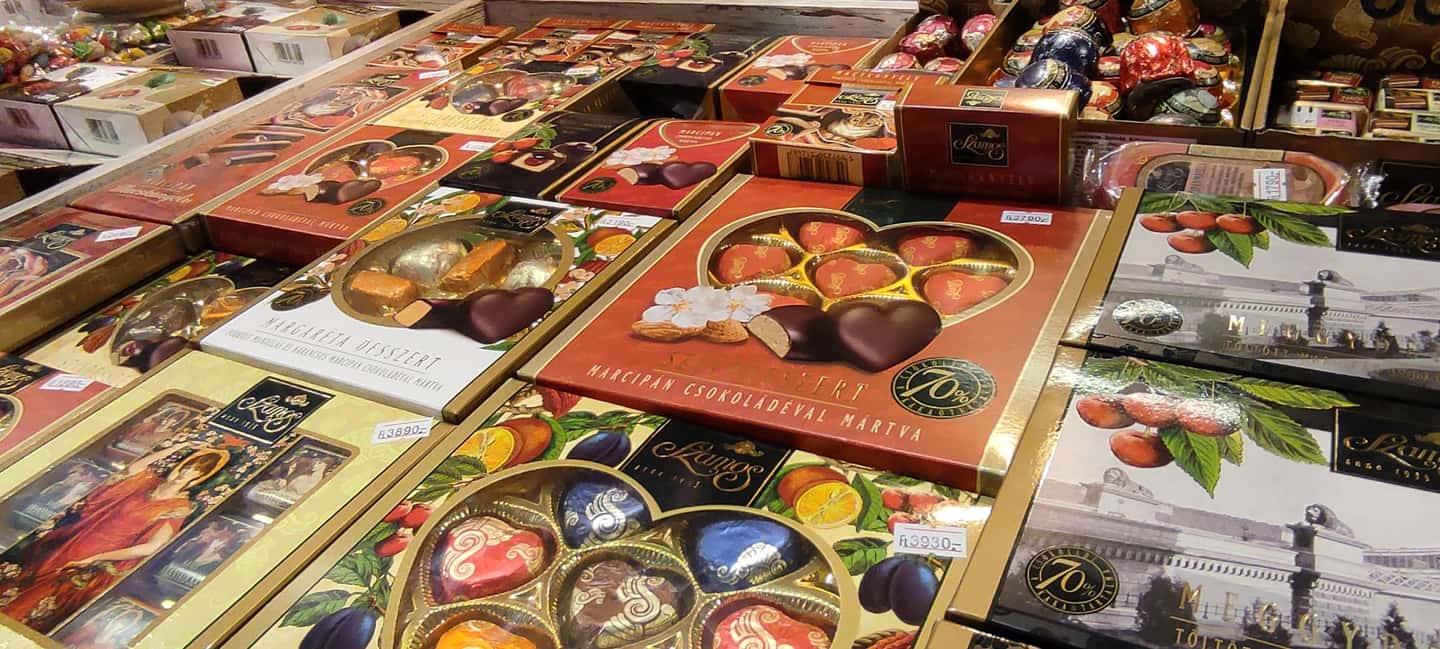
- Honey and traditional sweets, including items that can include strudel and a well-known Hungarian chocolate bar
- Drinks along the way, with soft drink included, plus Hungarian spirit tasting at the end
Two details help the tastings stick in your head. First, you’ll learn what each item is doing in Hungarian cooking and eating style. Second, you get to compare flavors side by side, which makes it way easier to recognize them later when you order in a restaurant.
And yes, the menu is a little meat-heavy. That’s not a flaw with the tour—it’s the food culture you’re signing up to learn. If you’re mostly vegetarian or vegan, you may still enjoy the history and non-meat items, but you should expect the tastings to be only partially plant-friendly.
Hungarian cuisine history, taught through real ingredients
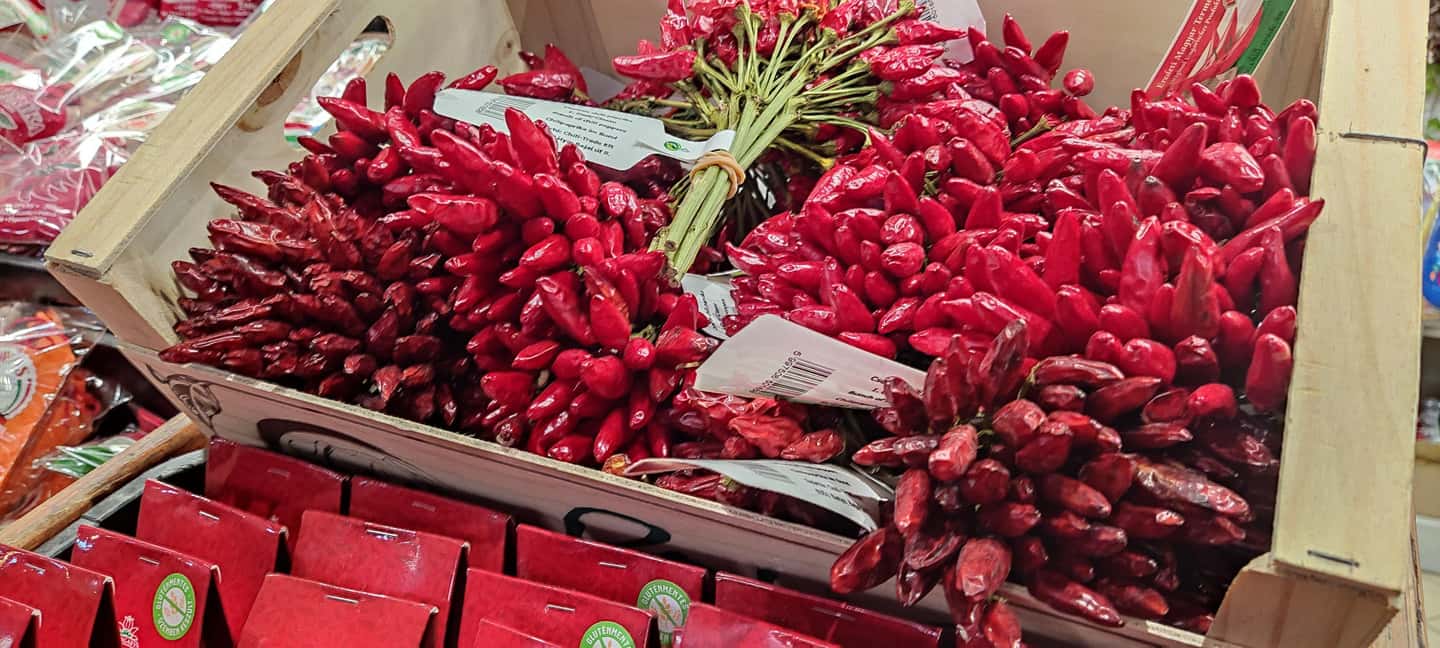
The guide doesn’t treat history like trivia. The story comes from what you’re tasting and seeing as you walk through the hall.
You’ll learn how Hungarian cuisine developed, and why certain flavors and techniques matter. The market setting helps, because spices, cured meats, and preserves aren’t abstract. They’re tangible products with sellers, traditions, and obvious fan bases.
One reason this works so well is the pacing. You’re not listening for an hour straight. You’re tasting, walking, and hearing context in small bursts. That makes the history easier to remember, and it gives you vocabulary for ordering later.
If your German is rusty, don’t panic. The reviews praise how clearly the guide explains things, and you’ll get a lot even without perfect understanding—especially when the food is doing the translating.
Unicum and homemade syrup: the finish that feels like Hungary
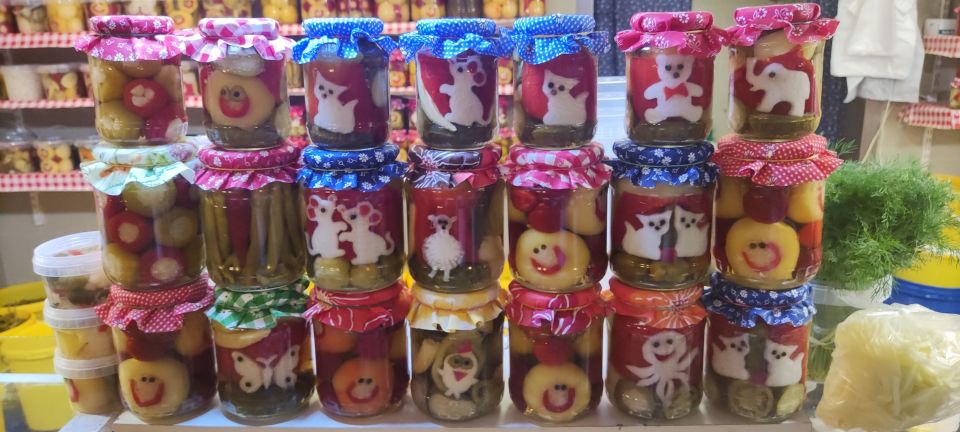
Every country has a signature “try this” moment. For Hungary, part of that is Unicum, a herbal bitter spirit that’s deeply woven into local drinking culture.
This tour saves Unicum for the end, when your taste buds are warmed up and your curiosity is running high. You’ll also sample a homemade syrup-style sweet, which rounds out the experience nicely. It’s a contrast move: bitter, herbal, and then something smoother and sweeter.
That balance matters more than it sounds. If all you get is cured meats and paprika-heavy flavors, everything can start to taste similar. Finishing with Unicum changes the flavor “chapter” and helps you walk away with a fuller picture of Hungarian taste preferences.
Price and value: what $28 buys in 85 minutes
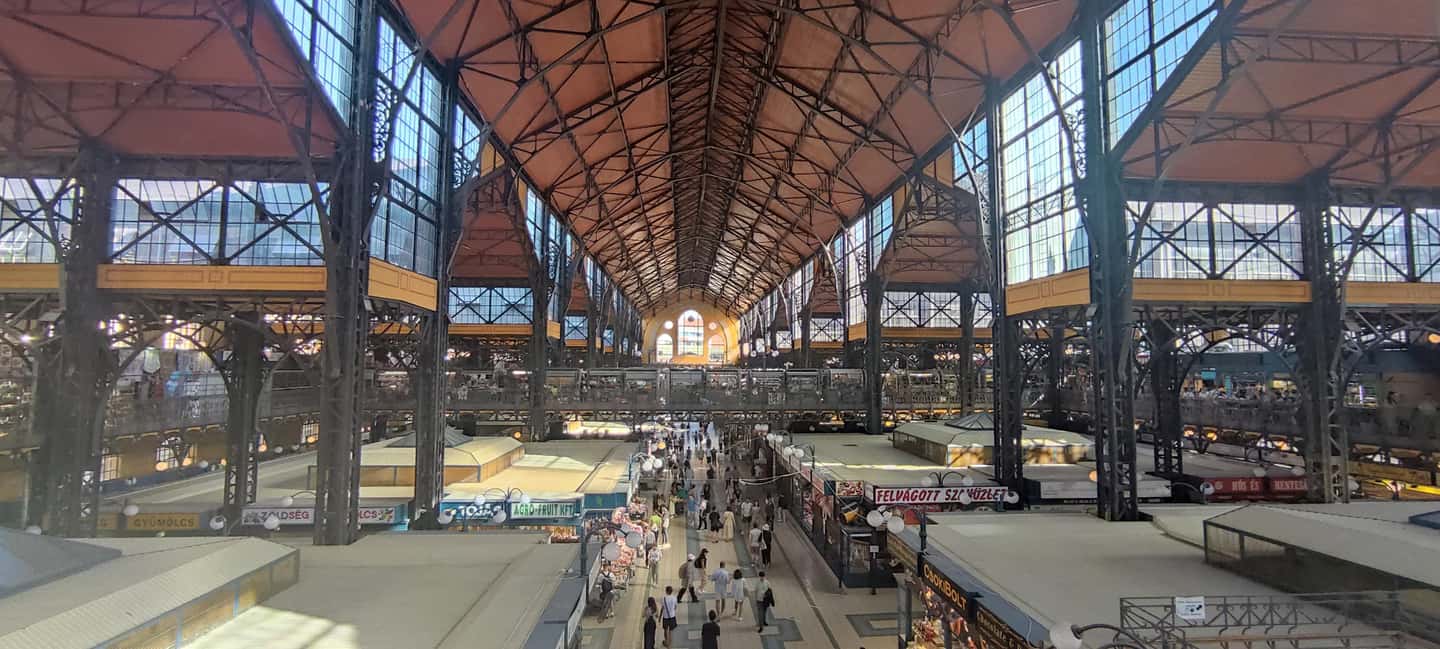
At about $28 per person for roughly 85 minutes, this lands in the “good value” category because you’re paying for three things at once:
- A live local guide in the market
- Multiple tastings (food and drinks)
- Take-home planning tools in digital form
The guide experience is the real anchor. Market tastings can be fun, but without context they become random bites. Here, the guide’s job is to connect what you taste to why Hungarians buy and cook that way.
Then there’s the added practical value: you receive three digital guides after the tour:
- a Budapest Restaurant Guide with recommendations for menus, cafés, bars, and more
- a Hungarian receipt book (essentially a shortlist of best local foods and what to look for)
- a Wine Guide of Hungary
That means the tour isn’t just about what you eat today. It’s about what you’ll order tomorrow, and how confidently you’ll ask for things.
You can also read our reviews of more tours and experiences in Budapest




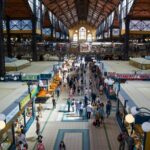
Meeting point at Csarnok tér 1: don’t miss the back entrance
This is one of those tours where starting location matters. You meet at Csarnok tér 1, at the back entrance of the Central Market Hall—specifically against the entrance of the garage of the Hotel Meininger.
Your guide has a red sticker that reads GastroGuides Budapest. Easy fix: arrive 10 minutes early, scan for that sticker, and start the tour calm instead of sprinting.
The tour ends back at the meeting point. That’s useful if you’re planning to continue exploring nearby restaurants, or if you want to grab a stroll through the market on your own right after.
Language, dietary fit, and the accessibility question
This tour is in German. If you don’t speak much German, you’ll still likely enjoy the tasting side, but your understanding of the history and ingredient explanations will be limited.
Diet-wise, there’s a clear issue to plan for: meat plays an important role in Hungarian cuisine. The tour is therefore only partially suitable for vegans/vegetarians. If you’re flexible and want the cultural experience more than a strict diet, it can still work. If you’re strict, you may want to consider alternatives that are built around vegetarian/vegan meals.
On wheelchair access, the information given is mixed: one part says wheelchair accessible, while another note says not suitable for wheelchair users. Because that’s a contradiction, I’d check directly with the operator before booking if mobility access is important for you.
What kind of traveler this tour suits best
I’d book this if you want a structured introduction to Hungarian food without spending hours researching. It’s also great if you like your food experiences to come with context: ingredients, culture, and a path to better ordering later.
You’ll probably enjoy it if:
- you want Hungarian cured meats, paprika flavors, cheese, and pickles in one guided loop
- you like learning how locals shop and what they consider staples
- you value take-home recommendations like restaurant and wine guides
You might skip it if:
- you need a fully meat-free tasting
- you can’t do German at all (the entire tour is in German)
- you have mobility needs that depend on clear wheelchair-friendly routing
Should you book the Budapest Hungarian cuisine tasting in the market?
If your goal is to understand Budapest through what people eat, this is a strong pick. The experience centers on the right setting—Central Market Hall—and it delivers a focused set of tastings that represent Hungarian flavor. I also like that you don’t leave empty-handed: the digital restaurant, receipt, and wine guides help you keep the momentum going after the tour.
My only real caution is your dietary expectations and language comfort. If you can handle a meat-forward food culture and you’re okay with a German tour, you’ll get a lot of value from this 85-minute session. If either of those is a deal-breaker, look for a different type of food tour.
FAQ
Is the tour in German?
Yes, the live guide conducts the tour in German.
How long is the Budapest Hungarian cuisine market hall experience?
The duration is listed as 85 minutes.
What tastings are included?
The tour includes food samples such as salami, sausage, cheese, paprika, pickles, honey, and other specialties from the market, plus soft drink and Unicum.
Do you taste Unicum?
Yes. The tour ends with an authentic Hungarian Unicum tasting, along with a homemade syrup.
What digital guides do I receive after the tour?
You receive three digital guides: a Budapest Restaurant Guide, a Hungarian receipt book, and a Wine Guide of Hungary.
Is it wheelchair accessible?
The information provided is mixed: it lists wheelchair accessible in one place, but also notes not suitable for wheelchair users. If this matters for you, confirm details before booking.