REVIEW · BUDAPEST
Sunrise SUP to the heart of Budapest
Book on Viator →Operated by SUP Budapest · Bookable on Viator
Sunrise on a SUP feels unreal. I love the beginner-friendly setup and the fact that you get gear and training, so you are not guessing your way across the water. I also like the sunrise city views—you are watching Budapest from a perspective most people never get. One thing to think about: it starts early at 6:00 am, and the day depends on good weather.
This is a small-group outing (max 15), which matters when you’re learning balance and want clear help. The paddle is roughly two hours, with a calmer practice stretch first and landmark time later, so you build confidence before the sightseeing part kicks in.
If you are not sure about standing the whole time, you’ll be glad to know the pace is not meant to be punishing. You can sit and paddle if you need to, keeping it comfortable even with moderate fitness.
In This Review
- Key highlights that make this SUP worth the early start
- Why 6:00 am on the Danube feels like a cheat code
- Price and value: $60.15 for gear, training, and landmark time
- Meeting points: where to go so you don’t waste your sunrise
- The flow of the paddle: practice first, Budapest sights second
- Stop-by-stop: what you’ll see and why it feels different from the water
- Parliament-area views: Budapest’s most iconic building from a new angle
- Former kings’ home: feeling the weight of Buda Castle as you glide by
- Gellért Hill and the statue: the city’s famous silhouette in one view
- The oldest bridge: riding near Széchenyi Chain Bridge
- Beginner reality check: what makes it truly accessible
- Small group size: what max 15 does for your comfort
- English guidance and how to make the most of it
- Weather and your best day: plan for calm water
- Who should book this SUP—and who should skip it
- Should you book Sunrise SUP to the Heart of Budapest?
- FAQ
- FAQ
- Where does the Sunrise SUP tour in Budapest start?
- Where does the tour finish?
- What time does the tour start?
- How long is the tour?
- Is this SUP tour suitable for beginners?
- Is SUP equipment included?
- What language is the tour offered in?
- How many people are in the group?
- What fitness level do I need?
- What happens if I cancel or the weather is poor?
Key highlights that make this SUP worth the early start

- Beginner coaching + included gear so you can focus on learning, not shopping
- A sunrise timing that turns the Danube into a quieter, calmer run than later in the day
- Landmark stops by famous Budapest sights for photos and real city context
- Small group size (15 max) for more attention and a less chaotic experience
- You can sit and paddle if standing for the whole time feels like too much
- Good communication and smooth help if plans change due to low participation
Why 6:00 am on the Danube feels like a cheat code
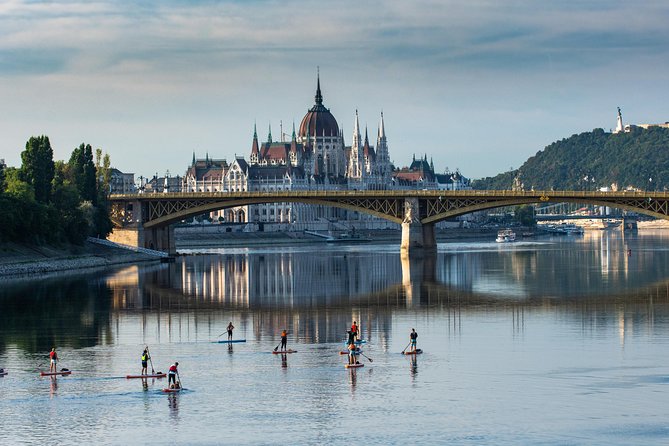
Budapest at sunrise is when the city is most forgiving. Less traffic. Fewer crowds. Softer light. On a SUP, that translates into calmer water and fewer distractions while you’re getting your sea legs.
This tour starts at 6:00 am and runs about two hours. That timing isn’t just about being dramatic. It gives you a clean learning window first—when your balance is still new—and then a sightseeing window when you’re already comfortable with the board. That order helps a lot. Beginners do best when they master basics before the route becomes “look at that!” every few minutes.
The early start is the trade-off. If 6:00 am sounds like a dealbreaker, you might prefer a later SUP option (if you can find one). But if you’re open to waking up, you’ll get a quieter Budapest and a more relaxed experience on the water.
You can also read our reviews of more tours and experiences in Budapest
Price and value: $60.15 for gear, training, and landmark time
At $60.15 per person for around two hours, this isn’t a bargain because it’s “cheap.” It’s a solid value because the essentials are included: SUP equipment and the training you need to use it.
Here’s the practical part. If you rented gear alone, added lessons, and then tried to plan a route that also hits major sights, you’d spend more time and more money. This gives you a guided structure with the payoff built in: learning first, then famous Budapest landmarks during the second section.
Group size also affects value. With a maximum of 15 people, you are less likely to feel like one random body in a big line. You should get enough attention to stay safe and moving.
Also, it’s offered in English, and you get a mobile ticket. That reduces friction—especially if you’re juggling other Budapest plans.
Meeting points: where to go so you don’t waste your sunrise
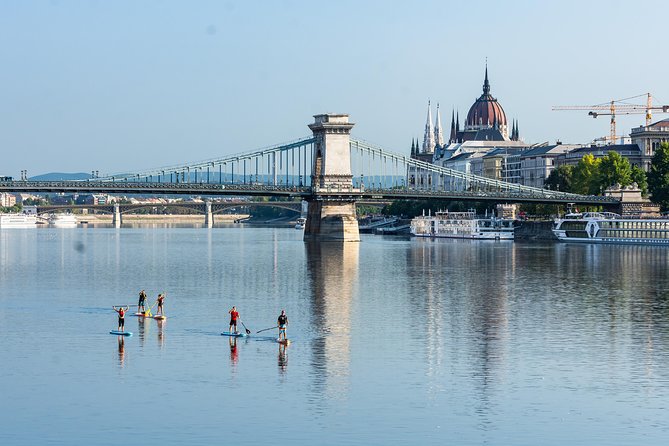
The tour starts at Budapest, Római part 29, 1031 Hungary. The end point is Az Ördög-árok kifolyója, Budapest, Döbrentei tér 2, 1013 Hungary. You’ll stop just before the Elizabeth Bridge on the Buda side.
That “just before Elizabeth Bridge” detail matters because it helps you orient your walk back afterward. You get a clear finish point near one of the city’s signature bridges, instead of an unclear “we’ll drop you somewhere close.”
It’s also near public transportation, which is handy if you’re staying outside the center or you plan to connect directly to breakfast after the paddle. Show up with a little buffer. Sunrise tours run on water time, not street time.
The flow of the paddle: practice first, Budapest sights second
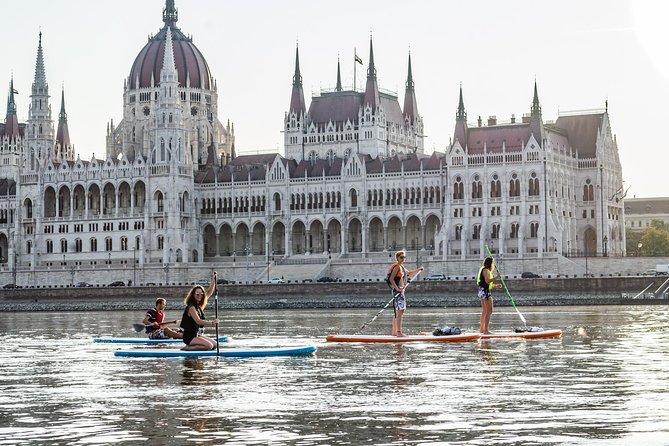
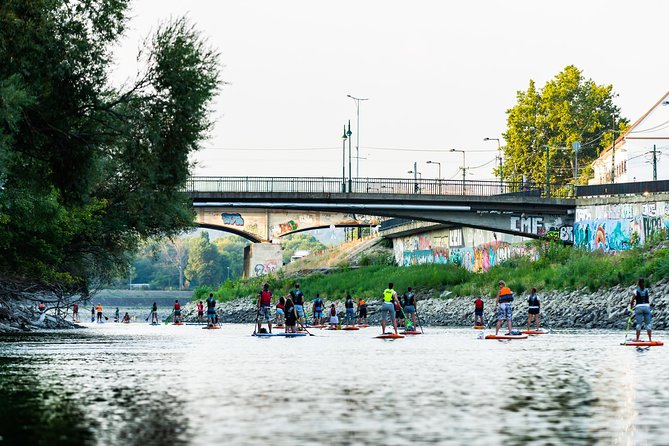
The tour is set up like a smart lesson plan. You start with a calmer section designed for getting used to the boards. That’s exactly what you want on day one, because the Danube can feel big and busy even when it’s calm.
As you move into the second hour, the city sites come into view. This is when the experience shifts from learning how to control the board to enjoying the ride past Budapest landmarks. You are not just floating. You’re actively paddling with iconic architecture around you, which makes it easier to remember the day as a true activity, not just a scenic boat trip.
One more helpful detail: the pace isn’t built to be strenuous. Based on how the tour is described, you can sit and paddle if you’re not confident standing for the full 1.5 hours. That keeps the experience accessible without turning it into “everyone lies down and drifts.”
Stop-by-stop: what you’ll see and why it feels different from the water





Parliament-area views: Budapest’s most iconic building from a new angle
One of your stops centers on the city’s most iconic building—Hungary’s Parliament complex. From the river, those huge stone lines and the scale of the façade hit differently. On land, you’re often stuck at street height, surrounded by cars and tour groups. On the water, the building feels like it’s framing your paddle route.
The best part is that you can take in the architecture while still doing something physical. It breaks up the monotony that some sightseeing can have. The water also gives you a wider, calmer “look” than crowds on the promenade.
A possible drawback is weather-related: even with good conditions, early morning light can be bright on stone, and glare on the water can mess with photos. If you’re serious about photos, keep your eyes on the horizon first—then adjust your phone for the best angle once you’re stable.
Former kings’ home: feeling the weight of Buda Castle as you glide by
Another stop focuses on the home of the former kings. In practice, this is the area around Buda Castle. From the SUP, you get a sense of how the castle sits above the river—an impressive rise that’s hard to fully feel when you’re walking a hill and looking uphill all day.
This stop also makes the city make more sense. Budapest isn’t only streets and bridges; it has layers of power, geography, and history stacked along the Danube. Seeing that royal complex from the water level gives you a layout you can keep in your head when you later explore the viewpoints.
One consideration: castles and historic districts can be visually striking, so it’s easy to get so focused on looking that you forget your paddling rhythm. The good news is the tour structure keeps you moving through the course. You’ll have time to look while still getting instruction.
Gellért Hill and the statue: the city’s famous silhouette in one view
Your route includes the best-known hill and statue of Budapest—Gellért Hill and the Liberty Statue area. This is one of those landmark combinations that most visitors recognize instantly, even if they don’t know the names at first glance.
From the water, the hill becomes more dramatic. You’re not just seeing a statue in the distance. You’re moving in the same corridor where the city’s story unfolds: elevated view above, river below, bridge in between. That “layered geography” makes the skyline feel more real.
If there’s wind, a hill-top area can make you feel it a bit more on the water. You’ll still be fine if you follow instructions, but you might find you concentrate harder on keeping a steady pace. That’s not a problem—it’s part of what makes SUP active.
The oldest bridge: riding near Széchenyi Chain Bridge
Finally, you pass the oldest bridge of Budapest. That points to Széchenyi Chain Bridge. Bridges are usually best from angles that show their full span—and the river gives you that immediately.
This is also a good time for photos because bridges often anchor the background. When you’re on a SUP, you can create a composition that includes both your board and the bridge line cutting across the frame. It feels cinematic without needing a drone.
The main drawback here is simple: timing. If you’re chasing photos, it’s tempting to stop paddling for a minute. Don’t. Keep your strokes going and let the bridge come to you. The tour is designed so you experience the scenery while still being safe and in control.
Beginner reality check: what makes it truly accessible
SUP sounds intimidating until you’re actually on it. This tour is built for beginners, and that’s not just marketing talk. It starts you on a calmer part of the river so you can learn board control before you spend your energy trying to look around.
The equipment is provided, which removes a lot of friction. You’re not trying to figure out which board is stable, which paddle is the right size, or what to do with straps and life essentials. The training is part of the deal.
One of the most reassuring details is that it’s not too strenuous. If standing the whole time isn’t your thing, you can sit and paddle. That option makes the outing feel more like a guided activity than a fitness test.
Moderate physical fitness is all that’s required. “Moderate” is the key word. If you can handle light movement for about two hours and you’re comfortable being outside early, you’re in the right zone.
Small group size: what max 15 does for your comfort
A maximum of 15 travelers is the difference between a guided experience and a crowded event. With a smaller group, instruction tends to feel more direct. You spend less time waiting and more time on the water.
It also helps with photos. The tour operator takes photos of everyone with iconic scenery and provides a link to view pictures. That means you don’t have to choose between paddling safely and trying to time your best shot.
Another practical benefit: better communication. When something changes—like low participation—good updates matter. In past situations, the organizer handled alternative options and refunds quickly and with clear communication. That doesn’t affect your paddle day if everything runs smoothly, but it’s comforting if your schedule is tight.
English guidance and how to make the most of it
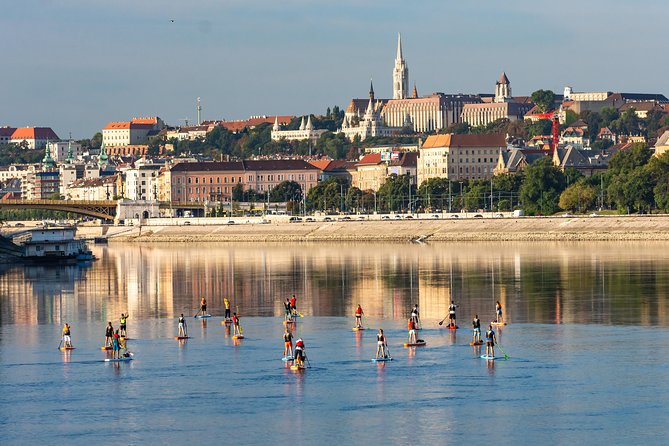
The tour is offered in English, so you should be able to understand the instruction and ask questions without guessing. For beginners, that clarity is huge. You don’t want to interpret hand signals while you’re balancing.
To get the most out of the guide’s time, listen early and ask questions right away. When you learn the basic rhythm—how to paddle without fighting the board—you’ll enjoy the sights more because your body isn’t working overtime just to stay stable.
Weather and your best day: plan for calm water
This experience requires good weather. If it’s canceled due to poor weather, you’ll be offered a different date or a full refund.
For a sunrise tour, this rule is extra important. Even when the city is beautiful, water conditions can change fast. The responsible approach is to let the provider decide if it’s safe rather than trying to force the plan.
If you have flexibility in your itinerary, choose a morning when your schedule can absorb a reschedule. That flexibility makes this a smoother, less stressful experience overall.
Who should book this SUP—and who should skip it
This fits best if you want an active, guided way to see Budapest. If you like being outside early, you’re open to learning something new, and you want landmark views without the usual crowds, you’ll probably love it.
It’s also a great option for couples and small groups who want shared time with a clear structure. The small group size keeps it from feeling like a conveyor belt.
Skip it if you absolutely hate early mornings. Also consider your comfort with moderate fitness and being on a moving surface for about two hours. Even with a sit-and-paddle option, you’ll still be on the water for a while.
Should you book Sunrise SUP to the Heart of Budapest?
If your goal is a memorable Budapest morning that mixes light activity with real sightseeing, this is an easy yes. The value is strong because you get gear, training, and a route that hits big landmarks. The beginner setup—especially the calmer practice stretch—makes it feel achievable, even if you’re not a confident stand-up paddler.
Book it if you want sunrise calm, a small-group vibe, and the chance to see Parliament, Buda Castle area, Gellért Hill, and the oldest bridge from the river. Pass if 6:00 am feels impossible. In that case, you’ll enjoy Budapest more by choosing a later-paced activity.
FAQ
FAQ
Where does the Sunrise SUP tour in Budapest start?
The tour starts at Budapest, Római part 29, 1031 Hungary.
Where does the tour finish?
The tour ends at Az Ördög-árok kifolyója, Budapest, Döbrentei tér 2, 1013 Hungary.
What time does the tour start?
The start time is 6:00 am.
How long is the tour?
The duration is approximately 2 hours.
Is this SUP tour suitable for beginners?
Yes. It’s described as accessible for beginners, with training provided.
Is SUP equipment included?
Yes. Paddleboarding gear is provided.
What language is the tour offered in?
The tour is offered in English.
How many people are in the group?
The maximum group size is 15 travelers.
What fitness level do I need?
Travelers should have a moderate physical fitness level.
What happens if I cancel or the weather is poor?
You can cancel for a full refund up to 24 hours before the experience starts. The experience requires good weather, and if it’s canceled due to poor weather, you’ll be offered a different date or a full refund.