REVIEW · BUDAPEST
Concert on the Oldest Working Organ in Budapest
Book on Viator →Operated by Majestic Sounds Organ Concerts · Bookable on Viator
A church concert can be a great reset after a day of walking. Here, you get organ music in St Michael’s Church, with the sound powered by Budapest’s oldest working organ. Two things I really like: the chance to hear major composers in one sitting, and the way the performers bring the instrument to life.
What makes this feel special is the mix of solo organ and chamber-style programs, often paired with extra voices like soprano and even trumpet, depending on the date. The performances are led by excellent Hungarian musicians such as Miklós Teleki or Tamás Lozsányi, so you’re not just hearing a famous venue.
One possible drawback: this is a calm, listening-focused hour, so if you want big, loud, party-style energy, you may find it a bit too quiet for your tastes.
In This Review
- Quick highlights
- St Michael’s Church turns a concert into a real Budapest moment
- Budapest’s oldest working organ: what that means for your ears
- The music lineup: Bach, Vivaldi, Handel, Franck, and friends
- What the show feels like: organist focus, plus soprano and trumpet
- Timing at 7:00 pm: plan your evening around the music
- Price and value: $23.50 for a focused night of live classical music
- Who should book this concert (and who might pass)
- My take: the best reasons to go are simple
- Should you book this concert?
- FAQ
- Where does the concert take place?
- What time does the concert start?
- How long is the concert?
- How much does it cost?
- Is the ticket digital?
- What kind of music will I hear?
- Who performs at the concert?
- Is there free cancellation?
- Is the venue near public transportation?
Quick highlights
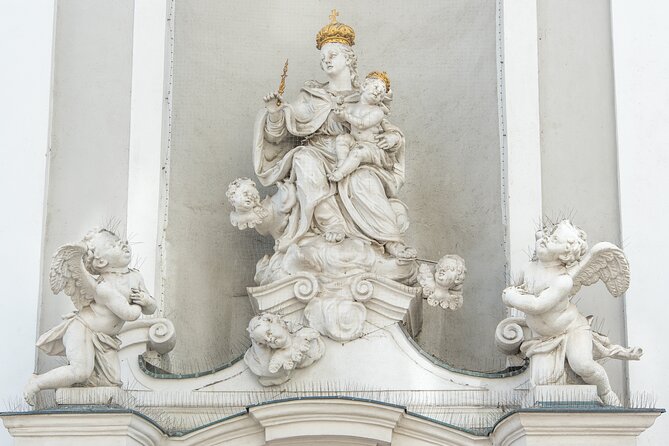
- Budapest’s oldest working organ powers the entire experience at St Michael’s Church
- 70 minutes of music that covers Baroque through Romantic styles, depending on the programme
- Hungarian artists like Miklós Teleki and Tamás Lozsányi lead the show
- Remote camera visibility helps you follow the organist playing from the balcony
- Recorded-program variety means you can catch different works on different dates
St Michael’s Church turns a concert into a real Budapest moment
If you’ve ever had a great museum day and then felt like you needed something more human, this fits the bill. St Michael’s Church is the kind of place where the setting adds meaning before a single note lands. The walls do not feel like scenery; they act like part of the instrument.
I love that the format is simple: you come in, take in the atmosphere, and let one focused concert carry the evening. You also get a concrete payoff fast. In about an hour and a bit, you’re not stuck in a half-day schedule, and you can still go out afterward for dinner.
The other thing I like is that this is not “organ music for organ music’s sake.” The programmes are designed to showcase contrasts—different eras, different moods, different textures—so it stays enjoyable even if your classical playlist starts and ends at a few familiar composers.
You can also read our reviews of more tours and experiences in Budapest



Budapest’s oldest working organ: what that means for your ears
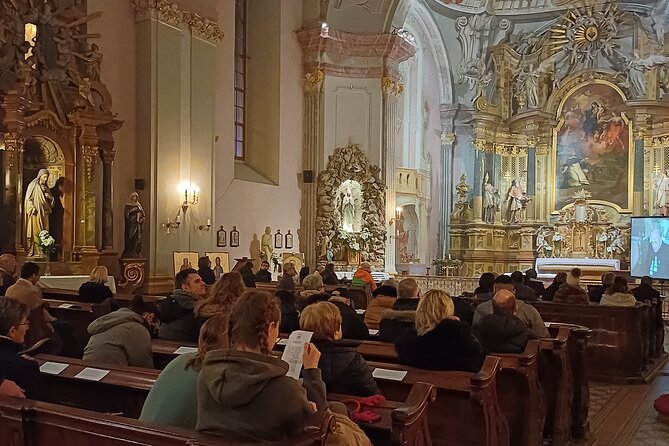
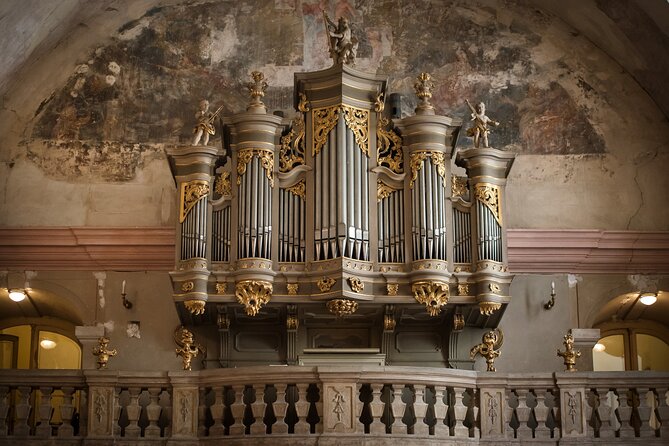
The key detail here is not just that there is an organ in the church. It’s that you’re listening to the oldest working organ in the city, right in this Baroque space.
That matters because you’re hearing a living instrument, not a prop. With a real working organ in a real historic church, the sound doesn’t feel like it’s coming from a screen or a distant stage. It feels physical, built into the room. You also tend to notice more of the “mechanical” personality of the organ—how it can shift from smooth and stately to more playful or even punchy, depending on how the music is written and registered.
One practical tip: arrive ready to slow down your listening. Organ music rewards focus. If you’re constantly checking your phone or whispering over every pause, you’ll miss why the performer changes the sound and why certain passages land so well in a church like this.
The music lineup: Bach, Vivaldi, Handel, Franck, and friends
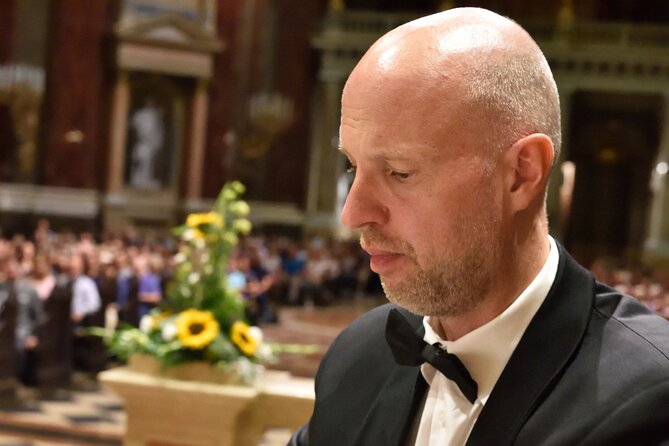
The programmes change by date, so you’re not stuck with one set list forever. You might hear mainly Baroque organ works with that crisp, architectural feel. Or you might hear more Romantic-era energy, with passages that feel more elastic and dramatic.
From the sample programme shared for April 4, 2025, you can get a sense of the range. It includes:
- J. S. Bach: Prelude and Fugue in B minor, BWV 544
- Bach: Trio Sonata in E-flat major, BWV 525
- Antonio Vivaldi – J. S. Bach: Concerto in A minor, BWV 593
- Bach: Pastorella, BWV 590
- Bach: Prelude and Fugue in E-flat major, BWV 552
That’s a great snapshot because it mixes structure (preludes and fugues), chamber-like interplay (trio sonata), and lighter character moments (the Pastorella). Even if fugues aren’t your default listening style, a live setting can make them feel less like homework and more like storytelling.
You might also see composers such as Dubois, Franck, Handel, Liszt, Mozart, Purcell, and Vivaldi mentioned as part of the selected works across the series. In plain terms: the concert is built to cover familiar names, but also to show how different schools of composition use the organ differently.
What the show feels like: organist focus, plus soprano and trumpet
Part of the appeal is the variety of formats. On certain dates, it can be a solo organ concert. On other dates, you may hear chamber music elements, and sometimes vocal or brass features show up, like soprano voices or trumpet.
That matters because the organ can be intense on its own. Add a human voice, and the listening experience changes shape. You’re not just tracking notes; you’re hearing how melody and language interact with organ tones. It’s also one reason people leave talking about the performance itself rather than only the venue.
A small but very real comfort detail from the experience: there’s often a remote camera that lets you see the organist playing from the balcony. If you’ve ever wondered what your view would be like at an organ console that sits higher up, this helps a lot. You can connect what you hear to what you see: hands moving, changes in playing technique, and the overall physical focus required for the instrument.
Timing at 7:00 pm: plan your evening around the music
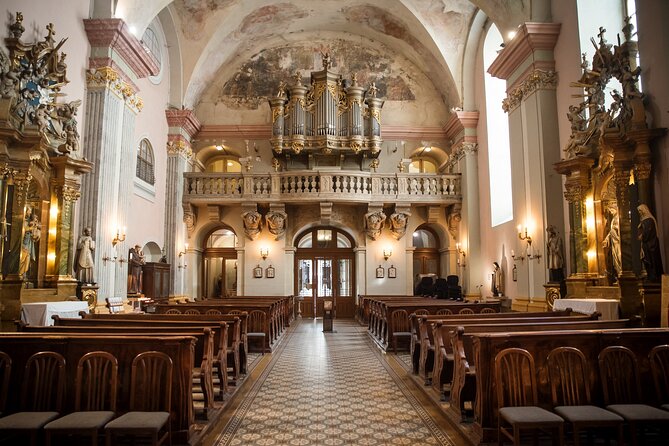
The concert starts at 7:00 pm and lasts about 1 hour 10 minutes. That timing is useful because it’s early enough to still have a full night ahead of you, but late enough that you can avoid the rush of day-time sightseeing.
You’ll want to plan for a calm arrival rather than sprinting in at the last second. This type of concert works best when you take a few minutes to settle and orient yourself. Since it’s a church setting, getting your bearings early is a bigger deal than it would be in a modern theater.
Also, note that the series is described with different day framing—Friday evening concerts are mentioned, and Sunday evenings are also referenced for choosing the programme. So treat your booking date as the deciding factor. You’re not “just going to an organ thing.” You’re going to a specific programme.





Price and value: $23.50 for a focused night of live classical music
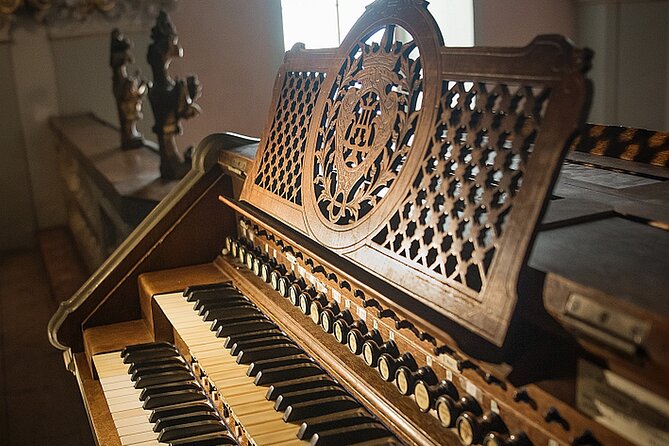
At $23.50 per person, this is priced in the kind of range where you can justify it without turning it into a big budget event. You’re paying for more than a seat. You’re paying for a live performer, a one-hour concert structure, and the chance to hear that specific historic instrument in its own setting.
The value here comes from three practical ingredients:
- One scheduled night with a clear end time (about 70 minutes)
- Live musicians rather than a recording or a lecture-only format
- A real venue experience, not just background music
If you like classical music but don’t want to commit to a full-length opera or a multi-hour program, this offers a sweet spot. It’s long enough to feel like a complete artistic arc, but short enough to keep your Budapest schedule flexible.
One more reason this feels good for the price: it’s designed to cover multiple styles and build interest. If the programme is Baroque-heavy, you’ll hear clarity and craft. If it leans Romantic, you’ll hear more motion and intensity. Either way, the concert tries to keep your attention on how the organ works and how the music changes across eras.
Who should book this concert (and who might pass)
This is a strong match if you want:
- A high-quality classical evening without overplanning
- A Budapest experience tied to a specific landmark, not just general sightseeing
- Music lovers who enjoy hearing Bach and similar composers in a live setting
It’s also great if you’re the kind of person who likes to experience culture the way locals do: by showing up at a scheduled time, taking your seat, and letting the performance handle the rest.
You might want to skip it if you’re looking for something that’s loud, fast, and socially “activity-heavy.” This is more about listening and atmosphere than interaction. Still, that calm tone can be exactly what makes it memorable after a busy day.
My take: the best reasons to go are simple
If I boil it down, you’re choosing three things that matter: venue, performance, and variety.
1) The venue is not generic. St Michael’s Church is tied to the oldest working organ in Budapest, and the Baroque surroundings help the music feel like it belongs there.
2) The performances are led by excellent Hungarian artists (Miklós Teleki or Tamás Lozsányi are named), and the experience can include extra color like soprano voices or trumpet depending on the programme.
3) The programmes are built to shift styles, so you’re not trapped in one musical mood.
Even better: you don’t need to be a die-hard organ devotee. A well-paced concert with a good organist can make the instrument feel approachable fast, especially when there’s a remote camera helping you follow what’s happening.
Should you book this concert?
Yes, if you want a short, high-value classical experience in a real Budapest landmark. At $23.50 for about 70 minutes, you get live performers, a programme that can range from Bach to other major composers, and a setting that actually supports the sound.
Book it if you like listening to details, enjoy hearing familiar composers in a new context, or want a relaxing evening that doesn’t eat your entire night. If you hate quiet, or you need constant entertainment, you may feel more satisfied elsewhere.
Either way, check your travel dates for the specific programme, then show up ready to listen.
FAQ
Where does the concert take place?
It takes place at St Michael’s Church in Budapest.
What time does the concert start?
The start time is 7:00 pm.
How long is the concert?
The duration is about 1 hour 10 minutes.
How much does it cost?
The price is $23.50 per person.
Is the ticket digital?
Yes, you receive a mobile ticket.
What kind of music will I hear?
It’s a mix that can include Baroque organ music, Romantic pieces, and works by composers such as Bach, Dubois, Franck, Handel, Liszt, Mozart, Purcell, and Vivaldi. Programmes can vary by date.
Who performs at the concert?
Hungarian artists perform, including Miklós Teleki or Tamás Lozsányi (depending on the date). Some programmes may also include soprano voices or trumpet.
Is there free cancellation?
Yes. You can cancel up to 24 hours in advance for a full refund.
Is the venue near public transportation?
Yes, it is near public transportation. Service animals are also allowed.