REVIEW · BUDAPEST
Communism in Hungary with a Historian
Book on Viator →Operated by Budapest Explorers · Bookable on Viator
Budapest’s communist scars still show. This 3-hour history walk uses landmarks in Buda and Pest to explain how communism in Hungary shaped daily life, politics, and even religion. You’ll move through the city the way the Cold War did—on foot, then by metro—while your guide keeps the story grounded in real places and real people.
I especially like the small group size (max 10). That’s what lets guides such as Judit, Gabriel, and Raymond answer questions without rushing you. I also love the way the tour uses personal family stories, not just dates—like Raymond’s account of nationalized property and apartment changes under the system.
One consideration: this tour is mostly outside sightseeing. You’ll see big landmarks like St. Stephen’s Basilica and the Hungarian Parliament from the outside, and if you’re hoping for inside visits (or you meant a different themed tour), plan accordingly.
In This Review
- Key highlights at a glance
- Elizabeth Square and that Stalin-era name: where this story starts
- A metro ride that makes the Cold War geography click
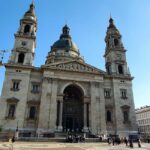
- St. Stephen’s Basilica: faith, public life, and the careful survival strategy
- Szabadság tér: where memorials, embassies, and a bunker edge show the system’s layers
- The Hungarian Parliament and 1956’s Bloody Thursday
- The Communist-style cafe ending: coffee, conversation, and context
- What you’re really paying for: value beyond the sights
- Who this tour fits best (and who might want something else)
- How to get the most out of it
- Should you book Communism in Hungary with a Historian?
- FAQ
- Is the tour offered in English?
- How long is the Communism in Hungary tour?
- What’s included with the tour?
- Do we go inside St. Stephen’s Basilica or the Parliament?
- Where does the tour start and end?
- What’s the cancellation window?
Key highlights at a glance
- Erzsébet tér meeting point near public transport, starting right where the story begins
- Metro ride with tickets included, so you’re not stuck figuring transit mid-tour
- Elizabeth Square to Szabadság tér with monuments, memorials, and a bunker edge you can spot from outside
- St. Stephen’s Basilica area focus on how religion survived under communism
- End at Bambi Café with coffee included, including a classic feel that connects to the era
Elizabeth Square and that Stalin-era name: where this story starts
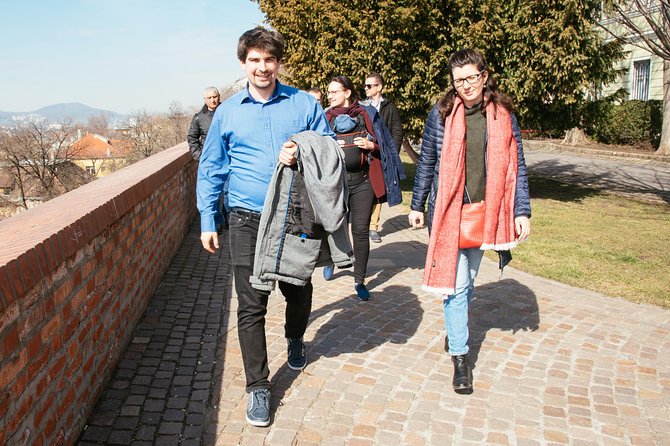
I like tours that don’t just point at statues. This one starts at Erzsébet tér, at the Kempinski Hotel Corvinus meeting spot, because the area itself is part of the lesson. From the start, you’re in the orbit of what was once called Stalin square—so the city isn’t background. It’s the textbook.
Elizabeth Square works well early in the afternoon because you can orient fast: open space for context, then monuments and buildings that help you see how power was displayed in public. Your guide links what you’re seeing to how the system tried to shape behavior—what people were expected to say, where they were safe to gather, and what could get you in trouble.
Tip: bring questions. If you want to understand how propaganda works, or how people learned what to say out loud versus what to keep private, this is the moment to ask. The tour format (small group) makes those questions actually useful, not awkward.
You can also read our reviews of more tours and experiences in Budapest.


A metro ride that makes the Cold War geography click
Half the value here is movement. You’re not just “walking from sight to sight.” You’re traveling the way everyday life under the regime required—getting between neighborhoods, navigating the city, and seeing what stood where it stood for a reason.
The tour includes metro tickets, so you can focus on the story instead of transit logistics. And because the route covers both Buda and Pest, you get a more complete sense of how communist-era influence wasn’t limited to one side of Budapest. Even small changes in elevation and street layout help your guide explain why certain sites became symbolic.
Practical angle: since it’s about 3 hours, wear comfortable shoes. You’ll be standing and walking enough to feel it, even if the pace is conversational.
St. Stephen’s Basilica: faith, public life, and the careful survival strategy
St. Stephen’s Basilica is a great stop because it forces a key question: what happens to religion when the state wants control?
You’ll walk by and see the basilica from the outside while your guide talks about churches and religious life during communism. The point isn’t just that religion existed. It’s that it had to survive in a system that tried to regulate or limit independent institutions. Your guide adds human detail with family stories, including how people navigated church life without making themselves targets.
You also get a helpful reality check: major spiritual buildings don’t get erased when regimes change. Instead, they get repositioned—socially, politically, and emotionally. The tour uses that tension to explain daily life: public spaces can look stable while the rules behind them keep shifting.
If you want interior access: plan for exterior viewing only. This stop is described as outside focus, and admission isn’t included.
Szabadság tér: where memorials, embassies, and a bunker edge show the system’s layers
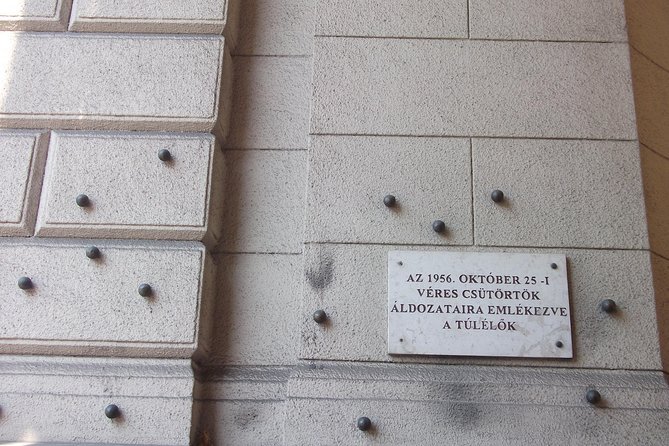
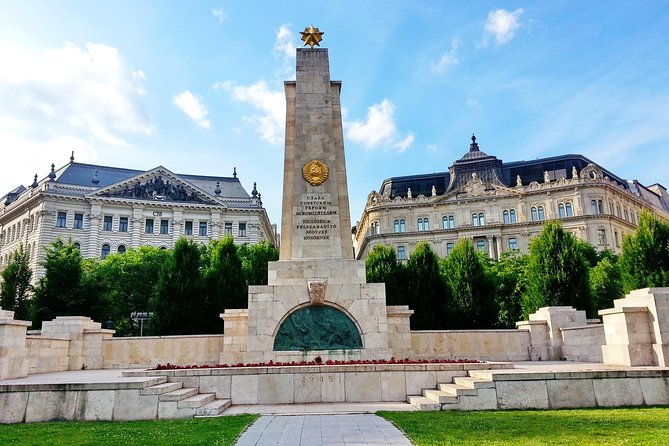
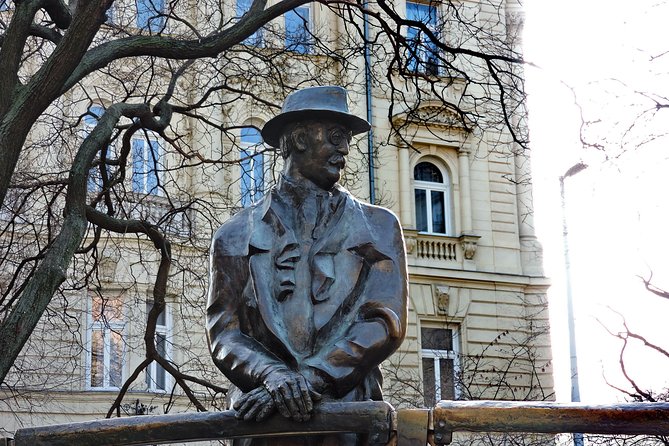
Szabadság tér is where the tour starts feeling especially “Budapest” in the best way. It’s not just one monument; it’s a zone where symbols overlap: memorials, statues, embassies, and political messaging layered across time.
This part runs longer (about 45 minutes), and that extra time matters. Your guide uses the spacing of the square and the surrounding buildings to explain how communism left physical traces—sometimes obvious, sometimes subtle. You’ll hear stories that make those remnants feel less like museum objects and more like proof that political systems leave fingerprints on streets.
One detail I’d highlight: you can see a portion of a bunker from outside. It’s not the kind of stop where you’re meant to feel like you’re watching a movie set. It’s more like learning that fear had infrastructure—places designed for safety, control, and worst-case scenarios.
What to watch for here: notice how the square’s layout guides movement and visibility. Your guide will point out what that meant in real life—who could gather openly and who couldn’t.
The Hungarian Parliament and 1956’s Bloody Thursday
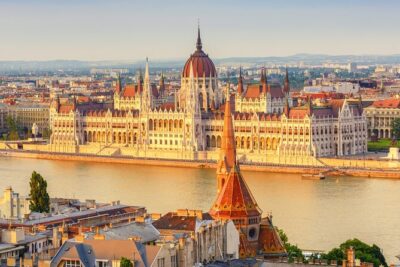
Then you pivot to one of Budapest’s most recognizable backdrops: the Hungarian Parliament Building area. Even if you don’t go inside, the exterior setting gives your guide an advantage. It’s a stage for history—because 1956 played out in public, in front of institutions, and in the middle of the city.
This stop focuses on one of the key events of the revolution: Bloody Thursday, tied to Kossuth square in front of the Parliament. Your guide explains what happened on that day and how it fits the wider story of 1956 and resistance under pressure.
Why this works on a walking tour: you’re not reading history in a vacuum. You’re seeing the exact urban drama—public squares, official buildings, and the way crowds move when they’re determined and desperate. Even from outside, the architecture helps you understand how revolutions meet power.
Small heads-up: admission for the Parliament building itself isn’t included, so you’re there for context and interpretation, not an interior visit.

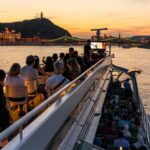

The Communist-style cafe ending: coffee, conversation, and context
Most city tours end with a photo. This one ends with a pause you’ll actually appreciate: a communist-style cafe experience with coffee included.
It typically wraps up at Bambi Café on the Buda side, near the center close to Margaret bridge. On colder or wet days, the tour often ends on the Pest side closer to where you started. That flexibility matters, because it keeps the experience comfortable without cutting the meaning short.
Why I like this ending: cafés are where stories get tested. Over coffee, your guide can connect the architecture and monuments to everyday culture—how people talked, met, and survived emotionally. It’s also a natural moment to ask broader questions about Hungary before and after communism, especially if you want current-day connections.
And Bambi Café has a distinctly old-school feel. One guide note you’ll hear around the tour is that it opened in 1961 and hasn’t changed much since—so you’re sitting in a place that feels continuous with the era you just studied.
What you’re really paying for: value beyond the sights
At $59.13 per person, this tour is priced for solid, interpretation-heavy time—not a “scan the monuments” package. The value comes from a few specific things you can’t easily get on your own:
- A time-efficient route that hits multiple communist-era sites in about 3 hours
- Transportation help via included metro tickets
- Real storytelling with family anecdotes, not just a scripted overview
- Small group size (max 10), which makes your questions part of the experience
- Coffee included at the end, so you’re not scrambling for a place to sit and process what you learned
If you’re the type of traveler who likes to understand why things are the way they are—rather than just what’s where—this price makes sense.
Also note the departure timing: it starts at 2:00 pm. That’s a sweet spot for Budapest. You’re away from the harshest morning crowds and you’re still set up for a later evening plan.
Who this tour fits best (and who might want something else)
This is ideal if you want the human side of communism in Hungary: how systems affected housing, work, religion, fear, and public life. Many guides bring family stories into the picture. For example, Raymond has shared detailed personal context about how property and apartments changed under nationalization, and how people managed the constant risk of being reported.
It also fits well if you like balanced history. One guide approach highlighted in the experience is honest presentation with multiple angles—so you leave with a clearer picture rather than a single talking point.
Who might want to adjust expectations:
- If you’re hoping for mostly inside visits, this isn’t that kind of tour.
- If you’re expecting synagogues, this themed route doesn’t include them. (There are separate tours for that focus.)
- If you want lots of time at one stop, note that the walking pace is structured: shorter segments at Elizabeth Square and the Parliament area, longer time at Szabadság tér.
How to get the most out of it
Here’s how to make your afternoon count:
- Come ready to ask why. You’ll learn the what, but the best stories come when you ask how people handled the rules day to day.
- Bring curiosity about religion and politics. St. Stephen’s Basilica gets at how faith survived without being erased.
- Look at the space, not just the objects. Squares and sight lines matter when your guide explains public power and public fear.
- Dress for weather. You’ll spend time outside and the end location can shift on wet/cold days.
Should you book Communism in Hungary with a Historian?
If your goal is to understand communist-era Budapest beyond captions, I’d book it. The combination of small group, metro help, and story-driven interpretation makes the city’s political history feel personal instead of abstract. You’ll see major landmarks like St. Stephen’s Basilica and the Parliament area, plus the “in-between” communist remnants at Szabadság tér that most casual walks miss. Then you finish with coffee at Bambi Café, which is a nice way to slow down and connect the themes.
If you mostly want inside visits, or you’re looking for a different theme such as synagogue history, you’ll likely feel constrained. But for many visitors, this is the kind of tour that turns Budapest from pretty postcards into a living lesson.
FAQ
Is the tour offered in English?
Yes. The experience is offered in English.
How long is the Communism in Hungary tour?
It lasts about 3 hours.
What’s included with the tour?
You’ll get a mobile ticket, a metro ride with tickets included, and coffee included at the end in the communist-style cafe.
Do we go inside St. Stephen’s Basilica or the Parliament?
No. St. Stephen’s Basilica and the Hungarian Parliament Building are covered as outside visits, and admission isn’t included for those stops.
Where does the tour start and end?
It starts at Kempinski Hotel Corvinus Budapest near Erzsébet tér (Erzsébet tér 7-8, 1051). It ends usually at Bambi Café on the Buda side near Margaret bridge, though on colder or wet days it may end on the Pest side closer to the center.
What’s the cancellation window?
You can cancel up to 24 hours in advance for a full refund. If you cancel less than 24 hours before the start time, the amount paid isn’t refunded.