REVIEW · BUDAPEST
Budapest North Canoe Trip
Book on Viator →Operated by Hunscapes Co. Ltd. · Bookable on Viator
In This Review
- Budapest North Canoe Trip: Danube Calm, City Close
- Key Things That Make This Canoe Trip Worth It
- Safety Briefing First: What You Learn Before You Paddle
- From Kalászi u. 41 to the First Branch: The Trip’s Overall Flow
- The Island Break: Quiet Minutes in the Middle of Budapest
- Downstream Return: Why the Second Half Feels Easier
- Price and Value: Is $72.25 Actually Fair?
- Weather, Water Levels, and What to Expect on the Day
- Who Should Book This Canoe Trip (and Who Might Skip It)
- Meeting Point Tips: Making Kalászi u. 41 Easy
- Should You Book the Budapest North Canoe Trip?
- FAQ
- Where is the meeting point for the Budapest North Canoe Trip?
- How long is the canoe trip?
- Is the tour suitable for beginners?
- What safety equipment is provided?
- Is this a private tour?
- What language is the tour offered in?
- What is the cancellation policy?
- When will I receive confirmation after booking?
Budapest North Canoe Trip: Danube Calm, City Close
You get city views from a canoe, not from a sidewalk. This Budapest North trip pairs easy paddling instruction with a relaxing break on a small Danube island, plus wildlife and river-floodplain stories along the way.
I especially like the way the guide keeps things safe and beginner-friendly: canoes, paddles, and lifejackets are part of the setup, and you get basic canoeing instruction before you go. I also like the simple magic of moving through a quieter branch of the river while Budapest hums in the background.
One thing to consider: you will need a moderate physical fitness level for 4.5 hours on the water, and the trip depends on good weather.
Key Things That Make This Canoe Trip Worth It
- Safety-first start with a short briefing and basic canoeing coaching
- Lifejackets and paddles provided, so you can focus on the experience
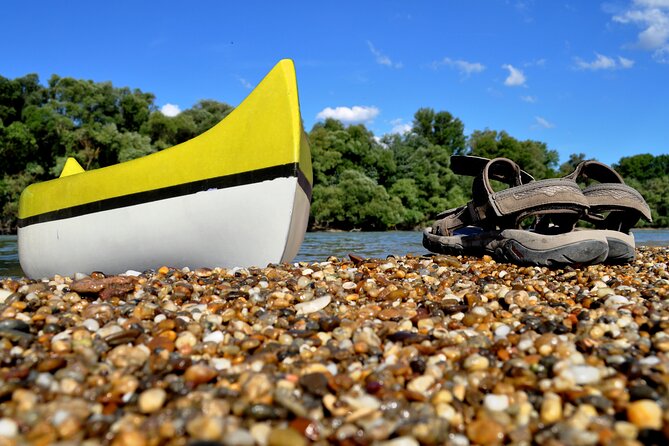
- A break on a small Danube island where the city feels farther away
- Wildlife and floodplain history are built into the paddle, not tacked on
- Downstream return makes the second half feel easier
- Water-level dependent detours, which can mean a deserted island or hidden branch
You can also read our reviews of more tours and experiences in Budapest



Safety Briefing First: What You Learn Before You Paddle
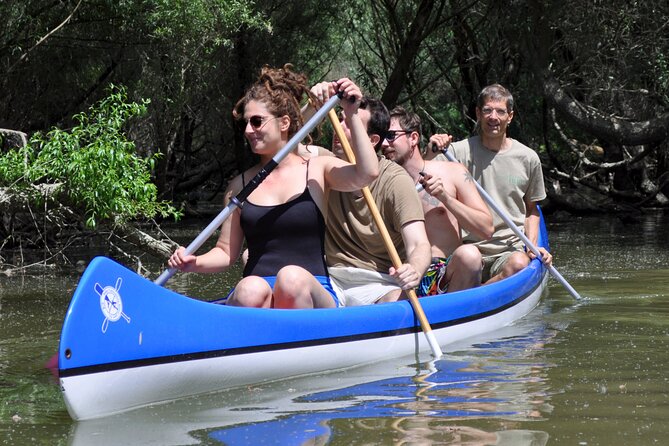
This trip doesn’t start with you “figuring it out.” You begin with safety guidance and the basics of canoe handling. The plan is straightforward: you learn how to sit, how to hold and use the paddle, and how to move your canoe without fighting the water.
That matters, because the Danube can look calm from the bank but still shift with currents and river branches. The key is that you’re led by an experienced steersman, so you’re not just watching the guide from shore and hoping for the best. You’re actually doing the work, while someone who steers the boat keeps your route and pace sensible.
If you’re a true beginner, this style of instruction is usually the difference between a nice afternoon and a stressful one. Here, the trip is explicitly set up so beginners can participate, and the early coaching helps you feel confident before you head into that quieter, branch-like part of the river.
From Kalászi u. 41 to the First Branch: The Trip’s Overall Flow
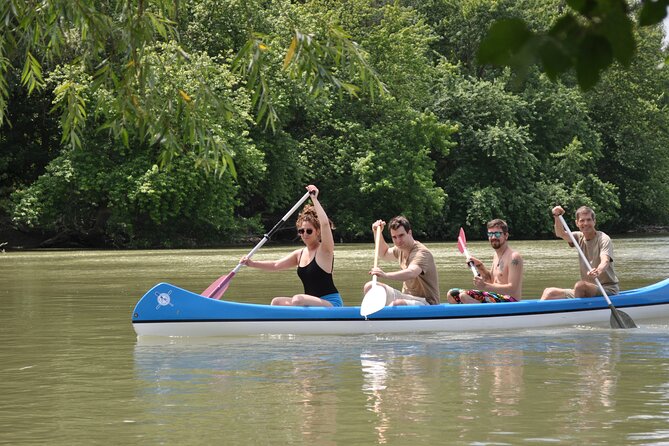
You meet at Budapest, Kalászi u. 41, 1031 Hungary, and the experience ends back at the same meeting point. The total time is about 4 hours 30 minutes, so you’re not signing up for an all-day project. It’s long enough to feel like a real outing, but short enough to fit comfortably into a Budapest day.
Once you’re on the water, the rhythm is calm and intentional. You paddle up an attractive branch of the Danube toward a minor island. Early on, you’ll likely feel the most “learning curve” in your arms and balance—normal canoe stuff. After that, it tends to click: you stop thinking about every motion and start paying attention to the river around you.
A big practical plus: you’re traveling upstream first, and then returning downstream. That means the return is generally easier because you’re going with the flow. If you’re planning around energy levels, you can treat it like this: push a bit at the start, settle into the experience, then coast back with less effort.
The Island Break: Quiet Minutes in the Middle of Budapest
The most memorable part is the rest stop on a small island on the Danube. This is where the whole tour’s concept lands: you’re surrounded by water and riverbanks, but you’re still in Budapest. So instead of escaping the city by leaving the region, you escape it by moving into a quieter pocket of the river.
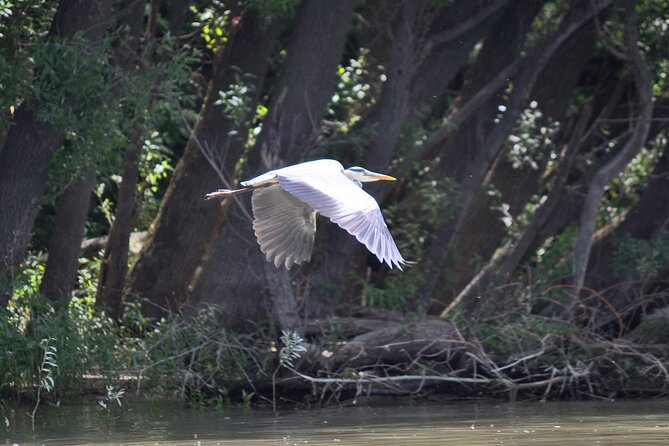
While you’re resting, you get stories and context from your guide. Expect to hear about the riverside wildlife you might spot, plus history and unique architecture tied to the floodplain. The wording is “history and unique architecture of the floodplain,” but the effect you’re aiming for is simple: you start seeing the Danube not as a backdrop, but as a living system that shapes how this city developed.
Depending on water levels, the outing may include extra exploration beyond the main planned stop—either a deserted island or a hidden branch of the river. That variability is worth embracing. If conditions allow, you’ll likely get a slightly different flavor than the standard route, and that can make the trip feel less repetitive and more like you caught the river at the right moment.
And yes, there’s time to relax. One review highlights lunch at a local restaurant arranged by the guide, with food described as great and time to rest in nice weather. Your experience might not look identical day to day, but it’s a helpful clue: this trip often leaves room for more than just paddling.
Downstream Return: Why the Second Half Feels Easier
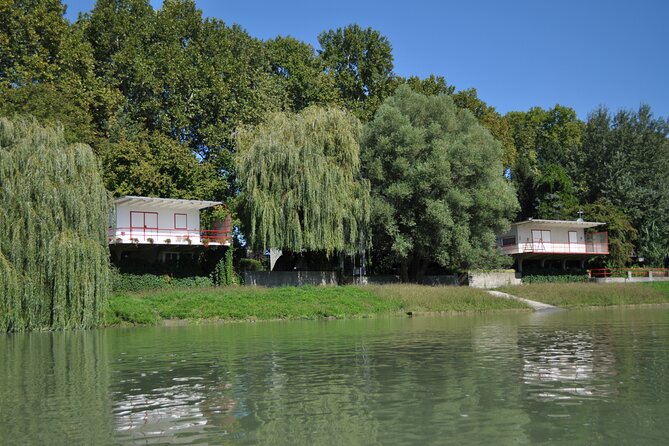
The return trip is where this experience earns its “beginner-friendly” label. You start upstream, then the easy part is coming back: downstream. That matters because it reduces fatigue and lets you enjoy rather than survive.
As you float back, you’ll likely notice the river’s mood shifts. Upstream feels like effort. Downstream often feels like observation. You get time to watch the banks, listen to your guide, and take in what the river is doing rather than what you’re doing with the paddle.
This is also the part where a good guide makes a difference. The tour is led by an experienced steersman, and that leadership shows in how smoothly the group moves and how comfortable everyone looks on the water. In one standout review, the guide Robert was praised for being both knowledgeable about the area and focused on making sure everyone felt safe and enjoyed the activity.
If you’re booking with mixed comfort levels in your group, this downstream structure helps. People who get tired early still get a positive ending, not a slog.





Price and Value: Is $72.25 Actually Fair?
At $72.25 per person for about 4.5 hours, this isn’t a throwaway activity. The value comes from what’s included in the experience package, not just the fact that you’re on a canoe.
Here’s what your money is paying for, based on the tour details:
- Canoes, paddles, and lifejackets (you’re not renting just gear and hoping for instruction)
- A safety briefing plus basic canoeing instruction
- A guided paddle that includes stops, explanations, and (when conditions allow) extra exploration
There’s also a private tour/activity format, meaning only your group participates. That usually adds value if you like a more personal pace and clearer guidance. It’s also offered in English, and you get a mobile ticket, which makes it easier to manage day-of logistics.
If you’re comparing options, I’d treat this price as a “guided equipment + instruction + river time” deal. If you want a structured, low-stress way to see a quieter side of Budapest from the water, that’s where the cost starts to look reasonable.
Weather, Water Levels, and What to Expect on the Day
This experience requires good weather. That’s not just a fine-print detail—it affects whether you’ll actually get your paddle day. If it’s canceled due to poor weather, you’ll be offered a different date or a full refund.
Water level also influences what you explore. Depending on conditions, you might visit a deserted island or a hidden branch of the river. That means the tour isn’t a one-size-fits-all checklist. It’s a guided river experience shaped by the river itself.
For you, the practical takeaway is this: check the weather close to departure and don’t treat this as an activity you can lock in your schedule with zero flexibility. If you’re staying in Budapest and can adapt, canoeing like this can be a great use of a half day.
Who Should Book This Canoe Trip (and Who Might Skip It)
This is a good fit if you want:
- Nature time without leaving Budapest
- A beginner-friendly activity that includes instruction and safety gear
- A guided experience that adds context about the floodplain and riverside environment
- A calmer way to experience the Danube than walking long distances or touring by bus
It’s also suitable for people with at least moderate physical fitness. If you know you can manage a steady block of light effort and being outdoors, you’ll likely be fine.
You might reconsider if you have serious mobility limits or you’re looking for a purely scenic experience with no paddling effort. This is canoeing—you’ll be doing the work. The downstream return helps, but it’s still 4.5 hours on the water.
Meeting Point Tips: Making Kalászi u. 41 Easy
You’ll start and end at Kalászi u. 41, 1031 Hungary. The tour is listed as being near public transportation, which is a relief in Budapest where door-to-door travel can get tricky.
Two simple planning moves:
- Aim to arrive a bit early so the safety briefing and setup don’t feel rushed.
- Wear something comfortable for being outdoors and moving with the paddle.
Since lifejackets are provided, you don’t need to bring your own safety gear. Just plan like you’ll be in the water-facing part of the day, even if you don’t end up getting soaked.
Should You Book the Budapest North Canoe Trip?
I’d book this if you want a real, hands-on way to see the Danube from inside Budapest, not just from bridges. The combination of safety-first coaching, a guided route to a small island break, and the return downstream structure makes it one of those activities that tends to land well for beginners.
If you like having a guide explain what you’re seeing—wildlife along the riverbank, floodplain architecture, and the way the river shapes the area—this is also a strong match. And if you get the guide Robert, based on reviews, that’s a bonus: his mix of safety focus and local knowledge is specifically praised.
If you hate any physical effort at all, skip it. Otherwise, this is a smart, good-value way to spend half a day and come away with a different Budapest memory—one where you were actually paddling through it.
FAQ
Where is the meeting point for the Budapest North Canoe Trip?
You’ll meet in Budapest at Kalászi u. 41, 1031 Hungary, and the activity ends back at the same meeting point.
How long is the canoe trip?
The duration is about 4 hours 30 minutes (approx.).
Is the tour suitable for beginners?
Yes. The trip includes a brief instruction on safety and the basics of canoeing, and it’s described as suitable for beginners.
What safety equipment is provided?
You use canoes, paddles, and lifejackets as part of the experience, and there is a safety instruction before you paddle.
Is this a private tour?
Yes. This is listed as a private tour/activity, so only your group will participate.
What language is the tour offered in?
The tour is offered in English.
What is the cancellation policy?
You can cancel for a full refund up to 24 hours in advance of the experience start time. If it’s canceled due to poor weather, you’ll be offered a different date or a full refund.
When will I receive confirmation after booking?
You should receive confirmation within 48 hours of booking, subject to availability.