REVIEW · BUDAPEST
Hike to Spiritual Sites Near Budapest
Book on GetYourGuide →Operated by EvezzVelem · Bookable on GetYourGuide
Seven hours, and your beliefs walk with you.
This day trip pairs Pilis National Park with sacred stops that mix Christianity, older Hungarian traditions, and today’s esoteric interpretations. I like the way the new Church of Pilis turns history into wood-carved scenes, then sends you outside for big views and the pilgrimage Way of Mary.
The main drawback is the physical side: you’ll do a total hike of about 8 km on uneven ground (around 250 m elevation gain), so muddy days can feel slick. Comfortable shoes aren’t optional here.
In This Review
- Key Highlights to Know Before You Go
- Getting Out of Budapest: The Easy Part of a Busy Day
- Startrail Walk to the Church of Pilis: Sacred History in Wood
- The Religious Mix: Christianity, Shaman Traditions, and Esoteric Threads
- Pilis Views and the Roger Viewpoint: Where the Day Gets Physical
- Way of Mary to the Statue: Pilgrimage Steps in Real Time
- The Stones of Love and Heart of Earth: What You Should Expect (and What You Should Not)
- Lunch Stop: Eat Like Locals, Not Like a Tourist
- Sauna After the Hike: A Nice Wind-Down Idea
- Fitness, Weather, and Shoes: The Part That Determines Your Mood
- Value for Money: Why This $139 Day Trip Can Be a Good Deal
- Who This Tour Fits Best
- Should You Book This Pilis Spiritual Hike?
- FAQ
- How long is the tour?
- Where can I be picked up?
- Is the tour guided, and what language is it in?
- What’s included in the price?
- Are meals included?
- How much hiking is there?
- What fitness level is required?
- Is the tour suitable for wheelchair users or strollers?
- What should I bring?
Key Highlights to Know Before You Go
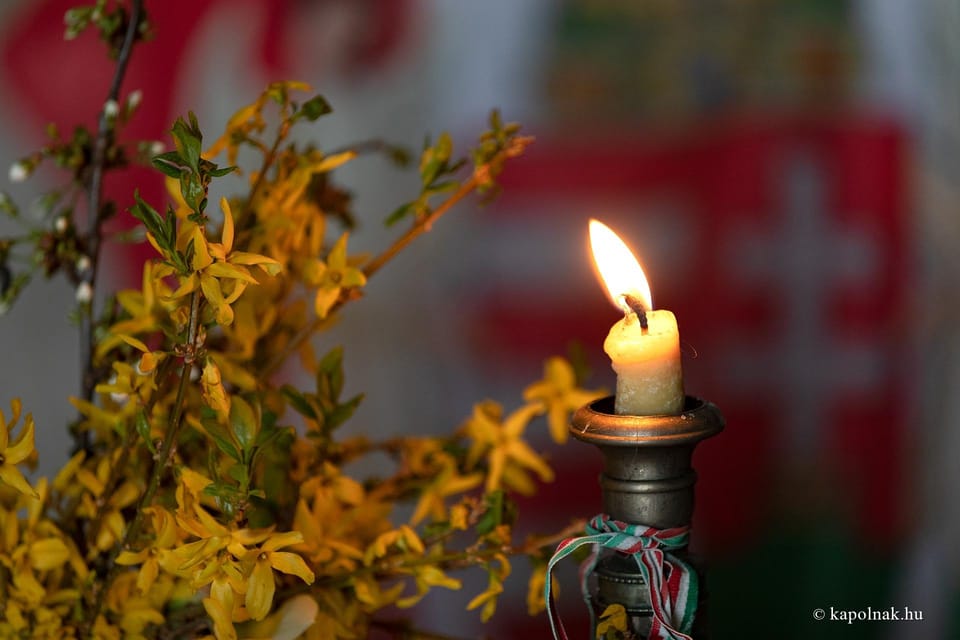
- Startrail to the Church of Pilis: a walking path shaped like stations of the cross, with Hungarian history figures carved into wood
- Hungary in one day: language, religion shifts, and the Paulians monastic order (all explained on the move)
- Roger viewpoint: one of the area’s best lookouts, with 20–40 km views on clear weather
- Way of Mary route: a pilgrimage walk from the magical valley area to Mary’s statue
- Stones of Love + Heart of Earth (Beating Rock): an alleged energy site that draws both Christian and esoteric visitors
- Real-world down time: a local restaurant lunch stop after the hike, plus the tour concept includes an elegant sauna afterward
Getting Out of Budapest: The Easy Part of a Busy Day
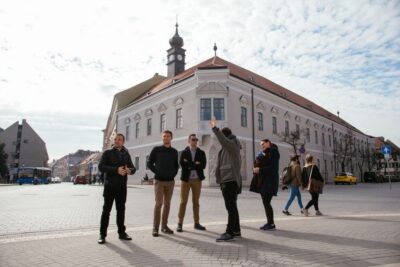
This is a full day that starts with pickup and ends with you back in roughly 50–60 minutes from the last drive segment. You get two pickup options: Budapest or Szentendre, and you’re in a car (parking is tight, so you meet the guide where you can actually park).
The rhythm matters: you’re not doing one long, exhausting stretch all at once. You’ll mix walking (first a guided walk), then hiking after a drive to the mountain sites, then food and relaxation on the way back.
You can also read our reviews of more hiking tours in Budapest
Startrail Walk to the Church of Pilis: Sacred History in Wood
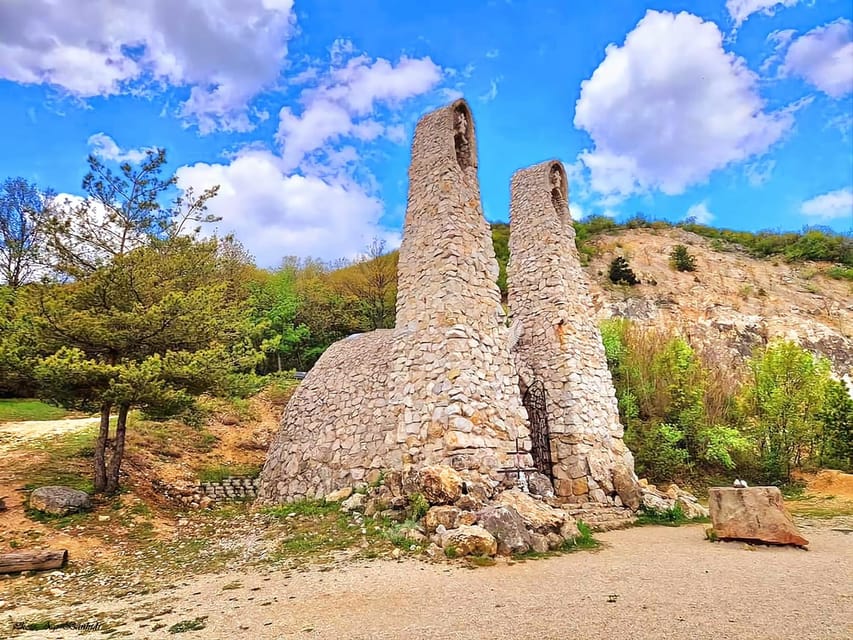
Your first big experience is the guided walk to the Church of Pilis for the Blessed Virgin Mary. The route is called Startrail, and the vibe is pilgrimage-style without being museum-still. Think stations-of-the-cross energy, but instead of only telling the story of Christ’s final way, it uses wood carvings of major Hungarian historical figures.
What I like about this is how it turns questions into walking. Along the path, you’re nudged to think about origins and identity—why the church was built here, who Hungarians are connected to, and how Hungary arrived to today’s map. You’ll also hear talk about runic scripts and the Hungarian language, including theories about origins and why it’s so different from other European languages.
You should know the church itself is newly built, which changes the feel. Instead of old stone dust and centuries of wear, you’re meeting a carefully created modern sacred space. That can be a plus if you like sites that still feel alive and intentional.
The Religious Mix: Christianity, Shaman Traditions, and Esoteric Threads
This program is honest about the blend: it treats nearby sacred sites as a place where native shamanism, Christianity, and Hinduism-shaped esoteric teachings intersect. You’re not expected to pick a single belief system. The guide’s role is to explain how people combine spiritual ideas in practice today.
And the stop list doesn’t stay on one idea. You’ll hear about how religion in Hungary shifted over time—mentions include Catholicism, Protestantism, communism, and esotericism. It’s delivered as historical change and cultural behavior, not as a lecture you have to memorize.
Two religious-history topics you’ll hear about are:
- The Paulians: described as the only Hungarian monastic order, founded by Ozseb about 800 years ago, connected to hermits in this region and still active today
- The Holy Crown of Hungary: you’re led through the big question of where it is now
Even if you’re not religious, I think this is compelling. Sacred sites are often less about perfect answers and more about how communities remember themselves.
Pilis Views and the Roger Viewpoint: Where the Day Gets Physical
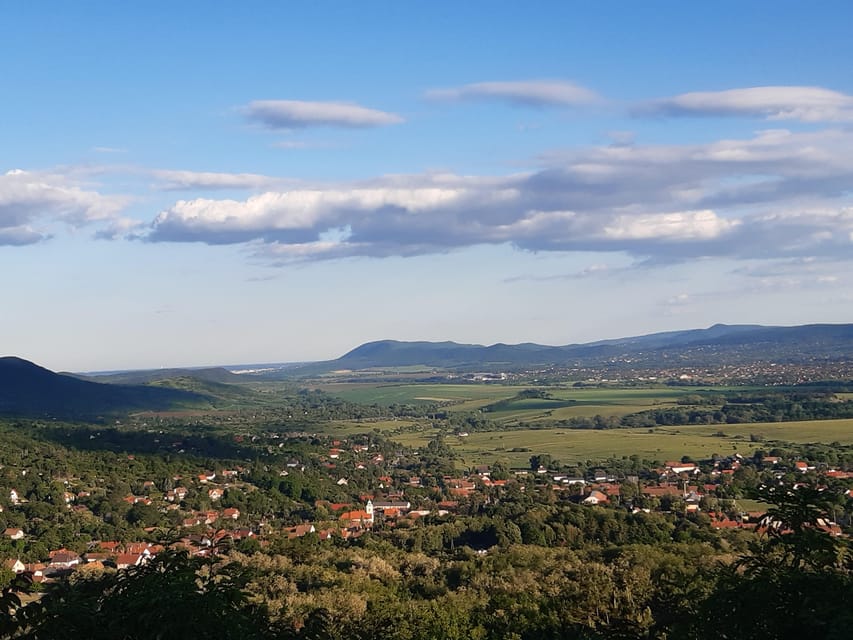
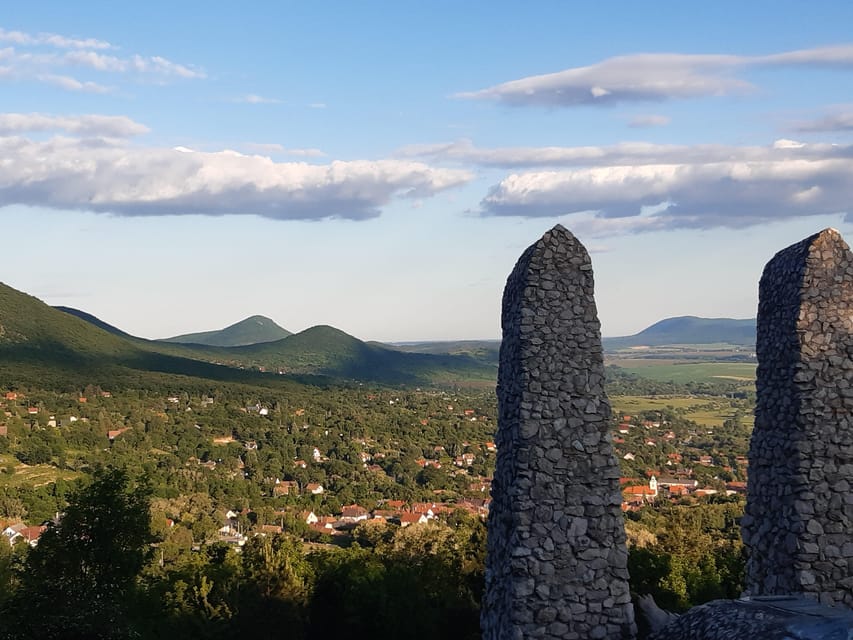
After the Church of Pilis stretch, you’ll return toward the car area—only about 1.5 km back and forth—then drive into the mountains for the harder leg of the day. This part is why Pilis works as a Budapest day trip: nature is close enough to be easy to reach, but the views feel like you’ve gone far.
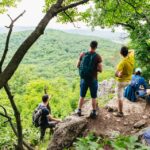
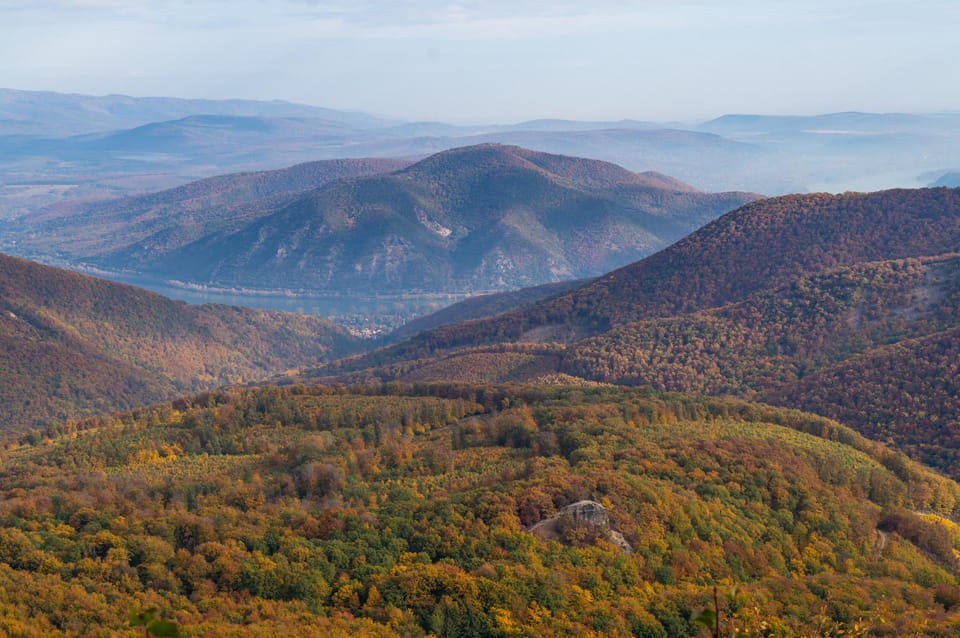
First up is the Roger viewpoint. On clear days, it can let you see roughly 20–40 km away. That’s the kind of range that turns the hike from a chore into a reward. Even on hazier days, the act of climbing up and then looking out tends to reset your whole perspective.
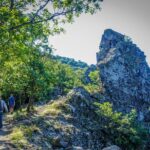
Expect a guided walk that turns the landscape into a map: you’re moving through the valley area and heading toward the pilgrimage route.
Way of Mary to the Statue: Pilgrimage Steps in Real Time
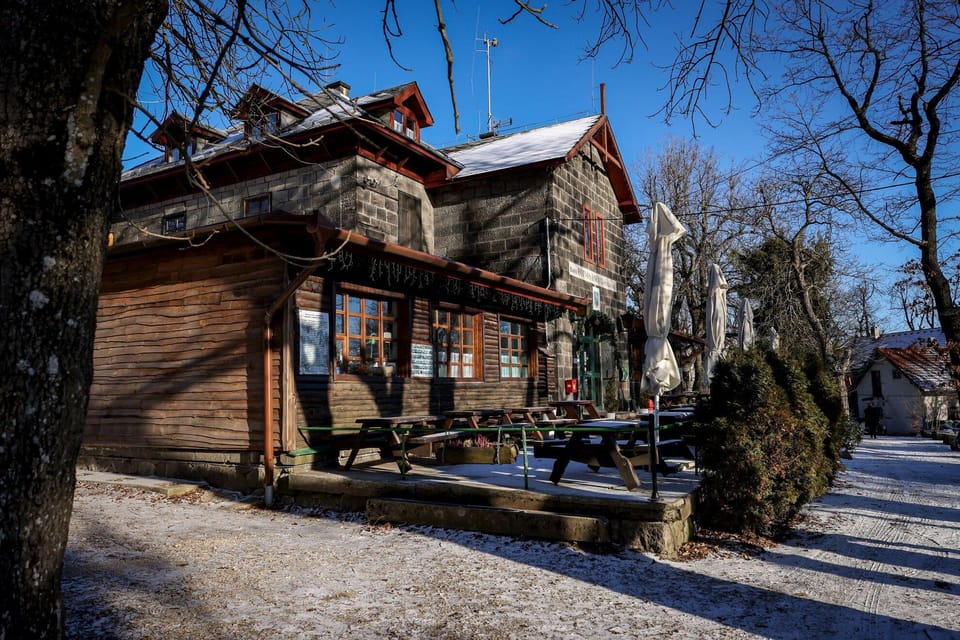
Then comes the pilgrimage route: the Way of Mary leading to her statue. This isn’t just walking for exercise; it’s walking as story. You move along a path that’s framed as devotion, so the stops feel different than typical sightseeing pull-offs.
From here, the route continues toward several symbolic points:
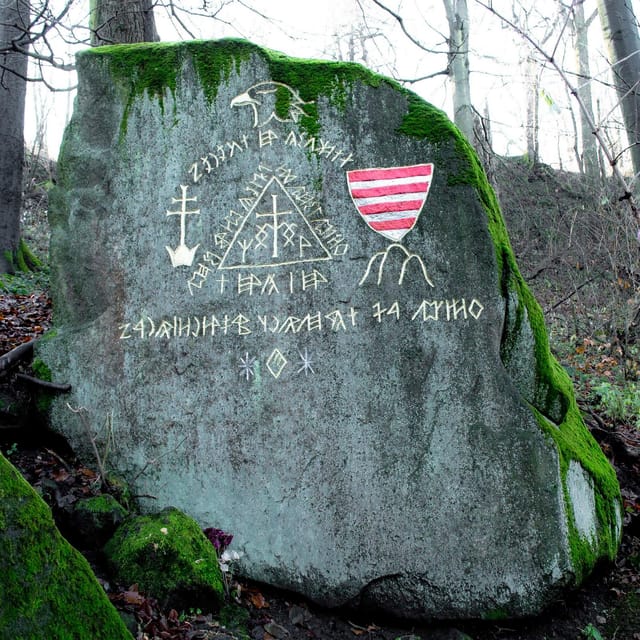
- a stone with runic writing
- then downhill toward the Rock of Love
- and onward to the Heart of Earth site (the name translates roughly to Beating Rock)
These places are described as having a special vibe—and importantly, they’re not only religious. The area has become a pilgrimage spot for esoterics and Christians alike, with samanic drum sessions sometimes happening nearby.
Let’s be practical: you don’t need to know the spiritual background to appreciate what you’ll experience. You just need to show up with the right mindset—quiet attention, respect for other people’s rituals, and patience when the mood is more reflective than chatty.






The Stones of Love and Heart of Earth: What You Should Expect (and What You Should Not)
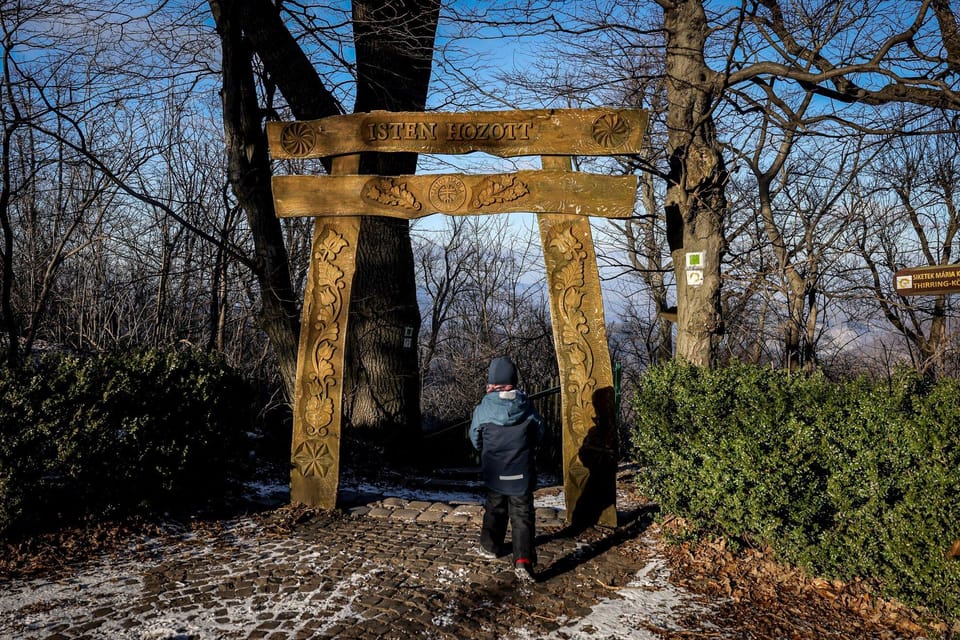
Here’s the honest way to approach the alleged energy sites. The Heart of Earth and Stones of Love are presented as spiritual landmarks with claims attached—especially around chakras and earth-energy ideas. But the tour is framed as observation plus explanation, not as proof.
So I’d treat these stops like this:
- Take in the setting and the symbolism
- Notice how people interact with the space
- Let the guide explain the layers of tradition behind the names
- Decide for yourself what feels meaningful
The emotional effect is often strongest when you combine the mind with the body. You’ll reach these stones after hiking, with muddy shoes or wind in your face depending on the day. That physical effort can make the spiritual stops feel more personal—whether you’re spiritual, skeptical, or just curious.
Lunch Stop: Eat Like Locals, Not Like a Tourist
You get time for lunch at a local restaurant. Meals and drinks aren’t included, but the visit is part of the program. This is a real value point: you’re not stuck hunting down food at the exact moment hunger hits.
On the menu, you should look for classic Hungarian comfort food like goulash. In this area, goulash tends to be the default choice for a reason: it’s hearty after a hike, filling without being fussy, and easy to eat when you’re tired.
If the weather turns wet (and Pilis can), lunch becomes more than a meal. It’s your reset button.
Sauna After the Hike: A Nice Wind-Down Idea
The tour highlights mention an elegant sauna after the outdoor fun. The data you have here doesn’t spell out how long it lasts or whether it’s included, so treat it as a bonus concept to ask about on your booking.
Either way, the idea fits the day. When you walk in the mud, climb for views, and then cool down, a warm recovery option can make the whole experience feel smoother on your body—and more satisfying in your head.
Fitness, Weather, and Shoes: The Part That Determines Your Mood
This is the section I’d take seriously if I were you. The total hike is about 8 km with roughly 250 m elevation gain, and you’ll be moving on uneven terrain. Some parts run downhill first, then back uphill, so your legs will feel it.
The tour is not recommended for:
- children under 7
- pregnant women
- wheelchair users
- people over 287 lbs (130 kg)
- anyone with low fitness
Also plan for real weather. On a rainy day, expect mud and slippery patches. Even with good trail shoes, you’ll feel the ground underfoot, so wear footwear you trust and bring water and snacks so you don’t scramble when you’re hungry.
A few small practical notes that can save you hassle:
- Bring clothes that can get dirty
- Bring a camera if you like views
- Don’t show up with a stroller; it’s not allowed
- The route includes rules like no touching plants and no speakers, so keep your gear quiet
Value for Money: Why This $139 Day Trip Can Be a Good Deal
At $139 per person for a 7-hour day, you’re paying for three things that add up fast when you’re traveling alone:
1) Transport out of Budapest to Pilis sites you’d struggle to string together efficiently
2) A guide to connect the spiritual stops to Hungarian language, religion shifts, and history questions
3) A structured day where lunch is built in as an on-the-ground local experience
It’s not a bargain if you only want exercise or only want one church and a photo. But it’s good value if you want a day that blends nature + meaning + local culture.
Also, the option of a private group helps. Even solo, you might get a more personal pacing, and that matters when you’re asking questions on uneven paths.
Who This Tour Fits Best
This is ideal if you:
- want a Budapest day trip that feels like more than sightseeing
- like walking through places with layered meaning
- enjoy history discussions tied to real locations
- are comfortable with a hike that’s not extreme, but is definitely active
If you’re looking for a fully accessible, flat stroll, you’ll be frustrated. If you’re sensitive to slippery ground, you should consider weather timing and extra caution.
If you want a simple spiritual-nature outing with no talking, this might be too structured. But if you like explanations and conversation, that’s where the day clicks.
Should You Book This Pilis Spiritual Hike?
I’d book it if you want a day that mixes Pilis National Park with sacred story stops, and you’re open to the spiritual blend being part of the experience. It’s the kind of tour where the walking path, the wood-carved history figures, the Roger viewpoint, and the Heart of Earth site all connect into one overall arc.
I’d think twice if you’re not comfortable with uneven terrain, heavy mud days, or a total hike around 8 km. Also, if you’re traveling with young kids or need full mobility access, this isn’t the right format based on the rules.
FAQ
How long is the tour?
The tour duration is listed as 7 hours.
Where can I be picked up?
Pickup options include Budapest and Szentendre.
Is the tour guided, and what language is it in?
Yes, you’ll have a live guide, and the tour is offered in English.
What’s included in the price?
Included items are a guided tour, transportation by car, entrance to the Church of Pilis, visits to the second-highest peak area, and a visit to a local restaurant.
Are meals included?
Meals and drinks are not included. You can purchase lunch at the local restaurant during the tour.
How much hiking is there?
The hiking portion is described as about 8 km total, with around 250 m elevation change.
What fitness level is required?
The tour is noted as not suitable for people with a low level of fitness, and it involves uneven terrain.
Is the tour suitable for wheelchair users or strollers?
No. Wheelchair users are not suitable, and baby strollers are not allowed.
What should I bring?
Bring comfortable walking shoes, weather-appropriate clothing, water, snacks, and anything you need for outdoor conditions. A camera is recommended for views.